Opioid MIniseries Part IV: Harm Reduction

Opioid MIniseries Part IV: Harm Reduction

PRACTICE RECOMMENDATIONS

1. Patients who abuse opioids should be managed without judgement; addiction is a medical condition and not a moral failing. Caregivers should endeavor to meet patients "where they are," infusing empathy and understanding into the patient/medical provider relationship.

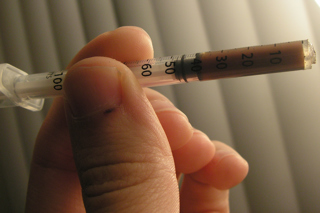
2. Every emergency clinician should be well-versed in the safe injection of heroin and other intravenous (IV) drugs, and understand the practical steps for minimizing the dangers of overdose, infection, and other complications. When treating patients with complications of IV drug use, injection habits should be discussed and instruction should be given about safe practices.

3. Emergency department patients who inject drugs should be referred to local syringe access programs, where they can obtain sterile injection materials and support services such as counseling, HIV/hepatitis testing, and referrals.

4. Emergency departments should provide naloxone to high-risk patients at discharge. If the drug is unavailable at the time of release, patients should receive a prescription and be informed about the over-the-counter availability of the drug in most Colorado pharmacies.

5. Emergency clinicians should be familiar with Colorado's regulations pertaining to naloxone. State laws eliminate liability risk for prescribing the drug, encourage good samaritan reporting of overdose, and make naloxone legal and readily available over the counter in most pharmacies.

6. Emergency department patients who receive prescriptions for opioids should be educated on their risks, safe storage methods, and the proper disposal of leftover medications.

POLICY RECOMMENDATIONS

1. Harm reduction agencies and community programs that provide resources for people who inject drugs (PWID) should be made readily available.

2. When local programs are unavailable for PWID, emergency departments should establish their own programs to provide services such as safe syringe exchanges.

Jaksot(1145)

Podcast # 438 : tPA for Frostbite

Podcast # 438 : tPA for Frostbite

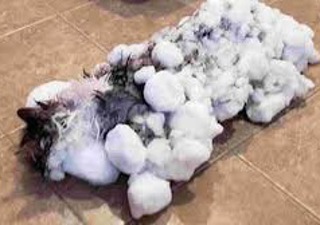
Author: Aaron Lessen, MD Educational Pearls: Several studies have shown administration of tPA can improve outcomes and reduce need for amputation tPA is considered in grade III and IV frostbite tPA...

22 Helmi 20192min

Podcast # 437 : Myasthenia Gravis

Podcast # 437 : Myasthenia Gravis

Podcast # 437 : Myasthenia Gravis Author: Gretchen Hinson, MD Educational Pearls: Myasthenia gravis (MG) is an antibody mediated autoimmune disorder against the acetylcholine receptors at the neuromu...

20 Helmi 20197min

Podcast # 436 : Epinephrine Autoinjectors

Podcast # 436 : Epinephrine Autoinjectors

Author: Charleen Gnisci, PharmD Educational Pearls: Between 2011 to 2016, Mylan increased EpiPen prices by 400% ($700 for 2 packs) AUVI-Q was recalled in 2012, which left the market share to the Ep...

18 Helmi 20192min

Podcast # 435 : UCL Injury

Podcast # 435 : UCL Injury

Author: Ryan Circh, MD Educational Pearls: Ulnar collateral ligament injury is often called gamekeeper's thumb or skier's thumb Can results from traumatic deviating the thumb radially (abduction) Poo...

15 Helmi 20192min
Podcast # 434 : TIA

Podcast # 434 : TIA

Author: Peter Bakes, MD Educational Pearl: Transient ischemic attack (TIA) is defined as neurologic symptoms that resolve in 24 hours with no new changes on head imaging Mimics include complex migr...

13 Helmi 20195min

Podcast # 433: Geriatric Ketamine

Podcast # 433: Geriatric Ketamine

Author: Michael Hunt, MD Educational Pearls: Recent study compared ketamine to morphine in elderly patient Ketamine (IV dose 0.3 mg /kg) provided equivalent pain control to morphine (IV dose 0.1 mg ...

9 Helmi 20192min
Podcast # 432: Hunting for UTIs

Podcast # 432: Hunting for UTIs

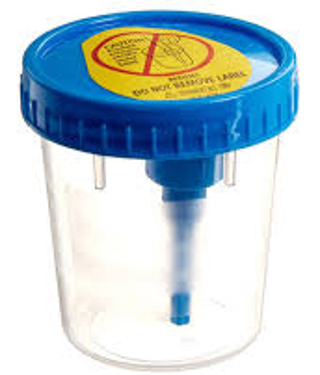
Author: Michael Hunt, MD Educational Pearls: As many as 20% of women in assisted living have asymptomatic bacteriuria This can present a diagnostic conundrum when seeing these patients in the emergen...

7 Helmi 20193min

Podcast # 431: Medication Errors

Podcast # 431: Medication Errors

Author: Rachel Brady, MD Educational Pearls: Medication errors are estimated to be the 3rd leading cause of death A 2016 study estimated 250,000 errors occur per year, with 7000-9000 leading to death...

4 Helmi 20193min

Suosittua kategoriassa Tiede

tiedekulma-podcast
rss-mita-tulisi-tietaa
rss-poliisin-mieli
rss-duodecim-lehti
docemilia
utelias-mieli
filocast-filosofian-perusteet
rss-ammamafia
rss-astetta-parempi-elama-podcast
rss-luontopodi-samuel-glassar-tutkii-luonnon-ihmeita
rss-sosiopodi
rss-tiedetta-vai-tarinaa












