Podcast #315: Retropharyngeal Infections in Pediatrics

Podcast #315: Retropharyngeal Infections in Pediatrics

Author: Dr. Karen Woolf, MD

Educational Pearls:

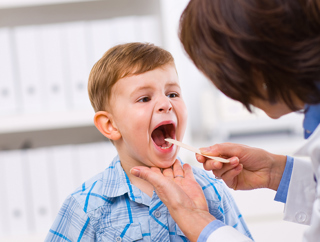
  • Anatomy : base of skull to posterior mediastinum, anteriorly bounded by middle layer of deep cervical fascia and posteriorly by the deep layer, communicates to lateral pharyngeal space bounded by carotid sheath. Lymph node chains draining nasopharynx, sinuses, middle ear, etc. run through it.
  • Epidemiology & Microbiology: most common kids 2-4, (neonates too). Polymicrobial (GAS, MSSA, MRSA, respiratory anaerobes).
  • Signs and symptoms can include pharyngitis, dysphagia, odynophagia, drooling, torticollis, muffled voice, respiratory distress, stridor, neck swelling, and trismus.
  • Exam may show drooling, posterior pharyngeal swelling, anterior cervical LAD, or a neck mass.
  • Imaging: Get CT neck w/IV contrast!
  • DDx: epiglottis, croup, bacterial tracheitis, peritonsillar abscess, trauma, foreign body, angioedema, cystic hygroma, meningitis, osteomyelitis, tetanus toxin.
  • Tx: Unasyn, if not responding add Vancomycin or Linezolid; surgical drainage if airway is compromised.
  • Complications: airway obstruction, sepsis, aspiration pneumonia, IJ thrombosis, carotid artery rupture, mediastinitis.

References:

Craig FW, Schunk JE. Retropharyngeal abscess in children: clinical presentation, utility of imaging, and current management. Pediatrics 2003; 111:1394.

Fleisher GR. Infectious disease emergencies. In: Textbook of Pediatric Emergency Medicine, 5th ed, Fleisher GR, Ludwig S, Henretig FM (Eds), Lippincott Williams & Wilkins, Philadelphia 2006. p.783.

Goldstein NA, Hammersclag MR. Peritonsillar, retropharyngeal, and parapharyngeal abscesses. In: Textbook of Pediatric Infectious Diseases, 6th ed, Feigin RD, Cherry JD, Demmler-Harrison GJ, Kaplan SL (Eds), Saunders, Philadelphia 2009. P.177

Jaksot(1145)

Podcast #285: C Diff

Podcast #285: C Diff

Author: Aaron Lessen, M.D. Educational Pearls While C. difficile infections are generally thought of as nosocomial, there is a subset of patients who acquire the infection in the community. One rece...

1 Tammi 20182min

Podcast #284: Plane Emergencies

Podcast #284: Plane Emergencies

Author: Erik Verzemneicks, M.D. Educational Pearls 1/600 flights has an on-board request for medical assistance. Most common complaints on board include: syncope, respiratory complaints, and GI compl...

29 Joulu 20173min

Podcast #283: Snow Blindness

Podcast #283: Snow Blindness

Author: John Winkler, M.D. Educational Pearls Photokeratitis is a UV burn of the sclera and cornea, which can cause blindness. UV light causes eyelid swelling with diffuse scarring of the eye (wides...

27 Joulu 20173min
Podcast #282: EKG Changes in DKA

Podcast #282: EKG Changes in DKA

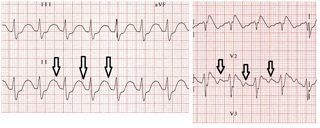
Author: Dave Rosenberg, M.D. Educational Pearls EKG changes that can be seen in DKA include ST elevation and peaked T-waves secondary to derangements in K levels. In DKA, serum K is high, but total ...

25 Joulu 20173min

Deep Dive #8: Wintertime Wilderness Medicine

Deep Dive #8: Wintertime Wilderness Medicine

Author: John Winkler, M.D. Dr. Winkler shares his knowledge of wilderness medicine and provides insight on how to prevent and treat conditions such as hypothermia, frostbite and sun blindness. More im...

18 Joulu 201729min
Podcast #281: Intracranial Hemorrhage Treatment

Podcast #281: Intracranial Hemorrhage Treatment

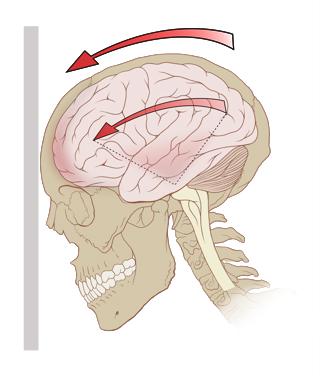
Podcast #281: Intracranial Hemorrhage Treatment Author: Don Stader, M.D. Educational Pearls Types of traumatic bleeds include subdural, epidural, and subarachnoid. Treatment for a traumatic bleed inc...

15 Joulu 20172min

Podcast #280: Isolated Aphasia in Stroke

Podcast #280: Isolated Aphasia in Stroke

Author: Aaron Lessen, M.D. Educational Pearls Patients with an ischemic stroke from occlusion of the left middle cerebral artery often present with aphasia in addition to other neurological deficits....

11 Joulu 20171min
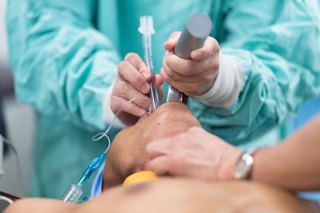
Podcast #279: Sedation After Intubation

Podcast #279: Sedation After Intubation

Author: Aaron Lessen, M.D. Educational Pearls Post-intubation care should always include pain control and adequate sedation. Commonly used sedation agents include propofol, ketamine and versed. Howev...

8 Joulu 20171min

Suosittua kategoriassa Tiede

tiedekulma-podcast
rss-mita-tulisi-tietaa
rss-poliisin-mieli
rss-duodecim-lehti
docemilia
radio-antro
filocast-filosofian-perusteet
rss-ammamafia
rss-luontopodi-samuel-glassar-tutkii-luonnon-ihmeita
rss-sosiopodi
utelias-mieli
rss-astetta-parempi-elama-podcast
rss-tiedetta-vai-tarinaa