

Podcast #315: Retropharyngeal Infections in Pediatrics

Podcast #315: Retropharyngeal Infections in Pediatrics

Author: Dr. Karen Woolf, MD

Educational Pearls:

  • Anatomy : base of skull to posterior mediastinum, anteriorly bounded by middle layer of deep cervical fascia and posteriorly by the deep layer, communicates to lateral pharyngeal space bounded by carotid sheath. Lymph node chains draining nasopharynx, sinuses, middle ear, etc. run through it.
  • Epidemiology & Microbiology: most common kids 2-4, (neonates too). Polymicrobial (GAS, MSSA, MRSA, respiratory anaerobes).
  • Signs and symptoms can include pharyngitis, dysphagia, odynophagia, drooling, torticollis, muffled voice, respiratory distress, stridor, neck swelling, and trismus.
  • Exam may show drooling, posterior pharyngeal swelling, anterior cervical LAD, or a neck mass.
  • Imaging: Get CT neck w/IV contrast!
  • DDx: epiglottis, croup, bacterial tracheitis, peritonsillar abscess, trauma, foreign body, angioedema, cystic hygroma, meningitis, osteomyelitis, tetanus toxin.
  • Tx: Unasyn, if not responding add Vancomycin or Linezolid; surgical drainage if airway is compromised.
  • Complications: airway obstruction, sepsis, aspiration pneumonia, IJ thrombosis, carotid artery rupture, mediastinitis.

References:

Craig FW, Schunk JE. Retropharyngeal abscess in children: clinical presentation, utility of imaging, and current management. Pediatrics 2003; 111:1394.

Fleisher GR. Infectious disease emergencies. In: Textbook of Pediatric Emergency Medicine, 5th ed, Fleisher GR, Ludwig S, Henretig FM (Eds), Lippincott Williams & Wilkins, Philadelphia 2006. p.783.

Goldstein NA, Hammersclag MR. Peritonsillar, retropharyngeal, and parapharyngeal abscesses. In: Textbook of Pediatric Infectious Diseases, 6th ed, Feigin RD, Cherry JD, Demmler-Harrison GJ, Kaplan SL (Eds), Saunders, Philadelphia 2009. P.177

Jaksot(1145)

Podcast #248: Family Presence During Resuscitation

Podcast #248: Family Presence During Resuscitation

Author: Aaron Lessen, M.D. Educational Pearls Traditionally the family is removed from the room during procedures and codes, but recent research shows that family presence may be beneficial. 50% pati...

8 Syys 20173min
Podcast #249: D-Dimer

Podcast #249: D-Dimer

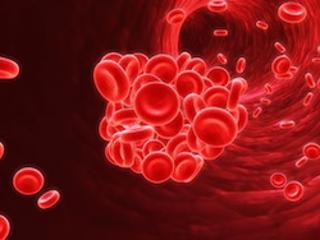
Author: Michael Hunt, M.D. Educational Pearls In the recent YEARS study, investigators checked every patient with suspicion for PE with a D-dimer, using a modified Wells score for risk stratification...

6 Syys 20173min
Podcast #248: Patent Foramen Ovale

Podcast #248: Patent Foramen Ovale

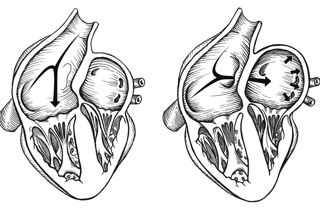
Author: Jared Scott, M.D. Educational Pearls The foramen ovale (FO) connects the left and right atria to allow oxygenated blood to bypass the developing lungs, it usually closes at birth but for some...

4 Syys 20173min

Podcast #247: Are You Listening? - 3 Ear Emergencies You Can't Miss!

Podcast #247: Are You Listening? - 3 Ear Emergencies You Can't Miss!

Author: Don Stader, M.D. Educational Pearls Ear pain is a common complaint in adults and kids. A red, hot, painful ear with involvement of the pinna could indicate perichondritis - an infection of th...

2 Syys 20176min

Podcast #246: Fever in Sepsis

Podcast #246: Fever in Sepsis

Author: Nick Hatch, M.D. Educational Pearls A recent observational cohort study found that the biggest predictor for sepsis survival was fever. Those with higher fevers had better outcomes. Some poss...

31 Elo 20172min
Podcast #245: Hypoglycemia

Podcast #245: Hypoglycemia

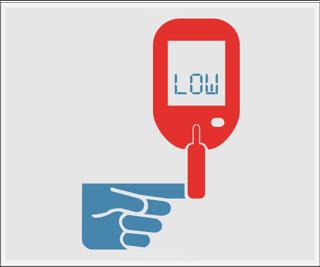
Author: Dylan Luyten, M.D. Educational Pearls Hypoglycemia is very common in type 2 diabetics, and is often caused by insulin overdose or missed meals. Knowing the peak time of action for common diab...

29 Elo 20174min
Podcast #244: Clavicle Fracture Review

Podcast #244: Clavicle Fracture Review

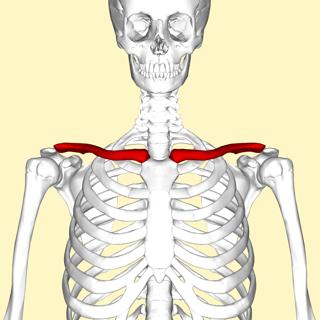
Author: Nick Hatch, M.D. Educational Pearls The force required to break a clavicle is significant, so clavicle fracture may be associated with other injury (pneumothorax, vascular injury). Most fract...

27 Elo 20172min
Podcast #243: Sphenopalatine Nerve Block

Podcast #243: Sphenopalatine Nerve Block

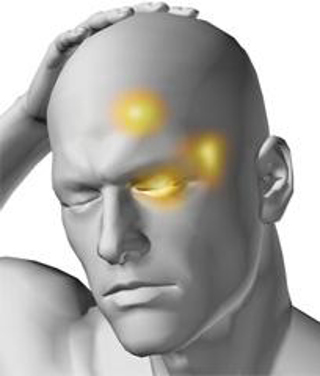
Author: Don Stader, M.D. Educational Pearls Cluster headaches are usually intense, unilateral, and involve the periorbital area. CN V (Trigeminal) provides sensory and autonomic innervation the face...

25 Elo 20174min

Suosittua kategoriassa Tiede

tiedekulma-podcast
rss-mita-tulisi-tietaa
rss-poliisin-mieli
docemilia
rss-duodecim-lehti
rss-sosiopodi
radio-antro
filocast-filosofian-perusteet
rss-ammamafia
utelias-mieli
mielipaivakirja
rss-bios-podcast
rss-astetta-parempi-elama-podcast
rss-tiedetta-vai-tarinaa
rss-luontopodi-samuel-glassar-tutkii-luonnon-ihmeita