
Podcast #499: Posterior Circulation Ischemia

Podcast #499: Posterior Circulation Ischemia

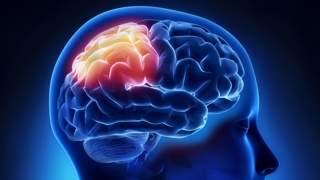
Podcast # 499: Posterior Circulation Strokes

Contributor: Neal O'Connor, MD

Educational Pearls:

  • Dizziness is a very common complaint in the emergency department, but how can we find patients with a dangerous cause of their symptoms, namely a posterior circulation stroke?
  • Consider a posterior circulation stroke in those with an abrupt onset of headache with neck pain, balance problem, blurred vision, or dysphagia
  • Thorough cranial nerve exam can be important to screen for posterior circulation stroke, as much of the brainstem is supplied by the posterior circulation.
  • The most common posterior circulation stroke is a lateral medullary infarct (Wallenberg Syndrome), which produces dysphagia due to cranial nerve IX and XII involvement
  • Other physical exam findings include truncal ataxia, extremity ataxia, visual field cuts, and Horner syndrome (Ptosis, Miosis, Anhidrosis)
  • The HINTS exam (Head Impulse - Nystagmus - Test of Skew)can be used to differentiate between peripheral and central causes of dizziness
  • Concerning exam findings for central cause may include vertical nystagmus, gaze skew, or inability to track with head impulse

References

Áine Merwick, David Werring. Posterior circulation ischaemic stroke. BMJ 2014;348:g3175 doi: 10.1136/bmj.g3175

Kattah JC, Talkad AV, Wang DZ, Hsieh YH, Newman-Toker DE. HINTS to diagnose stroke in the acute vestibular syndrome: three-step bedside oculomotor examination more sensitive than early MRI diffusion-weighted imaging. Stroke. 2009;40(11):3504–3510. doi:10.1161/STROKEAHA.109.551234

Nouh A, Remke J, Ruland S. Ischemic posterior circulation stroke: a review of anatomy, clinical presentations, diagnosis, and current management. Front Neurol. 2014;5:30. Published 2014 Apr 7. doi:10.3389/fneur.2014.00030

From CarePoint PA Academy, 2019

Jaksot(1145)

Episode 951: Pediatric Febrile Seizures

Episode 951: Pediatric Febrile Seizures

Contributor: Taylor Lynch, MD Educational Pearls: Pediatric febrile seizures are defined as seizures that occur between the ages of six months to five years in the presence of a fever greater than o...

7 Huhti 20256min

Episode 950: Ultrasound Pulse Check During Cardiac Arrest

Episode 950: Ultrasound Pulse Check During Cardiac Arrest

Contributor: Aaron Lessen, MD Educational Pearls: Point-of-care ultrasound (POCUS) is used to assess cardiac activity during cardiac arrest and can identify potential reversible causes such as peric...

31 Maalis 20252min

Episode 949: Hoover's Sign

Episode 949: Hoover's Sign

Contributor: Travis Barlock, MD Educational Pearls: What is Hoover's sign used to identify? This physical exam maneuver differentiates between organic vs. functional (previously known as psychogenic...

24 Maalis 20251min

Episode 948: CYP Inducers and Inhibitors

Episode 948: CYP Inducers and Inhibitors

Contributor: Jorge Chalit-Hernandez, OMS3 Educational Pearls: CYP enzymes are responsible for the metabolism of many medications, drugs, and other substances CYP3A4 is responsible for the majorit...

17 Maalis 20253min

Episode 947: Hypercapnia

Episode 947: Hypercapnia

Educational Pearls: Physiologic stimulation of ventilation occurs through changes in levels of: Arterial carbon dioxide (PaCO2) Arterial oxygen (PaO2) Hypercapnia is an elevated level of CO2...

10 Maalis 20253min

Episode 946: Time to Defibrillation

Episode 946: Time to Defibrillation

Contributor: Aaron Lessen, MD Educational Pearls: Quick background info Cardiac arrest is when the heart stops pumping blood for any reason. This is different from a heart attack in which the heart ...

3 Maalis 20252min

Episode 945: Ketorolac vs. Ibuprofen

Episode 945: Ketorolac vs. Ibuprofen

Contributor: Ricky Dhaliwal, MD Educational Pearls:  Ketorolac and ibuprofen are NSAIDs with equivalent efficacy for pain in the emergency department Oral ibuprofen provides the same relief as in...

24 Helmi 20253min

Episode 944: Colchicine Overdose

Episode 944: Colchicine Overdose

Contributor: Aaron Lessen, MD Educational Pearls: Colchicine is most commonly used for the prevention and treatment of gout There is research investigating the anti-inflammatory and cardioprotect...

17 Helmi 20253min

Suosittua kategoriassa Tiede

tiedekulma-podcast
rss-mita-tulisi-tietaa
rss-poliisin-mieli
rss-duodecim-lehti
docemilia
radio-antro
filocast-filosofian-perusteet
rss-ammamafia
rss-luontopodi-samuel-glassar-tutkii-luonnon-ihmeita
rss-sosiopodi
utelias-mieli
rss-astetta-parempi-elama-podcast
rss-tiedetta-vai-tarinaa