Podcast 552: PE Management and Risk Stratification

Podcast 552: PE Management and Risk Stratification

Contributor: Dylan Luyten, MD

Educational Pearls:

  • After you diagnose a pulmonary embolism (PE) via CT or VQ scan, we need to categorize the PE as massive, sub-massive, or just PE to dictate treatment.
  • Massive PE: shock with hypotension due to an embolism, and the treatment of choice is thrombolysis with IV tPA with anticoagulation after lysis. Catheter thrombolysis is not used in the hemodynamically unstable patient but can be done after they are stable.
  • Sub-massive: signs of right heart strain/failure but hemodynamically stable. This can be EKG changes, positive biomarkers, or imaging findings. These patients can be treated with IV heparin as there may benefit from catheter directed thrombolysis which has been shown to lead to better functional outcomes.
  • Everything else can be stratified to determine whether inpatient even outpatient treatment is necessary
  • Pulmonary Embolism Severity Index (PESI) or Hestia criteria and can help determine if the patient is better suited for in or outpatient management.
  • Non massive or sub-massive PEs are treated with heparin/Lovenox bridged to Warfarin, a factor Xa inhibitor (ex. Xarelto), or direct oral anticoagulants (DOAC).

Editor's note: intravenous heparin is preferable to other anticoagulants when considering interventional radiology as it can be shut off and/or reversed if necessary prior to procedure

References

1. Sista, A. et al. Stratification, Imaging, and Management of Acute Massive and Submassive Pulmonary Embolism. 2017 Jul;284(1):5-24

2. Aujesky D, Obrosky DS, Stone RA, Auble TE, Perrier A, Cornuz J, Roy PM, Fine MJ. Derivation and validation of a prognostic model for pulmonary embolism. Am J Respir Crit Care Med. 2005 Oct 15;172(8):1041-6

3. Jimenez, D. et al. Risk stratification of patients with acute symptomatic pulmonary embolism. Intern Emerg Med. 2016 Feb;11(1):11-8.

Summarized by Jackson Roos, MS3 | Edited by Erik Verzemnieks, MD


Jaksot(1146)

Podcast #351: Indications for AICD

Podcast #351: Indications for AICD

Author: Pete Bakes, MD Educational Pearls: AICD: Automated Implantable Cardioverter-Defibrillator. Can be placed for secondary prevention of cardiac arrest (i.e. history of cardiac arrest not fr...

11 Heinä 20184min
Podcast # 350: Pressors and Ischemia

Podcast # 350: Pressors and Ischemia

Author: Nick Hatch, MD. Educational Pearls: A common concern using vasopressors is the risk of digital and mesenteric ischemia. The absolute risk of digital ischemia and/or mesenteric ischemia is...

9 Heinä 20183min
Podcast # 349: Fat Emboli

Podcast # 349: Fat Emboli

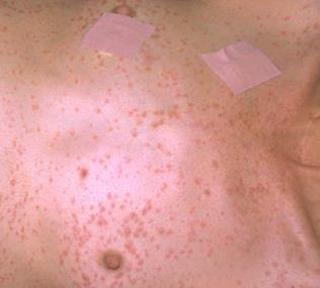
Author: Sue Chilton, MD Educational Pearls: Triad of fat emboli syndrome is a petechial rash, AMS, and respiratory distress. Petechiae usually start in the axilla. 90% of patients with long bon...

4 Heinä 20183min
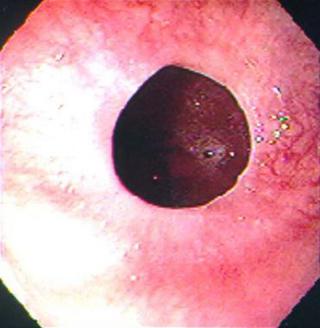
Podcast # 348: Steakhouse Syndrome

Podcast # 348: Steakhouse Syndrome

Author: Don Stader, MD Educational Pearls: Steakhouse syndrome is an impacted esophageal food bolus. Occurs because they have an esophageal stricture (schatzki ring, scarring, esophagitis). Cla...

2 Heinä 20183min
Podcast # 347: Fasting and Procedural Sedation

Podcast # 347: Fasting and Procedural Sedation

Author: Sam Killian, MD Educational Pearls: Recent study examining fasting and adverse events during procedural sedation found no association between fasting duration and any type of adverse event....

29 Kesä 20183min
Podcast # 346: Pediatric DKA

Podcast # 346: Pediatric DKA

Author: Chris Holmes, MD Educational Pearls: There is a risk of cerebral edema in pediatrics with DKA if over resuscitated. Recent study comparing normal saline vs. ½ normal saline showed no diff...

27 Kesä 20184min
Podcast # 345: Epidural Abscess

Podcast # 345: Epidural Abscess

Author: Sue Chilton, MD Educational Pearls: IV drug use and spinal procedures are major risk factors. Classic triad of back pain, focal neurological deficit and fever. However, presence of fever ...

25 Kesä 20184min
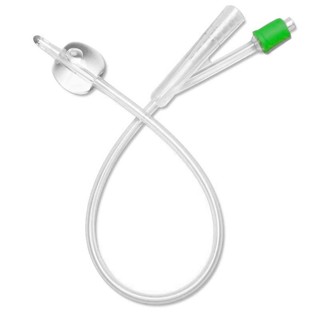
Podcast # 344: Foley troubleshooting

Podcast # 344: Foley troubleshooting

Author: Aaron Lessen, MD. Educational Pearls: When foley is stuck, balloon may not have deflated. Make sure balloon is not in the urethra, which can block drainage. Cut off the port as it may b...

22 Kesä 20183min

Suosittua kategoriassa Tiede

rss-poliisin-mieli
tiedekulma-podcast
rss-mita-tulisi-tietaa
docemilia
rss-luontopodi-samuel-glassar-tutkii-luonnon-ihmeita
rss-duodecim-lehti
utelias-mieli
radio-antro
rss-astetta-parempi-elama-podcast
rss-lapsuuden-rakentajat-podcast
rss-lihavuudesta-podcast
rss-sosiopodi