
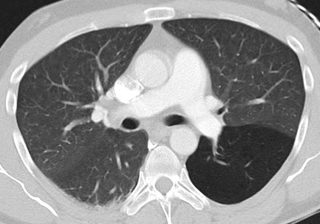
Podcast 553: Airway Management in the Hypoxic COVID-19 Patient (Recorded 4/3/20)

Podcast 553: Airway Management in the Hypoxic COVID-19 Patient (Recorded 4/3/20)

Contributor: Dylan Luyten, MD

Educational pearls:

  • Clinical management of COVID-19 is rapidly evolving, relying on case reports and clinical experience
  • In just a month, the consensus around management of COVID patients with severe hypoxia has shifted from an early intubation strategy to other, non-invasive means
  • Intubating early can quickly consume ventilator resources, require increased intensive care monitoring, and likely leads to longer hospital stays and once COVID patients are intubated, extubation can take days to weeks.
  • In Italy, ventilator supplies were depleted leading to the use of helmet CPAP machines, which appeared to be effective in management of respiratory distress in COVID, though not available for use in the US
  • Non-invasive ventilation such as CPAP/BiPAP is thought to increase risk to staff for infection via aerosolization, and has often been avoided in COVID patients
  • High flow nasal cannulas appear to pose less of a risk of aerosolization of viral particles (especially when a surgical mask is placed over the patient's nose, mouth and apparatus)
  • Anecdotal evidence from NYC has shown success allowing conscious patients to maintain hypoxia on HFN, where they will self prone to help with lung recruitment, and seemingly do well despite persistent saturations in the 80s or less
  • Hospitals around the country are moving away from the intubate early methodology in favor of high flow oxygen therapy as long as they are not having issues with work of breathing or other complications
  • The pathophysiology of respiratory distress and hypoxia in COVID patients is evolving as well, and some presentations appear similar to disease processes such as high altitude pulmonary edema (HAPE) rather than acute respiratory distress syndrome (ARDS), in that patients are quite well appearing despite phenomenally low oximetry readings.
    • These select patients appear to be excellent candidates for non-invasive means rather than an early intubation strategy

Editor's note: do not take lightly that intubation is one of the highest risk aerosolization generating procedures, along with many peri-intubation procedures like suctioning, BVM, etc.

References

[1]. Sorbello, M. et al. The Italian coronavirus disease 2019 outbreak: recommendations from clinical practice. Anaesthesia. 2020 Mar 27.

[2]. Giwa, AL. Desai A. Duca A. Novel 2019 coronavirus SARS-CoV-2 (COVID-19): An updated overview for emergency clinicians. Emerg Med Pract. 2020 May 1;22(5):1-28.

[3]. Ather B, Edemekong PF. Airborne Precautions. [Updated 2020 Feb 17]. In: StatPearls [Internet]. Treasure Island (FL): StatPearls Publishing; 2020 Jan.

Summarized by Jackson Roos, MS3 | Edited by Erik Verzemnieks, MD

Photo Credit: New England Journal of Medicine

https://www.nejm.org/doi/full/10.1056/NEJMc2007589?query=RP

Jaksot(1146)

Podcast #271: Nexus Chest CT Scan Guidelines

Podcast #271: Nexus Chest CT Scan Guidelines

Author: Chris Holmes, M.D. Educational Pearls The nexus chest CT scan rule is based on an 11,000 subject, multicenter study that looked for signs following a trauma that predicted significant finding...

13 Marras 20173min
Podcast #270: Wound Botulism

Podcast #270: Wound Botulism

Author: Don Stader, M.D. Educational Pearls Wound botulism should be considered in patients with cutaneous lesions and neuromuscular weakness. The toxin produced by clostridium botulinum is the c...

10 Marras 20173min

Podcast #269: Tattoo Ink Complications

Podcast #269: Tattoo Ink Complications

Author: Michael Hunt, M.D. Educational Pearls Tattoo ink is applied below the skin, and because of this, they can lead to keloids, granulomas, tetanus, hepatitis B and C, and skin infections. Tattoo...

8 Marras 20174min
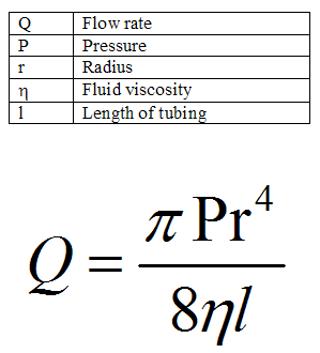
Podcast #268: Poiseuille's Law

Podcast #268: Poiseuille's Law

Author: Dave Rosenberg, M.D. Educational Pearls Poiseuille's Law addresses the flow of a fluid through a tube. Many common ED presentations involve alterations in flow: asthma, MI, ischemic stroke, ...

6 Marras 20176min

Podcast #267: Causes of Very High Lactate

Podcast #267: Causes of Very High Lactate

Author: Dylan Luyten, M.D. Educational Pearls Lactate is a byproduct of anaerobic metabolism, a sign of dying tissue. Dangerous causes of high lactates will not normalize with repeat labs. Crush inju...

3 Marras 20173min
Podcast #266: MI in Young Patients

Podcast #266: MI in Young Patients

Author: John Winkler, M.D. Educational Pearls Some risk factors for MI in the young are history of CAD, stimulant drug use, coronary spasm and diabetes. In those with diffuse ST elevations on EKG, th...

1 Marras 20171min
Podcast #265: The 2017 Flu Vaccine

Podcast #265: The 2017 Flu Vaccine

Author: Rachel Beham, PharmD, Advanced Clinical Pharmacist - Emergency Medicine Educational Pearls CDC recommends using the inactivated, injectable flu vaccine in those 6 months and older. The live a...

30 Loka 20174min
Podcast #264: Witnessed Cardiac Arrest

Podcast #264: Witnessed Cardiac Arrest

Author: Aaron Lessen, M.D. Educational Pearls For patients with in-hospital cardiac arrest, intubation in the 1st 15 minutes of resuscitation was associated with worse outcomes (mortality, neurologic...

27 Loka 20172min

Suosittua kategoriassa Tiede

rss-poliisin-mieli
rss-mita-tulisi-tietaa
tiedekulma-podcast
docemilia
rss-luontopodi-samuel-glassar-tutkii-luonnon-ihmeita
rss-duodecim-lehti
radio-antro
utelias-mieli
filocast-filosofian-perusteet
rss-lapsuuden-rakentajat-podcast
rss-lihavuudesta-podcast
rss-sosiopodi












