

Podcast 553: Airway Management in the Hypoxic COVID-19 Patient (Recorded 4/3/20)

Podcast 553: Airway Management in the Hypoxic COVID-19 Patient (Recorded 4/3/20)

Contributor: Dylan Luyten, MD

Educational pearls:

  • Clinical management of COVID-19 is rapidly evolving, relying on case reports and clinical experience
  • In just a month, the consensus around management of COVID patients with severe hypoxia has shifted from an early intubation strategy to other, non-invasive means
  • Intubating early can quickly consume ventilator resources, require increased intensive care monitoring, and likely leads to longer hospital stays and once COVID patients are intubated, extubation can take days to weeks.
  • In Italy, ventilator supplies were depleted leading to the use of helmet CPAP machines, which appeared to be effective in management of respiratory distress in COVID, though not available for use in the US
  • Non-invasive ventilation such as CPAP/BiPAP is thought to increase risk to staff for infection via aerosolization, and has often been avoided in COVID patients
  • High flow nasal cannulas appear to pose less of a risk of aerosolization of viral particles (especially when a surgical mask is placed over the patient's nose, mouth and apparatus)
  • Anecdotal evidence from NYC has shown success allowing conscious patients to maintain hypoxia on HFN, where they will self prone to help with lung recruitment, and seemingly do well despite persistent saturations in the 80s or less
  • Hospitals around the country are moving away from the intubate early methodology in favor of high flow oxygen therapy as long as they are not having issues with work of breathing or other complications
  • The pathophysiology of respiratory distress and hypoxia in COVID patients is evolving as well, and some presentations appear similar to disease processes such as high altitude pulmonary edema (HAPE) rather than acute respiratory distress syndrome (ARDS), in that patients are quite well appearing despite phenomenally low oximetry readings.
    • These select patients appear to be excellent candidates for non-invasive means rather than an early intubation strategy

Editor's note: do not take lightly that intubation is one of the highest risk aerosolization generating procedures, along with many peri-intubation procedures like suctioning, BVM, etc.

References

[1]. Sorbello, M. et al. The Italian coronavirus disease 2019 outbreak: recommendations from clinical practice. Anaesthesia. 2020 Mar 27.

[2]. Giwa, AL. Desai A. Duca A. Novel 2019 coronavirus SARS-CoV-2 (COVID-19): An updated overview for emergency clinicians. Emerg Med Pract. 2020 May 1;22(5):1-28.

[3]. Ather B, Edemekong PF. Airborne Precautions. [Updated 2020 Feb 17]. In: StatPearls [Internet]. Treasure Island (FL): StatPearls Publishing; 2020 Jan.

Summarized by Jackson Roos, MS3 | Edited by Erik Verzemnieks, MD

Photo Credit: New England Journal of Medicine

https://www.nejm.org/doi/full/10.1056/NEJMc2007589?query=RP

Jaksot(1146)

Podcast 842: "History of Wound Care"

Podcast 842: "History of Wound Care"

Contributor: Chris Holmes, MD Educational Pearls: Through world history, there have been various interesting approaches to wound care Ancient Egyptians applied honey, lint, and grease which provided ...

4 Tammi 20234min
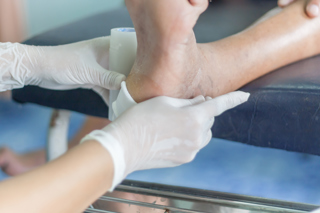
Podcast 841: Wound Care

Podcast 841: Wound Care

Contributor: Aaron Lessen, MD Educational Pearls: Wound care in the emergency department aims to prevent future infection Copious wound irrigation is the important step in preventing wound infection ...

3 Tammi 20233min

Podcast 840: Abnormal Pediatric Vitals at Discharge

Podcast 840: Abnormal Pediatric Vitals at Discharge

Contributor: Aaron Lessen, MD Educational Pearls: Pediatric patients frequently have vital signs considered abnormal for age at discharge Large multicenter study recently evaluated if pediatric patie...

29 Joulu 20223min
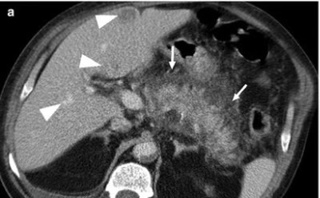
Podcast 839: Causes of Pancreatitis

Podcast 839: Causes of Pancreatitis

Contributor: Travis Barlock, MD Educational Pearls: The causes of pancreatitis can be remembered with the mnemonic: "GET SMASHED" G: Gallstones (Most common cause of pancreatitis overall) E: Ethan...

19 Joulu 20223min
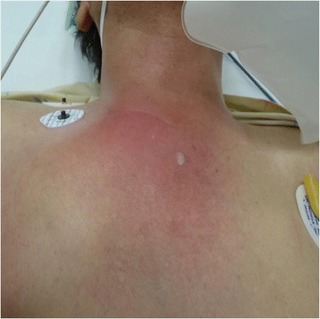
Podcast 838: Sternoclavicular Septic Arthritis

Podcast 838: Sternoclavicular Septic Arthritis

Contributor: Aaron Lessen, MD Educational Pearls: Septic arthritis of the sternoclavicular joint is uncommon accounting for Immunosuppression and IV drug use increases the risk  Can account for up ...

13 Joulu 20224min

Podcast 837: Snakebites

Podcast 837: Snakebites

Contributor: Meghan Hurley, MD Educational Pearls: Venomous snakes in the United States include species from the family Elapidae and subfamily Crotalinae In prehospital setting, elevate the bitten ex...

12 Joulu 20226min

Podcast 836: Humming to get EJ

Podcast 836: Humming to get EJ

Contributor: Jared Scott, MD Educational Pearls: Two conventional ways to aid in external jugular vein (EJ) catheter placement are Trendelenburg's position and Valsalva's maneuver by patient One stu...

6 Joulu 20223min
Podcast 835: Syncope Review

Podcast 835: Syncope Review

Contributor: Meghan Hurley, MD Educational Pearls: Syncope is defined as a loss of consciousness with an immediate return to baseline Differential is broad Cardiogenic Structural (aortic stenosis, ...

5 Joulu 20226min

Suosittua kategoriassa Tiede

tiedekulma-podcast
rss-mita-tulisi-tietaa
rss-poliisin-mieli
docemilia
rss-duodecim-lehti
utelias-mieli
rss-astetta-parempi-elama-podcast
rss-luontopodi-samuel-glassar-tutkii-luonnon-ihmeita
filocast-filosofian-perusteet
rss-ammamafia
rss-tiedetta-vai-tarinaa
rss-lapsuuden-rakentajat-podcast
rss-sosiopodi