
Podcast 553: Airway Management in the Hypoxic COVID-19 Patient (Recorded 4/3/20)

Podcast 553: Airway Management in the Hypoxic COVID-19 Patient (Recorded 4/3/20)

Contributor: Dylan Luyten, MD

Educational pearls:

  • Clinical management of COVID-19 is rapidly evolving, relying on case reports and clinical experience
  • In just a month, the consensus around management of COVID patients with severe hypoxia has shifted from an early intubation strategy to other, non-invasive means
  • Intubating early can quickly consume ventilator resources, require increased intensive care monitoring, and likely leads to longer hospital stays and once COVID patients are intubated, extubation can take days to weeks.
  • In Italy, ventilator supplies were depleted leading to the use of helmet CPAP machines, which appeared to be effective in management of respiratory distress in COVID, though not available for use in the US
  • Non-invasive ventilation such as CPAP/BiPAP is thought to increase risk to staff for infection via aerosolization, and has often been avoided in COVID patients
  • High flow nasal cannulas appear to pose less of a risk of aerosolization of viral particles (especially when a surgical mask is placed over the patient's nose, mouth and apparatus)
  • Anecdotal evidence from NYC has shown success allowing conscious patients to maintain hypoxia on HFN, where they will self prone to help with lung recruitment, and seemingly do well despite persistent saturations in the 80s or less
  • Hospitals around the country are moving away from the intubate early methodology in favor of high flow oxygen therapy as long as they are not having issues with work of breathing or other complications
  • The pathophysiology of respiratory distress and hypoxia in COVID patients is evolving as well, and some presentations appear similar to disease processes such as high altitude pulmonary edema (HAPE) rather than acute respiratory distress syndrome (ARDS), in that patients are quite well appearing despite phenomenally low oximetry readings.
    • These select patients appear to be excellent candidates for non-invasive means rather than an early intubation strategy

Editor's note: do not take lightly that intubation is one of the highest risk aerosolization generating procedures, along with many peri-intubation procedures like suctioning, BVM, etc.

References

[1]. Sorbello, M. et al. The Italian coronavirus disease 2019 outbreak: recommendations from clinical practice. Anaesthesia. 2020 Mar 27.

[2]. Giwa, AL. Desai A. Duca A. Novel 2019 coronavirus SARS-CoV-2 (COVID-19): An updated overview for emergency clinicians. Emerg Med Pract. 2020 May 1;22(5):1-28.

[3]. Ather B, Edemekong PF. Airborne Precautions. [Updated 2020 Feb 17]. In: StatPearls [Internet]. Treasure Island (FL): StatPearls Publishing; 2020 Jan.

Summarized by Jackson Roos, MS3 | Edited by Erik Verzemnieks, MD

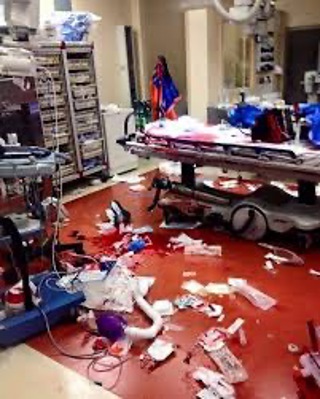
Photo Credit: New England Journal of Medicine

https://www.nejm.org/doi/full/10.1056/NEJMc2007589?query=RP

Jaksot(1148)

Podcast 545: So You Quit Smoking… Now What?

Podcast 545: So You Quit Smoking… Now What?

Author: Aaron Lessen, MD Educational Pearls: New data shows within 5 years of smoking cessation, the risk of cardiovascular disease becomes half of those who continue to smoke After 10-15 years of c...

2 Maalis 20201min

UnfilterED #5: Dr. Lisa Zwerdlinger

UnfilterED #5: Dr. Lisa Zwerdlinger

Recorded remotely in the highest hospital in the world, Nick sits down to talk with Dr. Lisa Zwerdlinger, a small-town physician who's worn many different hats both in the hospital and her community. ...

26 Helmi 202033min

Podcast 544: C is for Sepsis

Podcast 544: C is for Sepsis

Author: Aaron Lessen, MD Educational Pearls: Previously, trials had shown promising evidence that vitamin C may improve mortality rates in patients with sepsis or septic shock. A 2017 retrospective...

25 Helmi 20202min
Podcast 543: Scoring Blunt Traumatic Aortic Injury

Podcast 543: Scoring Blunt Traumatic Aortic Injury

Author: Nick Tsipis, MD Educational Pearls: Aortic injury caused by blunt trauma is very rare Chest x-ray findings might include widening of the mediastinum Ligamentum arteriosum (remnant of the duct...

24 Helmi 20203min
Mental Health Monthly #2: Non-Epileptic Seizures (NES)

Mental Health Monthly #2: Non-Epileptic Seizures (NES)

Non Epileptic Seizures (NES) is perhaps one of the most misunderstood and overlooked disorders that emergency medicine professionals encounter. Dr. Randi Libbon & Dr. Laura Strom, both experts on NES,...

19 Helmi 202011min
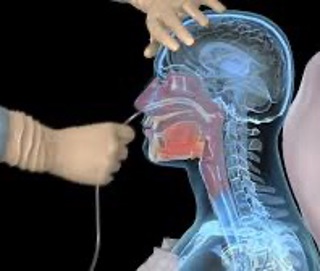
Podcast 542: Nasogastric Tubes

Podcast 542: Nasogastric Tubes

Author: Don Stader, MD Educational Pearls: Nasogastric tubes (NGT) are very uncomfortable for all those involved but some simple tricks and tips may help: Topical lidocaine can be inserted into the n...

18 Helmi 20204min
Podcast 541: Needle Thoracostomy

Podcast 541: Needle Thoracostomy

Author: Aaron Lessen, MD Educational Pearls: Traditional technique of needle thoracostomy for tension penumothorax is along the 2nd intercostal space at the midclavicular line Inserting a large angio...

17 Helmi 20203min
On the Streets #1: The Art of the Handoff Report

On the Streets #1: The Art of the Handoff Report

EMM is proud to present the pilot episode of our new monthly series, "On the Streets". This will be an informative podcast for all of our listeners, but this one was designed specifically for our EMS ...

12 Helmi 202025min

Suosittua kategoriassa Tiede

tiedekulma-podcast
rss-mita-tulisi-tietaa
utelias-mieli
rss-poliisin-mieli
rss-duodecim-lehti
radio-antro
rss-sosiopodi
filocast-filosofian-perusteet
rss-ylistys-elaimille
rss-lihavuudesta-podcast
docemilia
mielipaivakirja
rss-tiedetta-vai-tarinaa
rss-tervetta-skeptisyytta