

Podcast 553: Airway Management in the Hypoxic COVID-19 Patient (Recorded 4/3/20)

Podcast 553: Airway Management in the Hypoxic COVID-19 Patient (Recorded 4/3/20)

Contributor: Dylan Luyten, MD

Educational pearls:

  • Clinical management of COVID-19 is rapidly evolving, relying on case reports and clinical experience
  • In just a month, the consensus around management of COVID patients with severe hypoxia has shifted from an early intubation strategy to other, non-invasive means
  • Intubating early can quickly consume ventilator resources, require increased intensive care monitoring, and likely leads to longer hospital stays and once COVID patients are intubated, extubation can take days to weeks.
  • In Italy, ventilator supplies were depleted leading to the use of helmet CPAP machines, which appeared to be effective in management of respiratory distress in COVID, though not available for use in the US
  • Non-invasive ventilation such as CPAP/BiPAP is thought to increase risk to staff for infection via aerosolization, and has often been avoided in COVID patients
  • High flow nasal cannulas appear to pose less of a risk of aerosolization of viral particles (especially when a surgical mask is placed over the patient's nose, mouth and apparatus)
  • Anecdotal evidence from NYC has shown success allowing conscious patients to maintain hypoxia on HFN, where they will self prone to help with lung recruitment, and seemingly do well despite persistent saturations in the 80s or less
  • Hospitals around the country are moving away from the intubate early methodology in favor of high flow oxygen therapy as long as they are not having issues with work of breathing or other complications
  • The pathophysiology of respiratory distress and hypoxia in COVID patients is evolving as well, and some presentations appear similar to disease processes such as high altitude pulmonary edema (HAPE) rather than acute respiratory distress syndrome (ARDS), in that patients are quite well appearing despite phenomenally low oximetry readings.
    • These select patients appear to be excellent candidates for non-invasive means rather than an early intubation strategy

Editor's note: do not take lightly that intubation is one of the highest risk aerosolization generating procedures, along with many peri-intubation procedures like suctioning, BVM, etc.

References

[1]. Sorbello, M. et al. The Italian coronavirus disease 2019 outbreak: recommendations from clinical practice. Anaesthesia. 2020 Mar 27.

[2]. Giwa, AL. Desai A. Duca A. Novel 2019 coronavirus SARS-CoV-2 (COVID-19): An updated overview for emergency clinicians. Emerg Med Pract. 2020 May 1;22(5):1-28.

[3]. Ather B, Edemekong PF. Airborne Precautions. [Updated 2020 Feb 17]. In: StatPearls [Internet]. Treasure Island (FL): StatPearls Publishing; 2020 Jan.

Summarized by Jackson Roos, MS3 | Edited by Erik Verzemnieks, MD

Photo Credit: New England Journal of Medicine

https://www.nejm.org/doi/full/10.1056/NEJMc2007589?query=RP

Jaksot(1147)

Podcast #352: TXA for Epistaxis

Podcast #352: TXA for Epistaxis

Podcast #352: TXA for Epistaxis Author: Chris Holmes, M.D. Educational Pearls: TXA: tranexamic acid; used in control of bleeding in major trauma, postpartum hemorrhage, etc. In study of 216 pati...

13 Heinä 20183min
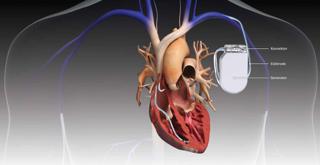
Podcast #351: Indications for AICD

Podcast #351: Indications for AICD

Author: Pete Bakes, MD Educational Pearls: AICD: Automated Implantable Cardioverter-Defibrillator. Can be placed for secondary prevention of cardiac arrest (i.e. history of cardiac arrest not fr...

11 Heinä 20184min
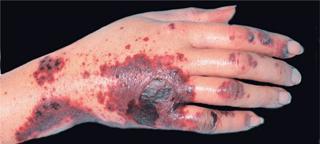
Podcast # 350: Pressors and Ischemia

Podcast # 350: Pressors and Ischemia

Author: Nick Hatch, MD. Educational Pearls: A common concern using vasopressors is the risk of digital and mesenteric ischemia. The absolute risk of digital ischemia and/or mesenteric ischemia is...

9 Heinä 20183min
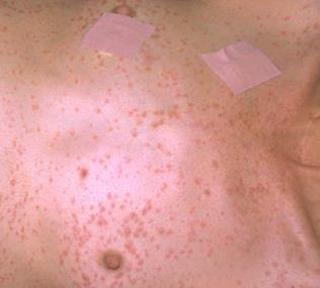
Podcast # 349: Fat Emboli

Podcast # 349: Fat Emboli

Author: Sue Chilton, MD Educational Pearls: Triad of fat emboli syndrome is a petechial rash, AMS, and respiratory distress. Petechiae usually start in the axilla. 90% of patients with long bon...

4 Heinä 20183min
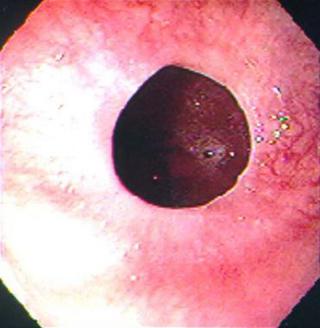
Podcast # 348: Steakhouse Syndrome

Podcast # 348: Steakhouse Syndrome

Author: Don Stader, MD Educational Pearls: Steakhouse syndrome is an impacted esophageal food bolus. Occurs because they have an esophageal stricture (schatzki ring, scarring, esophagitis). Cla...

2 Heinä 20183min
Podcast # 347: Fasting and Procedural Sedation

Podcast # 347: Fasting and Procedural Sedation

Author: Sam Killian, MD Educational Pearls: Recent study examining fasting and adverse events during procedural sedation found no association between fasting duration and any type of adverse event....

29 Kesä 20183min
Podcast # 346: Pediatric DKA

Podcast # 346: Pediatric DKA

Author: Chris Holmes, MD Educational Pearls: There is a risk of cerebral edema in pediatrics with DKA if over resuscitated. Recent study comparing normal saline vs. ½ normal saline showed no diff...

27 Kesä 20184min
Podcast # 345: Epidural Abscess

Podcast # 345: Epidural Abscess

Author: Sue Chilton, MD Educational Pearls: IV drug use and spinal procedures are major risk factors. Classic triad of back pain, focal neurological deficit and fever. However, presence of fever ...

25 Kesä 20184min

Suosittua kategoriassa Tiede

rss-poliisin-mieli
rss-mita-tulisi-tietaa
tiedekulma-podcast
rss-luontopodi-samuel-glassar-tutkii-luonnon-ihmeita
utelias-mieli
docemilia
rss-duodecim-lehti
radio-antro
filocast-filosofian-perusteet
rss-lihavuudesta-podcast
rss-sosiopodi











