
Podcast 555:  Anticoagulation vs. Antiplatelet

Podcast 555: Anticoagulation vs. Antiplatelet

Contributor: Don Stader, MD

Educational Pearls:

  • When do we give antiplatelet drugs or anti-coagulation drugs?
    • Arterial issues get antiplatelet therapy
    • Venous issues, or slow flow states, get anticoagulation therapy.
  • High flow areas (arteries) are more prone to platelet clotting while the venous system is more prone to allowing blockages caused by coagulation factors.
  • The main side effect with antiplatelet and anticoagulants is bleeding. Typically antiplatelet drugs cause more bleeding issues because platelets are made in the bone marrow, while coagulation factors are made in the liver, so it takes longer for the bone marrow to replete platelets versus the liver which is a fast synthesizer of clotting factors.
  • Reversal of antiplatelet drugs can take a while, so patients on these drugs (ex. Plavix) may need a week of withholding the drug to get surgery, while anti-coagulation drugs (ex. Xarelto) can be stopped a day or two prior to surgery.

References

1. Altiok, E. Marx, N. Oral Anticoagulation: Update on Anticoagulation With Vitamin K Antagonists and Non–Vitamin K–Dependent Oral Anticoagulants. Dtsch Arztebl Int. 2018 Nov; 115(46): 776–783. Published online 2018 Nov 16. doi: 10.3238/arztebl.2018.0776

2. Kapil, N. Et al. Antiplatelet and Anticoagulant Therapies for Prevention of Ischemic Stroke.

Clin Appl Thromb Hemost. 2017 May;23(4):301-318. doi: 10.1177/1076029616660762. Epub 2016 Jul 26.

3. Ostergaard, L. Fosbol EL. Roe MT. The Role of Antiplatelet Therapy in Primary Prevention. A Review. Curr Pharm Des. 2017;23(9):1294-1306. doi: 10.2174/1381612822666161205115540.

Summarized by Jackson Roos, MS3 | Edited by Erik Verzemnieks, MD


Jaksot(1146)

On the Streets #13: Pre-hospital Cardiology Concepts

On the Streets #13: Pre-hospital Cardiology Concepts

On this episode of On the Streets, our host, Jordan Ourada, talks with cardiologist, Dr. Chirag Chauhan, about all things cardiac. Highlighted topics: Wrist versus femoral access in the cath lab The ...

20 Huhti 202241min

Podcast 774: Maggots

Podcast 774: Maggots

Contributor: Chris Holmes, MD Educational Pearls: Maggots were discovered as a therapy to help wound healing in WWI, but this fell out of favor after the discovery of penicillin One study from Israel...

19 Huhti 20225min
Podcast 773: Atrial Fibrillation Medications

Podcast 773: Atrial Fibrillation Medications

Contributor: Aaron Lessen, MD Educational Pearls: Atrial fibrillation is an irregular heart rhythm that sometimes requires rate control in setting of rapid ventricular response (RVR) Calcium channel ...

18 Huhti 20223min

Podcast 772: Firearms in Suicidal Ideation

Podcast 772: Firearms in Suicidal Ideation

Contributor: Aaron Lessen, MD Educational Pearls: Firearms are a dangerous potential method of committing suicide Death occurs in about 5-15% of suicide attempts overall, but death in suicide attempt...

12 Huhti 20224min

Podcast 771: Intubation in Cardiac Arrest

Podcast 771: Intubation in Cardiac Arrest

Contributor: Don Stader, MD Educational Pearls: In a secondary analysis of the PART trial, the mortality effect of timing of airway management for patients in cardiac arrest was examined Study looked...

11 Huhti 20223min
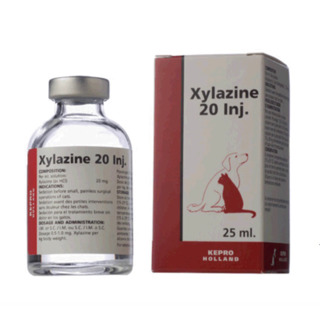
Podcast 770: Xylazine

Podcast 770: Xylazine

Contributor: Don Stader, MD Educational Pearls: Xylazine, referred to as tranq dope colloquially, is an FDA approved animal tranquilizer that is circulating in the illicit drug markets of the northea...

5 Huhti 20223min
Podcast 769: Pressors After Cardiac Arrest

Podcast 769: Pressors After Cardiac Arrest

Contributor: Aaron Lessen, MD Educational Pearls: Hypotension after cardiac arrest often requires a vasopressor to improve blood pressure Recent observational study from France examined outcomes of p...

4 Huhti 20223min
Mental Health Monthly #11: De-escalation: Changing Confrontation to Collaboration

Mental Health Monthly #11: De-escalation: Changing Confrontation to Collaboration

Contributor: Dr. Kimberly Nordstrom De-escalation usually takes less time than physical and chemical restraints, which leads to decreased injury to staff members, better patient trust and increased p...

30 Maalis 202216min

Suosittua kategoriassa Tiede

tiedekulma-podcast
rss-poliisin-mieli
rss-mita-tulisi-tietaa
docemilia
rss-duodecim-lehti
rss-luontopodi-samuel-glassar-tutkii-luonnon-ihmeita
utelias-mieli
radio-antro
rss-astetta-parempi-elama-podcast
rss-lapsuuden-rakentajat-podcast
rss-lihavuudesta-podcast
rss-sosiopodi












