
Podcast 555:  Anticoagulation vs. Antiplatelet

Podcast 555: Anticoagulation vs. Antiplatelet

Contributor: Don Stader, MD

Educational Pearls:

  • When do we give antiplatelet drugs or anti-coagulation drugs?
    • Arterial issues get antiplatelet therapy
    • Venous issues, or slow flow states, get anticoagulation therapy.
  • High flow areas (arteries) are more prone to platelet clotting while the venous system is more prone to allowing blockages caused by coagulation factors.
  • The main side effect with antiplatelet and anticoagulants is bleeding. Typically antiplatelet drugs cause more bleeding issues because platelets are made in the bone marrow, while coagulation factors are made in the liver, so it takes longer for the bone marrow to replete platelets versus the liver which is a fast synthesizer of clotting factors.
  • Reversal of antiplatelet drugs can take a while, so patients on these drugs (ex. Plavix) may need a week of withholding the drug to get surgery, while anti-coagulation drugs (ex. Xarelto) can be stopped a day or two prior to surgery.

References

1. Altiok, E. Marx, N. Oral Anticoagulation: Update on Anticoagulation With Vitamin K Antagonists and Non–Vitamin K–Dependent Oral Anticoagulants. Dtsch Arztebl Int. 2018 Nov; 115(46): 776–783. Published online 2018 Nov 16. doi: 10.3238/arztebl.2018.0776

2. Kapil, N. Et al. Antiplatelet and Anticoagulant Therapies for Prevention of Ischemic Stroke.

Clin Appl Thromb Hemost. 2017 May;23(4):301-318. doi: 10.1177/1076029616660762. Epub 2016 Jul 26.

3. Ostergaard, L. Fosbol EL. Roe MT. The Role of Antiplatelet Therapy in Primary Prevention. A Review. Curr Pharm Des. 2017;23(9):1294-1306. doi: 10.2174/1381612822666161205115540.

Summarized by Jackson Roos, MS3 | Edited by Erik Verzemnieks, MD


Jaksot(1146)

Podcast 627: Oxygen Like It's Hot

Podcast 627: Oxygen Like It's Hot

Contributor: Aaron Lessen, MD Educational Pearls: High flow nasal cannula (HFNC) has become more utilized with COVID pandemic Multiple studies have shown this method improves both oxygenation and ven...

4 Tammi 20213min
Pharmacy Phriday #6: Tik Tok Benadryl Challenge and Diphenhydramine Toxicity

Pharmacy Phriday #6: Tik Tok Benadryl Challenge and Diphenhydramine Toxicity

Contributor: Ruben Marrero-Vasquez, PharmD Educational Pearls: ACEP and FDA have both issued warnings about the viral Tik Tok Benadryl (diphenhydramine) challenge where individuals voluntarily overdo...

1 Tammi 20216min

Mental Health Monthly #6: Suicide Assessment

Mental Health Monthly #6: Suicide Assessment

EMM is excited to welcome back the hosts of Millennial Mental Health Channel podcast to explain the key points of a robust suicide assessment in the ED. Dr. Justin Romano is a third year psychiatry re...

30 Joulu 202016min
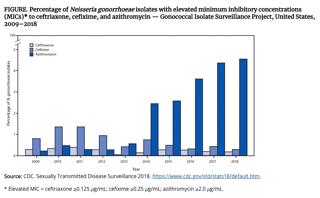
Podcast 626: Updated Gonorrhea Treatment

Podcast 626: Updated Gonorrhea Treatment

Educational Pearls: The CDC has made new formal recommendations for treating Gonorrhea due to increasing resistance to Rocephin and Azithromycin. New recommendations: Confirmed gonorrhea: Ceftriaxo...

29 Joulu 20204min

Podcast 625: High Altitude Cerebral Edema (HACE)

Podcast 625: High Altitude Cerebral Edema (HACE)

Contributor: Tom Seibert, MD Educational Pearls: High altitude cerebral edema (HACE) is the end stage of acute mountain sickness and is diagnosed when patients develop neurologic dysfunction, ataxia,...

28 Joulu 20202min

Podcast 624: Timing and Tips on Sepsis

Podcast 624: Timing and Tips on Sepsis

Contributor: Don Stader, MD Educational Pearls: Time can be an important factor in outcomes regarding sepsis including mortality Emphasis has grown on early administration of antibiotics and IV fluid...

22 Joulu 20203min
Podcast 623: Acute Mountain Sickness

Podcast 623: Acute Mountain Sickness

Contributor: Tom Seibert, MD Educational Pearls: Acute Mountain sickness (AMS) can cause headache along with fatigue, nausea, vomiting, insomnia Typically occurs above 6500 feet (not 65,000) in eleva...

21 Joulu 20204min

Podcast 622: High Altitude Pulmonary Edema (HAPE)

Podcast 622: High Altitude Pulmonary Edema (HAPE)

Contributor: Thomas Seibert, MD Educational Pearls: High Altitude Pulmonary Edema (HAPE) typically occurs 2-4 days after arriving at elevation Symptoms include: Fatigue Dyspnea Cough Treatment in...

15 Joulu 20204min

Suosittua kategoriassa Tiede

rss-poliisin-mieli
rss-mita-tulisi-tietaa
tiedekulma-podcast
docemilia
rss-luontopodi-samuel-glassar-tutkii-luonnon-ihmeita
rss-duodecim-lehti
radio-antro
utelias-mieli
filocast-filosofian-perusteet
rss-lapsuuden-rakentajat-podcast
rss-lihavuudesta-podcast
rss-sosiopodi