Podcast 557:  COVID-19 Lab Trends

Podcast 557: COVID-19 Lab Trends

Contributor: Don Stader, MD

Educational Pearls:

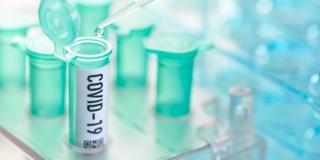
  • COVID-19 is diagnosed with a nasopharyngeal swab (q-tip). This unfortunately can be painful, but if the swab doesn't go deep into the nasal cavity the sample can be inadequate leading to false negatives (missed infections).
  • The sensitivity of the COVID-19 RT PCR test is low, ranging from 66-80% in various studies. Another study has shown 23% of patients who initially tested negative but had COVID-19 symptoms will test positive when re-tested. So test highly suspicious patients twice.

  • COVID has shown to have an effect on CBC. White blood cell counts are often normal (no leukocytosis), but there is often lymphopenia, or low lymphocytes, and thrombocytopenia. Interestingly, low platelets have appeared to have prognostic value in that lower platelets often indicate worse patient outcomes.
  • Coagulation studies are showing very elevated D-Dimers which has sparked the debate as to whether COVID-19 causes a hypercoagulable state. The increased incidence of MI/heart attacks and strokes in COVID patients supports this argument.
  • While D-Dimers can help point towards a diagnosis of pulmonary embolism, in the setting of highly likely COVID-19 infections, getting a CTA looking for a PE is probably unnecessary unless there's also suspicion for PE.
  • C-reactive protein (CRP) and procalcitonin are two common inflammatory markers. A CRP can help indicate how sick a patient is and procalcitonin can help determine if the infection is bacterial or viral in nature.
  • CRP levels are often elevated in COVID patients, and studies are showing a high CRP is linked to worse patient outcomes.
  • Elevations in procalcitonin can be used to see if there's a concomitant bacterial infection, meaning patients need antibiotics in addition to supportive care for the COVID-19.
  • Flu season is coming to a close, but data has shown a 5-10% co-infection rate of COVID-19 with influenza. As expected patient outcomes have been worse in those with both infections.

References

1) Farkas, Josh. "COVID-19." EMCrit Project, 21 Apr. 2020, emcrit.org/ibcc/covid19/#labs.

2) Guan W. et al. Clinical Characteristics of Coronavirus Disease 2019 in China. February 28, 2020, updated on March 6, 2020, at NEJM.org. DOI: 10.1056/NEJMoa2002032

3)Young BE, Ong SWX, Kalimuddin S, et al. Epidemiologic Features and Clinical Course of Patients Infected With SARS-CoV-2 in Singapore. JAMA. 2020;323(15):1488–1494. doi:10.1001/jama.2020.3204

4) Wang M. et al. Clinical diagnosis of 8274 samples with 2019-novel coronavirus in Wuhan. medRxiv 2020.02.12.20022327; doi: https://doi.org/10.1101/2020.02.12.20022327

Summarized by Jackson Roos, MS4 | Edited by Erik Verzemnieks, MD

Jaksot(1147)

Podcast #287: Sepsis Bundles

Podcast #287: Sepsis Bundles

Author: Aaron Lessen, M.D. Educational Pearls Treatment "bundles" are a popular approach to the rapid resuscitation of septic patients. A recent study in New York, where sepsis bundles are mandatory,...

5 Tammi 20182min
Podcast #286: Coronary Vascular Conditions that aren't STEMI

Podcast #286: Coronary Vascular Conditions that aren't STEMI

Author: Don Stader, M.D. Educational Pearls While we usually associate the coronary vasculature with STEMIs, there are other pathologies that can affect the heart's blood supply. Kounis syndrome: an ...

3 Tammi 20184min
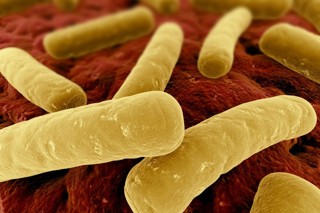
Podcast #285: C Diff

Podcast #285: C Diff

Author: Aaron Lessen, M.D. Educational Pearls While C. difficile infections are generally thought of as nosocomial, there is a subset of patients who acquire the infection in the community. One rece...

1 Tammi 20182min

Podcast #284: Plane Emergencies

Podcast #284: Plane Emergencies

Author: Erik Verzemneicks, M.D. Educational Pearls 1/600 flights has an on-board request for medical assistance. Most common complaints on board include: syncope, respiratory complaints, and GI compl...

29 Joulu 20173min
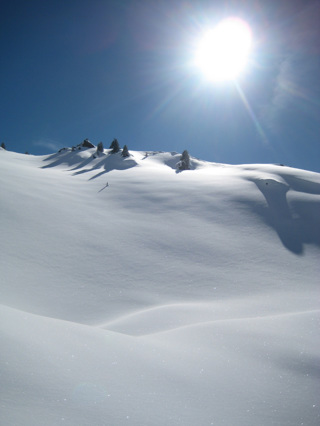
Podcast #283: Snow Blindness

Podcast #283: Snow Blindness

Author: John Winkler, M.D. Educational Pearls Photokeratitis is a UV burn of the sclera and cornea, which can cause blindness. UV light causes eyelid swelling with diffuse scarring of the eye (wides...

27 Joulu 20173min
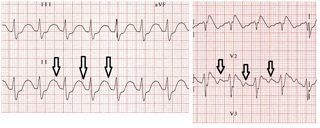
Podcast #282: EKG Changes in DKA

Podcast #282: EKG Changes in DKA

Author: Dave Rosenberg, M.D. Educational Pearls EKG changes that can be seen in DKA include ST elevation and peaked T-waves secondary to derangements in K levels. In DKA, serum K is high, but total ...

25 Joulu 20173min

Deep Dive #8: Wintertime Wilderness Medicine

Deep Dive #8: Wintertime Wilderness Medicine

Author: John Winkler, M.D. Dr. Winkler shares his knowledge of wilderness medicine and provides insight on how to prevent and treat conditions such as hypothermia, frostbite and sun blindness. More im...

18 Joulu 201729min
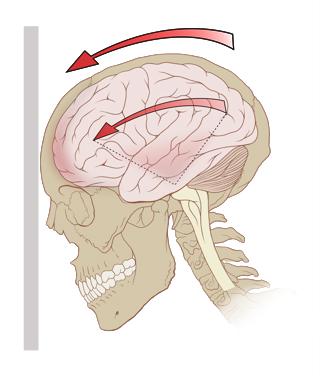
Podcast #281: Intracranial Hemorrhage Treatment

Podcast #281: Intracranial Hemorrhage Treatment

Podcast #281: Intracranial Hemorrhage Treatment Author: Don Stader, M.D. Educational Pearls Types of traumatic bleeds include subdural, epidural, and subarachnoid. Treatment for a traumatic bleed inc...

15 Joulu 20172min

Suosittua kategoriassa Tiede

rss-mita-tulisi-tietaa
rss-poliisin-mieli
utelias-mieli
tiedekulma-podcast
docemilia
rss-duodecim-lehti
rss-luontopodi-samuel-glassar-tutkii-luonnon-ihmeita
rss-tervetuloa-tervemenoa
rss-ylistys-elaimille
rss-tervetta-skeptisyytta