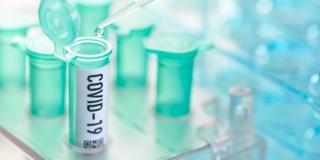

Podcast 557:  COVID-19 Lab Trends

Podcast 557: COVID-19 Lab Trends

Contributor: Don Stader, MD

Educational Pearls:

  • COVID-19 is diagnosed with a nasopharyngeal swab (q-tip). This unfortunately can be painful, but if the swab doesn't go deep into the nasal cavity the sample can be inadequate leading to false negatives (missed infections).
  • The sensitivity of the COVID-19 RT PCR test is low, ranging from 66-80% in various studies. Another study has shown 23% of patients who initially tested negative but had COVID-19 symptoms will test positive when re-tested. So test highly suspicious patients twice.

  • COVID has shown to have an effect on CBC. White blood cell counts are often normal (no leukocytosis), but there is often lymphopenia, or low lymphocytes, and thrombocytopenia. Interestingly, low platelets have appeared to have prognostic value in that lower platelets often indicate worse patient outcomes.
  • Coagulation studies are showing very elevated D-Dimers which has sparked the debate as to whether COVID-19 causes a hypercoagulable state. The increased incidence of MI/heart attacks and strokes in COVID patients supports this argument.
  • While D-Dimers can help point towards a diagnosis of pulmonary embolism, in the setting of highly likely COVID-19 infections, getting a CTA looking for a PE is probably unnecessary unless there's also suspicion for PE.
  • C-reactive protein (CRP) and procalcitonin are two common inflammatory markers. A CRP can help indicate how sick a patient is and procalcitonin can help determine if the infection is bacterial or viral in nature.
  • CRP levels are often elevated in COVID patients, and studies are showing a high CRP is linked to worse patient outcomes.
  • Elevations in procalcitonin can be used to see if there's a concomitant bacterial infection, meaning patients need antibiotics in addition to supportive care for the COVID-19.
  • Flu season is coming to a close, but data has shown a 5-10% co-infection rate of COVID-19 with influenza. As expected patient outcomes have been worse in those with both infections.

References

1) Farkas, Josh. "COVID-19." EMCrit Project, 21 Apr. 2020, emcrit.org/ibcc/covid19/#labs.

2) Guan W. et al. Clinical Characteristics of Coronavirus Disease 2019 in China. February 28, 2020, updated on March 6, 2020, at NEJM.org. DOI: 10.1056/NEJMoa2002032

3)Young BE, Ong SWX, Kalimuddin S, et al. Epidemiologic Features and Clinical Course of Patients Infected With SARS-CoV-2 in Singapore. JAMA. 2020;323(15):1488–1494. doi:10.1001/jama.2020.3204

4) Wang M. et al. Clinical diagnosis of 8274 samples with 2019-novel coronavirus in Wuhan. medRxiv 2020.02.12.20022327; doi: https://doi.org/10.1101/2020.02.12.20022327

Summarized by Jackson Roos, MS4 | Edited by Erik Verzemnieks, MD

Jaksot(1147)

Podcast #229: Andrew Jackson

Podcast #229: Andrew Jackson

Author: Sam Killian, M.D. Educational Pearls Andrew Jackson was the 7th president of the USA. He served 2 terms from 1829-1837. He had had many medical issues during his presidency. He was said to be...

24 Heinä 20175min

Podcast #228: BB Guns

Podcast #228: BB Guns

Author: Jared Scott, M.D. Educational Pearls BB gun eye injuries are most common in August and September. They most often happen to males aged 16-17 year old. Around 10% of the BB eye injuries lead t...

22 Heinä 20174min
Podcast #227: CPR-Induced Consciousness

Podcast #227: CPR-Induced Consciousness

Author: Nick Hatch, M.D. Educational Pearls CPR-induced consciousness is a phenomenon that occurs when someone who was previously unconscious and is undergoing CPR regains consciousness and makes pur...

20 Heinä 20173min
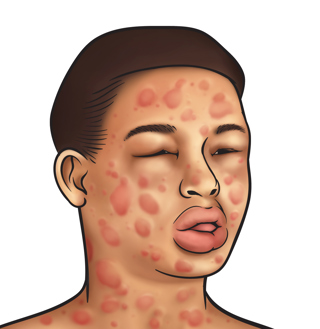
Podcast #226: Biphasic Anaphylaxis

Podcast #226: Biphasic Anaphylaxis

Author: Sam Killian, M.D. Educational Pearls Anaphylaxis is common in the ED. These patients are treated and then usually watched for 4-6 hours. Biphasic happens in patients that have a complete reso...

18 Heinä 20173min

Podcast #225: Rhogam

Podcast #225: Rhogam

Author: Dylan Luyten, M.D. Educational Pearls Rhogam is commonly used when an Rh negative woman has an Rh positive fetus. It is commonly used in the ER in the setting of a miscarriage. Rh(+) fetal bl...

16 Heinä 20174min
Deep Dive #4: Pediatric Type I DKA

Deep Dive #4: Pediatric Type I DKA

Author: Justin Harper Justin Harper, a paramedic married to a pediatric nurse, discovered his own son had type I diabetes 2 years ago. Despite their medical experience, this diagnosis came as surprise...

14 Heinä 201747min

Brewcast Part VIII: Cannabis in Colorado

Brewcast Part VIII: Cannabis in Colorado

Author: Dr. Larry Wolk, Executive Director and Chief Medical Officer for the Colorado Department of Public Health and Environment. Topic: Dr. Larry Wolk educates us on how cannabis has affected Colora...

9 Heinä 201717min

Brewcast Part VII: A Patient's Perspective on Medical Marijuana

Brewcast Part VII: A Patient's Perspective on Medical Marijuana

Authors: Don Stader, M.D. & Lauren Gibbs Topic: Lauren breaks the stoner stereotype and explains how marijuana has positively impacted her life.

8 Heinä 201720min

Suosittua kategoriassa Tiede

rss-poliisin-mieli
rss-mita-tulisi-tietaa
tiedekulma-podcast
rss-luontopodi-samuel-glassar-tutkii-luonnon-ihmeita
utelias-mieli
rss-duodecim-lehti
radio-antro
docemilia
filocast-filosofian-perusteet
rss-tervetta-skeptisyytta
rss-lihavuudesta-podcast
rss-sosiopodi