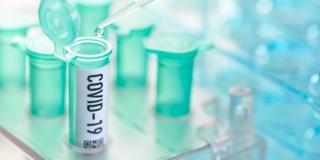
Podcast 557:  COVID-19 Lab Trends

Podcast 557: COVID-19 Lab Trends

Contributor: Don Stader, MD

Educational Pearls:

  • COVID-19 is diagnosed with a nasopharyngeal swab (q-tip). This unfortunately can be painful, but if the swab doesn't go deep into the nasal cavity the sample can be inadequate leading to false negatives (missed infections).
  • The sensitivity of the COVID-19 RT PCR test is low, ranging from 66-80% in various studies. Another study has shown 23% of patients who initially tested negative but had COVID-19 symptoms will test positive when re-tested. So test highly suspicious patients twice.

  • COVID has shown to have an effect on CBC. White blood cell counts are often normal (no leukocytosis), but there is often lymphopenia, or low lymphocytes, and thrombocytopenia. Interestingly, low platelets have appeared to have prognostic value in that lower platelets often indicate worse patient outcomes.
  • Coagulation studies are showing very elevated D-Dimers which has sparked the debate as to whether COVID-19 causes a hypercoagulable state. The increased incidence of MI/heart attacks and strokes in COVID patients supports this argument.
  • While D-Dimers can help point towards a diagnosis of pulmonary embolism, in the setting of highly likely COVID-19 infections, getting a CTA looking for a PE is probably unnecessary unless there's also suspicion for PE.
  • C-reactive protein (CRP) and procalcitonin are two common inflammatory markers. A CRP can help indicate how sick a patient is and procalcitonin can help determine if the infection is bacterial or viral in nature.
  • CRP levels are often elevated in COVID patients, and studies are showing a high CRP is linked to worse patient outcomes.
  • Elevations in procalcitonin can be used to see if there's a concomitant bacterial infection, meaning patients need antibiotics in addition to supportive care for the COVID-19.
  • Flu season is coming to a close, but data has shown a 5-10% co-infection rate of COVID-19 with influenza. As expected patient outcomes have been worse in those with both infections.

References

1) Farkas, Josh. "COVID-19." EMCrit Project, 21 Apr. 2020, emcrit.org/ibcc/covid19/#labs.

2) Guan W. et al. Clinical Characteristics of Coronavirus Disease 2019 in China. February 28, 2020, updated on March 6, 2020, at NEJM.org. DOI: 10.1056/NEJMoa2002032

3)Young BE, Ong SWX, Kalimuddin S, et al. Epidemiologic Features and Clinical Course of Patients Infected With SARS-CoV-2 in Singapore. JAMA. 2020;323(15):1488–1494. doi:10.1001/jama.2020.3204

4) Wang M. et al. Clinical diagnosis of 8274 samples with 2019-novel coronavirus in Wuhan. medRxiv 2020.02.12.20022327; doi: https://doi.org/10.1101/2020.02.12.20022327

Summarized by Jackson Roos, MS4 | Edited by Erik Verzemnieks, MD

Jaksot(1145)

Podcast 841: Wound Care

Podcast 841: Wound Care

Contributor: Aaron Lessen, MD Educational Pearls: Wound care in the emergency department aims to prevent future infection Copious wound irrigation is the important step in preventing wound infection ...

3 Tammi 20233min
Podcast 840: Abnormal Pediatric Vitals at Discharge

Podcast 840: Abnormal Pediatric Vitals at Discharge

Contributor: Aaron Lessen, MD Educational Pearls: Pediatric patients frequently have vital signs considered abnormal for age at discharge Large multicenter study recently evaluated if pediatric patie...

29 Joulu 20223min
Podcast 839: Causes of Pancreatitis

Podcast 839: Causes of Pancreatitis

Contributor: Travis Barlock, MD Educational Pearls: The causes of pancreatitis can be remembered with the mnemonic: "GET SMASHED" G: Gallstones (Most common cause of pancreatitis overall) E: Ethan...

19 Joulu 20223min
Podcast 838: Sternoclavicular Septic Arthritis

Podcast 838: Sternoclavicular Septic Arthritis

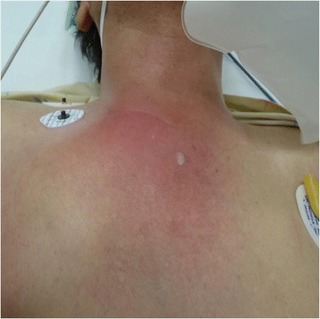
Contributor: Aaron Lessen, MD Educational Pearls: Septic arthritis of the sternoclavicular joint is uncommon accounting for Immunosuppression and IV drug use increases the risk  Can account for up ...

13 Joulu 20224min
Podcast 837: Snakebites

Podcast 837: Snakebites

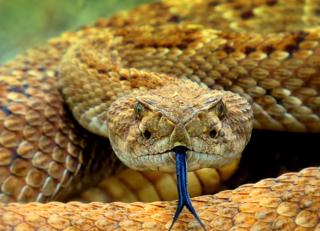
Contributor: Meghan Hurley, MD Educational Pearls: Venomous snakes in the United States include species from the family Elapidae and subfamily Crotalinae In prehospital setting, elevate the bitten ex...

12 Joulu 20226min

Podcast 836: Humming to get EJ

Podcast 836: Humming to get EJ

Contributor: Jared Scott, MD Educational Pearls: Two conventional ways to aid in external jugular vein (EJ) catheter placement are Trendelenburg's position and Valsalva's maneuver by patient One stu...

6 Joulu 20223min
Podcast 835: Syncope Review

Podcast 835: Syncope Review

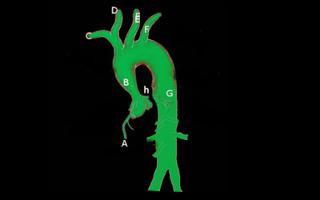
Contributor: Meghan Hurley, MD Educational Pearls: Syncope is defined as a loss of consciousness with an immediate return to baseline Differential is broad Cardiogenic Structural (aortic stenosis, ...

5 Joulu 20226min
Podcast 834:  Peds Buckle Fractures

Podcast 834: Peds Buckle Fractures

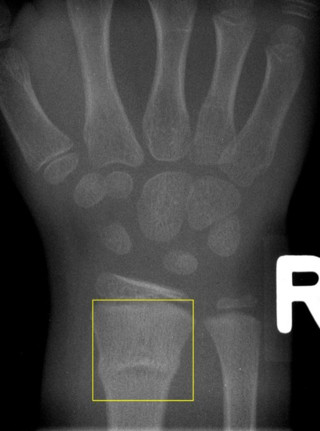
Contributor: Aaron Lessen, MD Educational Pearls: Torus (Buckle) fractures are a commonly encountered pediatric fracture pattern Typically presents as wrist pain secondary to a child falling on outs...

29 Marras 20223min

Suosittua kategoriassa Tiede

tiedekulma-podcast
rss-mita-tulisi-tietaa
rss-poliisin-mieli
rss-duodecim-lehti
docemilia
utelias-mieli
filocast-filosofian-perusteet
rss-ammamafia
rss-astetta-parempi-elama-podcast
rss-luontopodi-samuel-glassar-tutkii-luonnon-ihmeita
rss-sosiopodi
rss-tiedetta-vai-tarinaa












