Podcast 557:  COVID-19 Lab Trends

Podcast 557: COVID-19 Lab Trends

Contributor: Don Stader, MD

Educational Pearls:

  • COVID-19 is diagnosed with a nasopharyngeal swab (q-tip). This unfortunately can be painful, but if the swab doesn't go deep into the nasal cavity the sample can be inadequate leading to false negatives (missed infections).
  • The sensitivity of the COVID-19 RT PCR test is low, ranging from 66-80% in various studies. Another study has shown 23% of patients who initially tested negative but had COVID-19 symptoms will test positive when re-tested. So test highly suspicious patients twice.

  • COVID has shown to have an effect on CBC. White blood cell counts are often normal (no leukocytosis), but there is often lymphopenia, or low lymphocytes, and thrombocytopenia. Interestingly, low platelets have appeared to have prognostic value in that lower platelets often indicate worse patient outcomes.
  • Coagulation studies are showing very elevated D-Dimers which has sparked the debate as to whether COVID-19 causes a hypercoagulable state. The increased incidence of MI/heart attacks and strokes in COVID patients supports this argument.
  • While D-Dimers can help point towards a diagnosis of pulmonary embolism, in the setting of highly likely COVID-19 infections, getting a CTA looking for a PE is probably unnecessary unless there's also suspicion for PE.
  • C-reactive protein (CRP) and procalcitonin are two common inflammatory markers. A CRP can help indicate how sick a patient is and procalcitonin can help determine if the infection is bacterial or viral in nature.
  • CRP levels are often elevated in COVID patients, and studies are showing a high CRP is linked to worse patient outcomes.
  • Elevations in procalcitonin can be used to see if there's a concomitant bacterial infection, meaning patients need antibiotics in addition to supportive care for the COVID-19.
  • Flu season is coming to a close, but data has shown a 5-10% co-infection rate of COVID-19 with influenza. As expected patient outcomes have been worse in those with both infections.

References

1) Farkas, Josh. "COVID-19." EMCrit Project, 21 Apr. 2020, emcrit.org/ibcc/covid19/#labs.

2) Guan W. et al. Clinical Characteristics of Coronavirus Disease 2019 in China. February 28, 2020, updated on March 6, 2020, at NEJM.org. DOI: 10.1056/NEJMoa2002032

3)Young BE, Ong SWX, Kalimuddin S, et al. Epidemiologic Features and Clinical Course of Patients Infected With SARS-CoV-2 in Singapore. JAMA. 2020;323(15):1488–1494. doi:10.1001/jama.2020.3204

4) Wang M. et al. Clinical diagnosis of 8274 samples with 2019-novel coronavirus in Wuhan. medRxiv 2020.02.12.20022327; doi: https://doi.org/10.1101/2020.02.12.20022327

Summarized by Jackson Roos, MS4 | Edited by Erik Verzemnieks, MD

Jaksot(1146)

Podcast 796: Fluid Amounts in Septic Shock

Podcast 796: Fluid Amounts in Septic Shock

Contributor: Aaron Lessen, MD Educational Pearls: Septic shock management has traditionally endorsed rapid fluid resuscitation and the administration of vasopressors Current guidelines are for patien...

11 Heinä 20223min
Podcast 795: Lithium Toxicity

Podcast 795: Lithium Toxicity

Contributor: Peter Bakes, MD Educational Pearls: Lithium remains a commonly used medication for treating bipolar disorder Lithium toxicity can be acute, acute-on-chronic, or chronic Measuring blood ...

5 Heinä 20224min

Podcast 793: Postintubation Sedation and Analgesia

Podcast 793: Postintubation Sedation and Analgesia

Contributor: Peter Bakes, MD Educational Pearls: When intubating a patient, it is important to consider what medications will be used for post-intubation sedation and analgesia The common non-benzodi...

27 Kesä 20226min
Podcast 792: Rectal Prolapse

Podcast 792: Rectal Prolapse

Contributor: Jarod Scott, MD Educational Pearls: Rectal prolapse is an evagination of the rectal tissue through the anal opening Factors that weaken the pelvic floor muscles increase the risk of rect...

21 Kesä 20224min

Podcast 791: Hyperglycemic Hyperosmolar State

Podcast 791: Hyperglycemic Hyperosmolar State

Contributor: Aaron Lessen, MD Educational Pearls: Hyperglycemic Hyperosmolar State (HHS) is less common than Diabetic Ketoacidosis (DKA) but is associated with a mortality rate up to 10 times greater...

20 Kesä 20223min

On the Streets #14: Trauma Activations in the Field

On the Streets #14: Trauma Activations in the Field

The Emergency Medical Minute is excited to announce that we our upcoming event, Palliative. Check out our event page for more information and to buy tickets: Palliative Eventbrite Page

15 Kesä 202218min
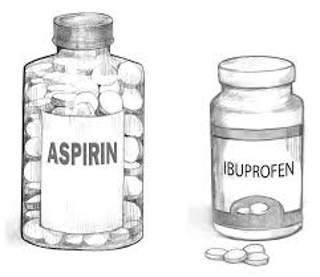
Podcast 790: Opioids vs OTC Pain Meds

Podcast 790: Opioids vs OTC Pain Meds

Contributor: Aaron Lessen, MD Educational Pearls: NSAIDs are a potential alternative to opioids for pain management and are associated with decreased rates of adverse effects A recent study evaluated...

14 Kesä 20223min

Podcast 789: DOAC

Podcast 789: DOAC

Contributor: Aaron Lessen, MD Educational Pearls: Direct Oral Anticoagulants (DOACs) have surpassed Warfarin and Lovenox® for anticoagulation as they do not require injection and allow for easier di...

13 Kesä 20223min

Suosittua kategoriassa Tiede

tiedekulma-podcast
rss-mita-tulisi-tietaa
rss-poliisin-mieli
docemilia
rss-duodecim-lehti
utelias-mieli
rss-astetta-parempi-elama-podcast
rss-luontopodi-samuel-glassar-tutkii-luonnon-ihmeita
filocast-filosofian-perusteet
rss-ammamafia
rss-tiedetta-vai-tarinaa
rss-lapsuuden-rakentajat-podcast
rss-sosiopodi