Podcast 576: Status Epilepticus Drugs

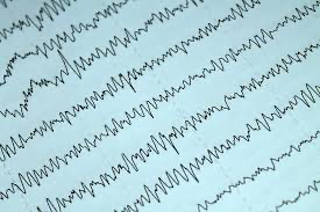
Podcast 576: Status Epilepticus Drugs

Author: Charlene Gnisci Melton, PharmD

Educational Pearls:

  • Status Epilepticus is defined as continuous seizure activity for >5 minutes, or 2 or more seizures without full return to consciousness between events
  • Status epilepticus is a true neurologic emergency with significant morbidity and mortality
  • Aggressive, early treatment of status epilepticus is essential as GABA receptors will regress over time and make benzodiazepines less effective as time elapses
  • Go large with doses of benzodiazepines and repeat doses if necessary: In adults this means lorazepam 4 mg IV push or Midazolam 10 mg intramuscular if no IV access
  • Second line agents include:
    • Levetiracetam (Keppra) 60 mg/kg up to 4500mg
    • Valproic Acid (40 mg/kg up to 3000 mg)
    • Keppra has an arguably better side effect profile and compatibility compared to other second-line agents
  • Third line agents include intubation and sedation with propofol, benzodiazepines, or even ketamine

Editor's note: from a time management perspective, call for your second-line treatment early to get it from pharmacy while you slam the benzodiazepines, then it will be arriving hopefully when you need it, and no harm if you don't. Oh, and don't forget a fingerstick glucose.

References

Glauser T, Shinnar S, Gloss D, et al. Evidence-Based Guideline: Treatment of Convulsive Status Epilepticus in Children and Adults: Report of the Guideline Committee of the American Epilepsy Society. Epilepsy Curr. 2016;16(1):48–61. doi:10.5698/1535-7597-16.1.48

Walker, M.C. Pathophysiology of status epilepticus. Neuroscience Letters. 2018:667:84-91. https://doi.org/10.1016/j.neulet.2016.12.044

Summarized by Jackson Roos, MS3 | Edited by Erik Verzemnieks, MD

Jaksot(1146)

Podcast #271: Nexus Chest CT Scan Guidelines

Podcast #271: Nexus Chest CT Scan Guidelines

Author: Chris Holmes, M.D. Educational Pearls The nexus chest CT scan rule is based on an 11,000 subject, multicenter study that looked for signs following a trauma that predicted significant finding...

13 Marras 20173min
Podcast #270: Wound Botulism

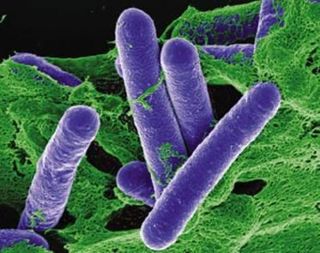
Podcast #270: Wound Botulism

Author: Don Stader, M.D. Educational Pearls Wound botulism should be considered in patients with cutaneous lesions and neuromuscular weakness. The toxin produced by clostridium botulinum is the c...

10 Marras 20173min

Podcast #269: Tattoo Ink Complications

Podcast #269: Tattoo Ink Complications

Author: Michael Hunt, M.D. Educational Pearls Tattoo ink is applied below the skin, and because of this, they can lead to keloids, granulomas, tetanus, hepatitis B and C, and skin infections. Tattoo...

8 Marras 20174min
Podcast #268: Poiseuille's Law

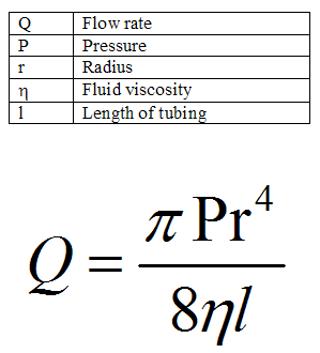
Podcast #268: Poiseuille's Law

Author: Dave Rosenberg, M.D. Educational Pearls Poiseuille's Law addresses the flow of a fluid through a tube. Many common ED presentations involve alterations in flow: asthma, MI, ischemic stroke, ...

6 Marras 20176min

Podcast #267: Causes of Very High Lactate

Podcast #267: Causes of Very High Lactate

Author: Dylan Luyten, M.D. Educational Pearls Lactate is a byproduct of anaerobic metabolism, a sign of dying tissue. Dangerous causes of high lactates will not normalize with repeat labs. Crush inju...

3 Marras 20173min
Podcast #266: MI in Young Patients

Podcast #266: MI in Young Patients

Author: John Winkler, M.D. Educational Pearls Some risk factors for MI in the young are history of CAD, stimulant drug use, coronary spasm and diabetes. In those with diffuse ST elevations on EKG, th...

1 Marras 20171min
Podcast #265: The 2017 Flu Vaccine

Podcast #265: The 2017 Flu Vaccine

Author: Rachel Beham, PharmD, Advanced Clinical Pharmacist - Emergency Medicine Educational Pearls CDC recommends using the inactivated, injectable flu vaccine in those 6 months and older. The live a...

30 Loka 20174min
Podcast #264: Witnessed Cardiac Arrest

Podcast #264: Witnessed Cardiac Arrest

Author: Aaron Lessen, M.D. Educational Pearls For patients with in-hospital cardiac arrest, intubation in the 1st 15 minutes of resuscitation was associated with worse outcomes (mortality, neurologic...

27 Loka 20172min

Suosittua kategoriassa Tiede

tiedekulma-podcast
rss-mita-tulisi-tietaa
rss-poliisin-mieli
docemilia
rss-duodecim-lehti
utelias-mieli
rss-astetta-parempi-elama-podcast
rss-luontopodi-samuel-glassar-tutkii-luonnon-ihmeita
filocast-filosofian-perusteet
rss-ammamafia
rss-tiedetta-vai-tarinaa
rss-lapsuuden-rakentajat-podcast
rss-sosiopodi