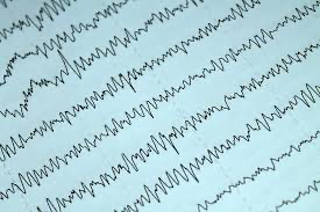

Podcast 576: Status Epilepticus Drugs

Podcast 576: Status Epilepticus Drugs

Author: Charlene Gnisci Melton, PharmD

Educational Pearls:

  • Status Epilepticus is defined as continuous seizure activity for >5 minutes, or 2 or more seizures without full return to consciousness between events
  • Status epilepticus is a true neurologic emergency with significant morbidity and mortality
  • Aggressive, early treatment of status epilepticus is essential as GABA receptors will regress over time and make benzodiazepines less effective as time elapses
  • Go large with doses of benzodiazepines and repeat doses if necessary: In adults this means lorazepam 4 mg IV push or Midazolam 10 mg intramuscular if no IV access
  • Second line agents include:
    • Levetiracetam (Keppra) 60 mg/kg up to 4500mg
    • Valproic Acid (40 mg/kg up to 3000 mg)
    • Keppra has an arguably better side effect profile and compatibility compared to other second-line agents
  • Third line agents include intubation and sedation with propofol, benzodiazepines, or even ketamine

Editor's note: from a time management perspective, call for your second-line treatment early to get it from pharmacy while you slam the benzodiazepines, then it will be arriving hopefully when you need it, and no harm if you don't. Oh, and don't forget a fingerstick glucose.

References

Glauser T, Shinnar S, Gloss D, et al. Evidence-Based Guideline: Treatment of Convulsive Status Epilepticus in Children and Adults: Report of the Guideline Committee of the American Epilepsy Society. Epilepsy Curr. 2016;16(1):48–61. doi:10.5698/1535-7597-16.1.48

Walker, M.C. Pathophysiology of status epilepticus. Neuroscience Letters. 2018:667:84-91. https://doi.org/10.1016/j.neulet.2016.12.044

Summarized by Jackson Roos, MS3 | Edited by Erik Verzemnieks, MD

Jaksot(1145)

Episode 913: Vasopressors after ROSC

Episode 913: Vasopressors after ROSC

Contributor: Travis Barlock MD Educational Pearls: Recent study assessed outcomes after ROSC with epinephrine vs. norepinephrine Observational multicenter study from 2011-2018 285 patients rece...

23 Heinä 20241min

Podcast 912: Narcan (Naloxone)

Podcast 912: Narcan (Naloxone)

Contributor: Taylor Lynch, MD Educational Pearls: Opioid Epidemic- quick facts Drug overdoses, primarily driven by opioids, have become the leading cause of accidental death in the U.S. for individu...

15 Heinä 20246min

Episode 911: Anticholinergic Toxicity

Episode 911: Anticholinergic Toxicity

Contributor: Taylor Lynch MD Educational Pearls: Anticholinergics are found in many medications, including over-the-counter remedies Medications include: Diphenhydramine Tricyclic antidepressa...

8 Heinä 20247min

Episode 910: Cellulitis Recovery Timeline

Episode 910: Cellulitis Recovery Timeline

Contributor: Aaron Lessen, MD Educational Pearls: How fast does cellulitis recover? A recent prospective cohort study took a look at this question. The study included 300 adults with cellulitis ...

2 Heinä 20241min

Episode 909: Prehospital Blood Pressure Management in Suspected Stroke

Episode 909: Prehospital Blood Pressure Management in Suspected Stroke

Contributor: Aaron Lessen MD Educational Pearls: A recent study assessed EMS treatment of high blood pressure in the field 2404 patients randomized to prehospital treatment (1205) vs. usual care ...

24 Kesä 20242min

Episode 908: Sympathomimetic Drugs

Episode 908: Sympathomimetic Drugs

Contributor: Taylor Lynch MD Educational Pearls: Overview: Sympathomimetic drugs mimic the fight or flight response, affecting monoamines such as dopamine, norepinephrine, and epinephrine Limited th...

17 Kesä 20247min

Episode 907: Wide-Complex Tachycardia

Episode 907: Wide-Complex Tachycardia

Contributor: Travis Barlock MD Educational Pearls: Wide-complex tachycardia is defined as a heart rate > 100 BPM with a QRS width > 120 milliseconds Wide-complex tachycardia of supraventricular or...

12 Kesä 20243min

Episode 906: Case Study of Hypernatremia

Episode 906: Case Study of Hypernatremia

Contributor: Aaron Lessen MD Educational Pearls: The case: A gentleman came in from a nursing home with symptoms concerning for sepsis. He was hypotensive, hypoxic, febrile, and mentally altered. ...

3 Kesä 20243min

Suosittua kategoriassa Tiede

tiedekulma-podcast
rss-mita-tulisi-tietaa
rss-poliisin-mieli
docemilia
radio-antro
utelias-mieli
filocast-filosofian-perusteet
rss-sosiopodi
ihanat-ipanat
mielipaivakirja
rss-bios-podcast
rss-duodecim-lehti
rss-ammamafia
rss-laakaripodi
rss-opeklubi