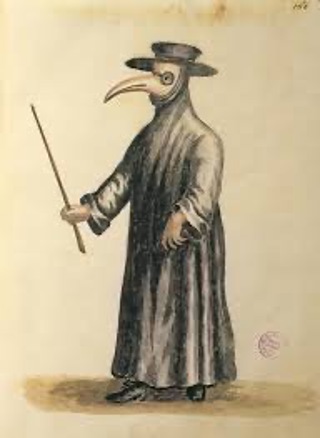

Podcast 579:  Yersinia Pestis

Podcast 579: Yersinia Pestis

Contributor: Don Stader, MD

Educational Pearls:

  • Yersinia Pestis is the bacteria that caused the black plague. It was first discovered to be the cause of the bubonic plague in 1800s in China during the 3rd bubonic plague where 10-20 million people died
  • Causes 3 types of plague:
    • Bubonic plague: characterized by severe swelling of lymph nodes called buboes, most commonly in the groin, also axillary and olecranon lymph nodes.
    • Septicemic plague: characterized by severe sepsis, no lymphadenopathy. This strain famously causes disseminated intravascular coagulopathy (DIC) and can lead to limb necrosis and fingers turning black. Hence the name the Black Death.
    • Pneumonic: most dangerous of the plagues and characterized by PNA on CXR with pronounced mediastinal lymphadenopathy
  • Fleas are the largest reservoir, although prairie dogs and squirrels have been known to carry the bacteria as well.
  • Yersinia Pestis creates a microfilm inside the stomach of fleas and renders them incapable of digesting your blood when they try to eat it and they vomit the bacteria into your blood.
  • Doxycycline and Ciprofloxacin are the mainstay of treatment.

References

Achtman M, Zurth K, Morelli G, Torrea G, Guiyoule A. Carniel E. Yersinia pestis, the cause of plague, is a recently emerged clone of Yersinia pseudotuberculosis. Proc Natl Acad Sci U S A. 1999. doi:10.1073/pnas.96.24.14043

Galimand M, Carniel E, Courvalin P. Resistance of Yersinia pestis to Antimicrobial Agents. Antimicrob Agents Chemother. 2006;50(10):3233 LP - 3236. doi:10.1128/AAC.00306-06

Sexton D, Stout J. Clinical Manifestations, Diagnosis, And Treatment Of Plague (Yersinia Pestis Infection). Waltham, MA: UpToDate; 2020.

Summarized by Mason Tuttle & Jackson Roos, MS4 | Edited by Erik Verzemnieks, MD


Jaksot(1146)

Podcast #256: Fentanyl Ingestion

Podcast #256: Fentanyl Ingestion

Authors: Don Stader, M.D & Rachael Duncan, PharmD BCPS BCCCP Educational Pearls Fentanyl patches may be abused in many ways, including changing the patches more frequently, chewing them, extracting t...

2 Loka 20175min

Deep Dive #6: Bacteriuria and the Elderly

Deep Dive #6: Bacteriuria and the Elderly

Author: Heidi Wald, MD, MSPH Associate Professor of Medicine - University of Colorado School of Medicine, Physician Advisor - Colorado Hospital Association Dr. Heidi Wald explains common misconceptio...

25 Syys 201729min
Podcast #255: Posterior Vitreous Detachment

Podcast #255: Posterior Vitreous Detachment

Author: Erik Verzemnieks, M.D. Educational Pearls Posterior vitreous detachment is the tearing of the lining in the back of of the eye. Patients often present with loss of vision and floaters. Diagno...

22 Syys 20171min

Podcast #254: Myths About Antibiotic Course Length

Podcast #254: Myths About Antibiotic Course Length

Author: Chris Holmes, M.D. Educational Pearls There's little/no data about the necessary length of an antibiotic course, nor has it proven that stopping a course of antibiotics early selects for the ...

20 Syys 20174min

Podcast #253: Total Eclipse of the Eye - Solar Retinopathy

Podcast #253: Total Eclipse of the Eye - Solar Retinopathy

Author: Nick Hatch, M.D. Educational Pearls Photic or solar retinitis occurs when you stare at the sun. The refractive power of the lens of the eye concentrates the light of the sun on the retina, st...

18 Syys 20173min
Podcast #252: Mandible Fractures

Podcast #252: Mandible Fractures

Author: Sam Killian, M.D. Educational Pearls The tongue blade test is done for mandible fractures, which make up 40-60% of facial fractures. The test is done by having the patient bite down on a tong...

15 Syys 20174min
Podcast #251: Cyanide Poisoning

Podcast #251: Cyanide Poisoning

Author: Rachel Beham, PharmD, Advanced Clinical Pharmacist – Emergency Medicine Educational Pearls Cyanide poisoning is suspected in patients who present with lactic acidosis after being trapped arou...

13 Syys 20174min

Podcast #250: Desmopressin

Podcast #250: Desmopressin

Author: Rachael Duncan, PharmD BCPS BCCCP Educational Pearls Desmopressin is an ADH mimetic and helps retain water, release von Willibrand Factor (in high doses), and treat diabetes insipidus (in low...

11 Syys 20173min

Suosittua kategoriassa Tiede

tiedekulma-podcast
rss-mita-tulisi-tietaa
rss-poliisin-mieli
rss-duodecim-lehti
docemilia
utelias-mieli
filocast-filosofian-perusteet
rss-ammamafia
rss-astetta-parempi-elama-podcast
rss-luontopodi-samuel-glassar-tutkii-luonnon-ihmeita
rss-sosiopodi
rss-tiedetta-vai-tarinaa












