
Podcast 579:  Yersinia Pestis

Podcast 579: Yersinia Pestis

Contributor: Don Stader, MD

Educational Pearls:

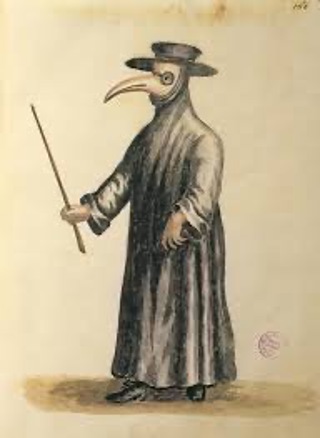
  • Yersinia Pestis is the bacteria that caused the black plague. It was first discovered to be the cause of the bubonic plague in 1800s in China during the 3rd bubonic plague where 10-20 million people died
  • Causes 3 types of plague:
    • Bubonic plague: characterized by severe swelling of lymph nodes called buboes, most commonly in the groin, also axillary and olecranon lymph nodes.
    • Septicemic plague: characterized by severe sepsis, no lymphadenopathy. This strain famously causes disseminated intravascular coagulopathy (DIC) and can lead to limb necrosis and fingers turning black. Hence the name the Black Death.
    • Pneumonic: most dangerous of the plagues and characterized by PNA on CXR with pronounced mediastinal lymphadenopathy
  • Fleas are the largest reservoir, although prairie dogs and squirrels have been known to carry the bacteria as well.
  • Yersinia Pestis creates a microfilm inside the stomach of fleas and renders them incapable of digesting your blood when they try to eat it and they vomit the bacteria into your blood.
  • Doxycycline and Ciprofloxacin are the mainstay of treatment.

References

Achtman M, Zurth K, Morelli G, Torrea G, Guiyoule A. Carniel E. Yersinia pestis, the cause of plague, is a recently emerged clone of Yersinia pseudotuberculosis. Proc Natl Acad Sci U S A. 1999. doi:10.1073/pnas.96.24.14043

Galimand M, Carniel E, Courvalin P. Resistance of Yersinia pestis to Antimicrobial Agents. Antimicrob Agents Chemother. 2006;50(10):3233 LP - 3236. doi:10.1128/AAC.00306-06

Sexton D, Stout J. Clinical Manifestations, Diagnosis, And Treatment Of Plague (Yersinia Pestis Infection). Waltham, MA: UpToDate; 2020.

Summarized by Mason Tuttle & Jackson Roos, MS4 | Edited by Erik Verzemnieks, MD


Jaksot(1145)

Podcast 849: Large Vessel Occlusions

Podcast 849: Large Vessel Occlusions

Contributor: Travis Barlock MD Educational Pearls:  Large Vessel Occlusion (LVO) is a condition where a clot blocks one of the major blood vessels in the brain, leading to a stroke. What are the vesse...

1 Touko 20233min
Podcast 848: Non-Traditional RSI

Podcast 848: Non-Traditional RSI

Contributor: Meghan Hurley, MD Educational Pearls: Two main reasons to choose non-traditional RSI Anatomically challenging airway Physiologically difficult patients: hypoxia, metabolic acidosi...

24 Huhti 20235min

Podcast 847: ECMO CPR

Podcast 847: ECMO CPR

Contributor: Aaron Lessen, MD Educational Pearls: Extracorporeal Membrane Oxygenation (ECMO) has been attempted as an adjunct to CPR during cardiac arrest but few studies on outcomes exist One prior...

6 Helmi 20233min
Podcast 846: Early Repolarization vs. Anterior STEMI

Podcast 846: Early Repolarization vs. Anterior STEMI

Contributor: Travis Barlock, MD Educational Pearls: Early repolarization a benign EKG pattern that can mimic an anterior STEMI Can be seen in the anterior leads typically in young male patients Can d...

30 Tammi 20232min

Podcast 845: Hyperkalemic Cardiac Arrest

Podcast 845: Hyperkalemic Cardiac Arrest

Contributor: Aaron Lessen, MD Educational Pearls: Hyperkalemia may cause cardiac arrest Treatment of suspected hyperkalemic cardiac arrest begins with typical management of cardiac arrest including ...

16 Tammi 20234min
Podcast 844: Dental Infections

Podcast 844: Dental Infections

Contributor: Meghan Hurley, MD Educational Pearls: Educational Pearls: Dental infections can be categorized into two main groups Infections of the gums Pericoronitis Tooth eruption leading to infl...

10 Tammi 20234min

Podcast 843: Commotio Cordis

Podcast 843: Commotio Cordis

Contributor: Jared Scott, MD Educational Pearls: Commotio cordis is sudden ventricular fibrillation precipitated by direct impact to the chest A national registry, US Commotio Cordis Registry, repor...

9 Tammi 20234min
Podcast 842: "History of Wound Care"

Podcast 842: "History of Wound Care"

Contributor: Chris Holmes, MD Educational Pearls: Through world history, there have been various interesting approaches to wound care Ancient Egyptians applied honey, lint, and grease which provided ...

4 Tammi 20234min

Suosittua kategoriassa Tiede

tiedekulma-podcast
rss-mita-tulisi-tietaa
rss-poliisin-mieli
docemilia
rss-duodecim-lehti
rss-sosiopodi
radio-antro
filocast-filosofian-perusteet
rss-ammamafia
utelias-mieli
mielipaivakirja
rss-bios-podcast
rss-astetta-parempi-elama-podcast
rss-tiedetta-vai-tarinaa
rss-luontopodi-samuel-glassar-tutkii-luonnon-ihmeita