

Podcast 579:  Yersinia Pestis

Podcast 579: Yersinia Pestis

Contributor: Don Stader, MD

Educational Pearls:

  • Yersinia Pestis is the bacteria that caused the black plague. It was first discovered to be the cause of the bubonic plague in 1800s in China during the 3rd bubonic plague where 10-20 million people died
  • Causes 3 types of plague:
    • Bubonic plague: characterized by severe swelling of lymph nodes called buboes, most commonly in the groin, also axillary and olecranon lymph nodes.
    • Septicemic plague: characterized by severe sepsis, no lymphadenopathy. This strain famously causes disseminated intravascular coagulopathy (DIC) and can lead to limb necrosis and fingers turning black. Hence the name the Black Death.
    • Pneumonic: most dangerous of the plagues and characterized by PNA on CXR with pronounced mediastinal lymphadenopathy
  • Fleas are the largest reservoir, although prairie dogs and squirrels have been known to carry the bacteria as well.
  • Yersinia Pestis creates a microfilm inside the stomach of fleas and renders them incapable of digesting your blood when they try to eat it and they vomit the bacteria into your blood.
  • Doxycycline and Ciprofloxacin are the mainstay of treatment.

References

Achtman M, Zurth K, Morelli G, Torrea G, Guiyoule A. Carniel E. Yersinia pestis, the cause of plague, is a recently emerged clone of Yersinia pseudotuberculosis. Proc Natl Acad Sci U S A. 1999. doi:10.1073/pnas.96.24.14043

Galimand M, Carniel E, Courvalin P. Resistance of Yersinia pestis to Antimicrobial Agents. Antimicrob Agents Chemother. 2006;50(10):3233 LP - 3236. doi:10.1128/AAC.00306-06

Sexton D, Stout J. Clinical Manifestations, Diagnosis, And Treatment Of Plague (Yersinia Pestis Infection). Waltham, MA: UpToDate; 2020.

Summarized by Mason Tuttle & Jackson Roos, MS4 | Edited by Erik Verzemnieks, MD


Jaksot(1146)

Podcast # 489: Bats & Rabies

Podcast # 489: Bats & Rabies

Contributor: Jared Scott, MD Educational Pearls: The CDC recommends rabies prophylaxis if there was a direct encounter with a possibly rabid animal except... Bats are treated differently since their ...

18 Heinä 20193min

Podcast # 488: Dalbavancin

Podcast # 488: Dalbavancin

Contributor: Nick Hatch, MD Educational Pearls: Dalbavancin (Dalvance®) is an antibiotic that can be used for skin and soft tissue infections, providing MRSA coverage It cannot be used in other infec...

15 Heinä 20193min

Podcast # 487: Hunting for Epiglottitis

Podcast # 487: Hunting for Epiglottitis

Contributor: Michael Hunt, MD Educational Pearls: Due to the efficacy of vaccination, epiglottitis is now more common in adults than children Risk factors include smoking and other immunocompromising...

10 Heinä 20193min
Podcast # 486: Morel Mushrooms

Podcast # 486: Morel Mushrooms

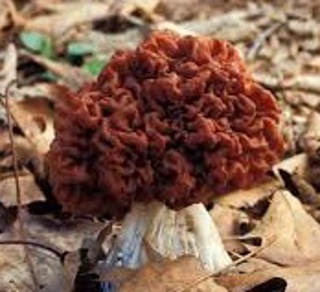
Contributor: Nick Hatch, MD Educational Pearls: True morel mushrooms are commonly foraged The false morel mushroom (Gyromitra esculenta) looks similar to the true morel, but is toxic False morel mush...

8 Heinä 20194min

Podcast # 485: Cerebellar Stroke

Podcast # 485: Cerebellar Stroke

Contributor: Jared Scott, MD Educational Pearls: Cerebellar strokes make up a disproportionate number of missed or delayed diagnosis for stroke likely due to the subtle nature of the presentation Cer...

6 Heinä 20195min

Podcast # 484: Elevated ICP

Podcast # 484: Elevated ICP

Contributor: Charleen Gnisci, PharmD Educational Pearls: Causes of increased intracranial pressure may include intracranial hemorrhage, malignancy, and trauma. While definite treatment is to remove ...

4 Heinä 20196min

Podcast # 483: Dual Antiplatelet Therapy in TIA

Podcast # 483: Dual Antiplatelet Therapy in TIA

Contributor: Don Stader, MD Educational Pearls: Antiplatelets include aspirin and clopidogrel, and are generally used for arterial clotting (MI, stroke) Anticoagulants such as coumadin, Xarelto, Eliq...

28 Kesä 20192min

Podcast # 482: Tetracyclines and Hyperpigmentation

Podcast # 482: Tetracyclines and Hyperpigmentation

Contributor: Michael Hunt, MD Educational Pearls: Tetracycline antibiotics such as minocycline can cause greyish hyperpigmentation This hyperpigmentation can sometimes be reversible but not always Mi...

26 Kesä 20193min

Suosittua kategoriassa Tiede

rss-poliisin-mieli
tiedekulma-podcast
rss-mita-tulisi-tietaa
docemilia
rss-luontopodi-samuel-glassar-tutkii-luonnon-ihmeita
rss-duodecim-lehti
utelias-mieli
radio-antro
rss-astetta-parempi-elama-podcast
rss-lapsuuden-rakentajat-podcast
rss-lihavuudesta-podcast
rss-sosiopodi