On the Streets #9: Advanced Applications of Capnography

On the Streets #9: Advanced Applications of Capnography

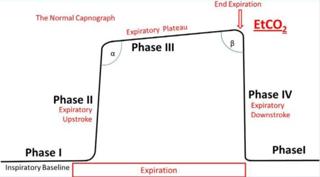
Capnography is the measurement of the partial pressure of exhaled CO2 and is an indirect measurement of your cellular respiration. It is displayed visually as a block-like waveform during the exhalation phase of respiration and monitors ventilation in real-time. Capnography is the gold standard for monitoring sedated and intubated patients in the hospital and the field and can be used in many other situations to discern more information about your patient.

Our host Jordan Ourada is joined by Dr. Eric Hill who is a board certified Emergency Physician, EMS Director for 9 agencies around Colorado, a retired military physician with the Army, former paramedic firefighter and combat veteran to discuss advanced applications of capnography to monitor a range of different patients in the pre-hospital setting. Tune in to learn how to apply capnography to monitor your patients and detect serious conditions like sepsis and DKA and initiate time-sensitive interventions that reduce mortality in patients.

Quick Educational Pearls:

  1. Normal range is between 35 - 45 mmHg
  2. Low capnography indicates they are blowing off CO2
  3. High capnography indicates they are retaining CO2
  4. Normal waveform morphology is box-like with gradual expiratory plateau after expiratory upstroke
  5. Monitor your patient's status and interpret the capnography numbers, rate and waveforms accordingly

Time Stamps

1:32 Capnography definition

6:36 Normal range

7:40 Reading capnography waveforms

12:36 Capnography monitoring in sedated/intubated patients

13:36 Intubation monitoring

18:03 VQ match vs mismatch

21:42 Asthmatic patients

24:30 Capnography cannula

26:24 Cardiac arrest uses

31:28 Acid-base physiology

37:28 Diabetic patients

40:15 COPD patients

41:42 CHF patients

45:18 Head injury patients

52:07 Sepsis detection and subsequent prehospital management

1:08:15 Closing thoughts on using capnography in the field

REFERENCES

  • Brandt, P. "Current Capnography Field Uses." JEMS. 2010, Nov.

  • DiCorpo,P.,etal."CapnographyProvidesBiggerPhysiological

    Picture to Maximize Patient Care." JEMS. 2015, Nov.

  • Eckstein,M.,etal."End-tidalCO2asapredictorofsurvivalinout-of- hospital cardiac arrest." Prehosp Disaster Med. 2011 Jun;26(3):148-50

  • Kodali,B."Physicsofcapnography."2014

  • Poste,J.,etal."Airmedicaltransportofseverelyhead-injured patients undergoing paramedic rapid sequence intubation." Air Med J. 2004 Jul-Aug;23(4):36-40

  • Davis, D., et al. "Predictors of Intubation Success and Therapeutic Value of Paramedic Airway Management in a Large, Urban EMS System." Prehospital Emergency Care. 2006: Vol. 10, Iss. 3.

  • Grmec, S. "Comparison of three different methods to confirm endotracheal tube placement in emergency intubation." Intensive Care Medicine. 2002; 28: 701-4.

  • Silvestri, et al. "The Effectiveness of out of hospital use of continuous end-tidal carbon dioxide monitoring on the rate of unrecognized misplaced intubation within a regional emergency medical services system." Ann Emerg Med. 2005; 45: 497- 503.

  • Hartman, et al. "Systematic Review and Meta- Analysis of End-Tidal Carbon Dioxide Values Associated With Return of Spontaneous Circulation During Cardiopulmonary Resuscitation." Journal Intensive Care Med. 2015, Oct;30 (7) 426-35.

  • Levine, et al. "End-tidal carbon dioxide and outcome of out-of-hospital cardiac arrest." N England J Med. 1997, Jul 31; 337(5): 301-6.

  • AHA 2015 Guidelines Update for Cardiopulmonary Resuscitation and Emergency Cardiovascular Care Science With Treatment Recommendations

  • Hunter CL, et al. "A prehospital screening tool utilizing end-tidal carbon dioxide predicts sepsis and severe sepsis." American Journal of Emergency Medicine. 2016 May; 34(5):813-819.

  • Bou Chebi, R, et al. "Diagnostic value of end tidal capnography in patients with hyperglycemia in the emergency department." BMC Emerg Med. 2016 Jan 29; 16:7

  • Soleimanpour, H, et al. "Predictive value of capnography for suspected diabetic ketoacidosis in the emergency department." West J Emerg Med. 2013;14(6): 590-4.

The Emergency Medical Minute is excited to announce that we are now offering AMA PRA Category 1 credits™ via online course modules. To access these and for more information, visit our website at www.emergencymedicalminute.com/cme-courses/ and create an account.

Jaksot(1147)

Podcast # 344: Foley troubleshooting

Podcast # 344: Foley troubleshooting

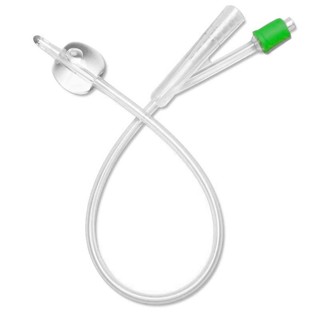
Author: Aaron Lessen, MD. Educational Pearls: When foley is stuck, balloon may not have deflated. Make sure balloon is not in the urethra, which can block drainage. Cut off the port as it may b...

22 Kesä 20183min
Podcast # 343: Snake Bites

Podcast # 343: Snake Bites

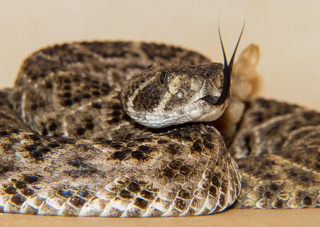
Educational Pearls: Snake bites commonly occur between April and October. Rattlesnake bites are the most common. Venom contains proteins/enzymes that cause local inflammation, coagulopathy, and...

20 Kesä 20186min
Podcast # 342: Scombroid

Podcast # 342: Scombroid

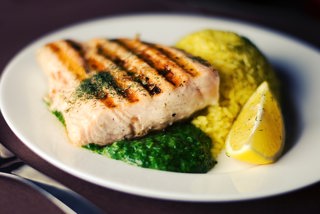
Author: Jared Scott, MD Educational Pearls: Scombroid is a type of food poisoning associated with dark fish (i.e. tuna, salmon, mackerel) that mimics anaphylaxis. Occurs through conversion of histi...

18 Kesä 20184min
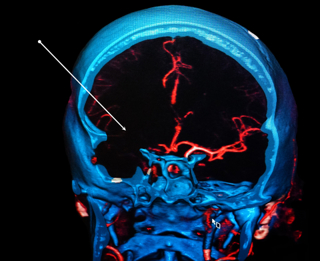
Podcast # 341: Tenecteplase vs. Alteplase

Podcast # 341: Tenecteplase vs. Alteplase

Author: Rachel Beham, PharmD Educational Pearls: Tenecteplase is more specific for fibrin and has a longer half-life than alteplase. In setting of ischemic stroke, tenecteplase before thrombectomy ...

13 Kesä 20183min
Podcast # 340: Drowning

Podcast # 340: Drowning

Author: Chris Holmes, MD Educational Pearls: Epidemiology: 80% male, ages 1-4 at greatest risk, African-American > Caucasian. Freshwater and ocean water may have more bacteria than pool water. ...

11 Kesä 20185min
Podcast # 339: Ectopic Pregnancy Risk Factors

Podcast # 339: Ectopic Pregnancy Risk Factors

Author: Jared Scott, MD Educational Pearls: Data is mixed, but some studies show 1-2% of pregnancies are ectopic. Risk factors for ectopic pregnancies include: pelvic inflammatory disease, prior ec...

8 Kesä 20185min
Podcast # 338: Mononucleosis predictors

Podcast # 338: Mononucleosis predictors

Author: Chris Holmes, MD Educational Pearls: Symptoms commonly seen with mononucleosis are palatal petechiae, posterior cervical lymphadenopathy, inguinal/axillary lymphadenopathy, splenomegaly, and/...

6 Kesä 20182min
Podcast # 337: Airway Burn Inhalation

Podcast # 337: Airway Burn Inhalation

Author: John Winkler, MD Educational Pearls: Singed nasal hairs, soot around mouth, hoarse voice, drooling, and burns to head/face are signs suggestive of inhalation injury. Early intubation is cri...

4 Kesä 20186min

Suosittua kategoriassa Tiede

rss-poliisin-mieli
rss-mita-tulisi-tietaa
tiedekulma-podcast
rss-luontopodi-samuel-glassar-tutkii-luonnon-ihmeita
utelias-mieli
rss-duodecim-lehti
radio-antro
docemilia
filocast-filosofian-perusteet
rss-tervetta-skeptisyytta
rss-lihavuudesta-podcast
rss-sosiopodi