

Mental Health Monthly #5: Borderline Personality Disorder

Mental Health Monthly #5: Borderline Personality Disorder

For this episode of Mental Health Monthly, EMM is honored to collaborate with the hosts of Millennial Mental Health Channel podcast to explain Borderline Personality Disorder and tips to manage patients with this diagnosis in the Emergency Department. Dr. Justin Romano is a third year psychiatry resident in Omaha, Nebraska and Eddie Carrillo is a licensed mental health therapist currently working at partial hospitalization and IOP eating disorder program in Portland, Oregon. Their podcast Millennial Mental Health Channel seeks to explore the world of mental health from their two professional perspectives.

You can listen to their podcast on all major streaming platforms including Apple Podcasts, Spotify and Google Podcasts.

Follow them on Twitter and Instagram @millennialmhc

Contributors: Dr. Justin Romano and Eddie Carrillo, M.A., LPC

Educational Pearls:

  • 4% of the general population has Bipolar Personality Disorder (BPD) and 9% of all emergency room visits involve patients with BPD.
  • BPD is defined as a pervasive pattern of instability of interpersonal relationships, self-image, affect and marked impulsivity beginning by early adulthood and present in a variety of contexts.
  • There are 9 symptoms of BPD. In order to meet criteria for diagnosis you need 5 of the 9.
  • Symptoms include:
    • Frantic efforts to avoid real or imagined abandonment
    • Pattern of unstable and intense interpersonal relationships, characterized by alternating between extremes of idealization and devaluation
    • Identity disturbance: markedly and persistently unstable self-image or sense of self
    • Impulsivity in at least two areas that are potentially self-damaging
    • Recurrent suicidal behaviors, gestures, threats or self-mutilating behavior
    • Affect instability due to marked reactivity of mood
    • Chronic feelings of emptiness
    • Inappropriate intense anger or difficulty controlling anger
    • Transient stress related paranoid ideation or severe dissociative symptoms
  • Pathophysiology behind BPD: Overactivation of the amygdala within the limbic system which controls fear, anxiety and anger.
  • Often patients with BPD have dealt with an increased amount of trauma in their lives. They have one of the highest suicide rates at 10%.
  • Behaviors in individuals with BPD are often due to an invalidating environment in an attempt to reconnect with people they love.
  • Tips to managing patients in the emergency room with BPD.
  • Stay calm, consistent and caring and validate their feelings with:
    • Body language: sit at eye level, make good eye contact, nod your head when they talk, and use repeat back clarification questions.
    • Facial expressions: be cognizant of your facial expressions. Patients with BPD are more likely to interpret a neutral face as angry.
    • Set boundaries and stick to your word. Patients with BPD can be described as manipulative, but often they are unaware they are doing this.
    • Give validating statements. This will ensure the patient you are listening and working with them to solve their problems.

Summarized by Emily Mack, OMSIII

Jaksot(1145)

Podcast #293: Transient Global Amnesia

Podcast #293: Transient Global Amnesia

Author: Sam Killian, M.D. Educational Pearls Transient global amnesia is a paroxysmal, transient memory issue. Remote and immediate memory is preserved, but new memories cannot be made. Patients will...

19 Tammi 20184min

Podcast #292: Hypercalcemia

Podcast #292: Hypercalcemia

Author: John Winkler, M.D. Educational Pearls Normally, the parathyroid is the master regulator of serum Ca levels. It secretes PTH, which stimulates calcium uptake from the bone and gut. Causes of ...

17 Tammi 20182min
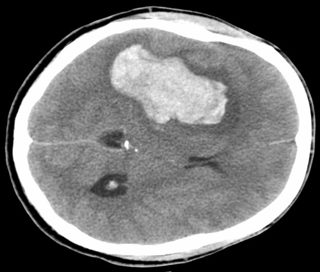
Podcast #291: Cincinnati Stroke Scale

Podcast #291: Cincinnati Stroke Scale

Author: Nick Hatch, M.D. Educational Pearls The Cincinnati Stroke Scale uses 3 measures to screen for ischemic stroke. The measures are: facial asymmetry, speech quality and arm drift. This scale is ...

15 Tammi 20182min
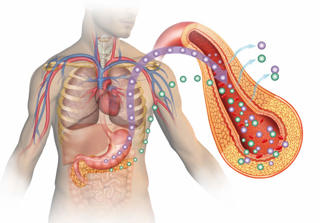
Podcast #290: The Biochemistry of DKA

Podcast #290: The Biochemistry of DKA

Author: Dave Rosenberg, M.D. Educational Pearls DKA commonly causes hyperkalemia, leading to peaked T-waves on ECG. However, DKA causes hypokalemia at the same time. In DKA, glucose cannot be taken i...

12 Tammi 20186min

Podcast #289: Cannabinoid Hyperemesis

Podcast #289: Cannabinoid Hyperemesis

Author: Dylan Luyten, M.D. Educational Pearls Cannabinoid Hyperemesis syndrome is a relatively new diagnosis that presents with vomiting and abdominal pain without a clear etiology in the setting of ...

10 Tammi 20183min
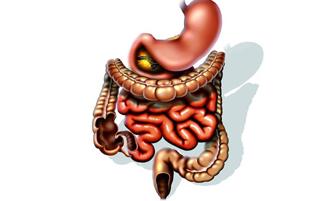
Podcast #288: Diarrhea

Podcast #288: Diarrhea

Author: Peter Bakes, M.D. Educational Pearls Chronic diarrhea is defined as 3 or more loose, watery stools lasting more than 2-3 weeks. Look for clues in the history, including travel (could suggest...

8 Tammi 20187min
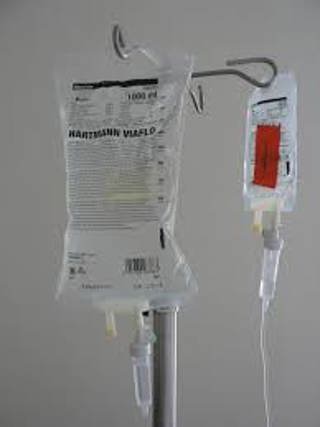
Podcast #287: Sepsis Bundles

Podcast #287: Sepsis Bundles

Author: Aaron Lessen, M.D. Educational Pearls Treatment "bundles" are a popular approach to the rapid resuscitation of septic patients. A recent study in New York, where sepsis bundles are mandatory,...

5 Tammi 20182min

Podcast #286: Coronary Vascular Conditions that aren't STEMI

Podcast #286: Coronary Vascular Conditions that aren't STEMI

Author: Don Stader, M.D. Educational Pearls While we usually associate the coronary vasculature with STEMIs, there are other pathologies that can affect the heart's blood supply. Kounis syndrome: an ...

3 Tammi 20184min

Suosittua kategoriassa Tiede

tiedekulma-podcast
rss-mita-tulisi-tietaa
rss-poliisin-mieli
rss-duodecim-lehti
docemilia
radio-antro
filocast-filosofian-perusteet
rss-ammamafia
rss-luontopodi-samuel-glassar-tutkii-luonnon-ihmeita
rss-sosiopodi
utelias-mieli
rss-astetta-parempi-elama-podcast
rss-tiedetta-vai-tarinaa