

Mental Health Monthly #5: Borderline Personality Disorder

Mental Health Monthly #5: Borderline Personality Disorder

For this episode of Mental Health Monthly, EMM is honored to collaborate with the hosts of Millennial Mental Health Channel podcast to explain Borderline Personality Disorder and tips to manage patients with this diagnosis in the Emergency Department. Dr. Justin Romano is a third year psychiatry resident in Omaha, Nebraska and Eddie Carrillo is a licensed mental health therapist currently working at partial hospitalization and IOP eating disorder program in Portland, Oregon. Their podcast Millennial Mental Health Channel seeks to explore the world of mental health from their two professional perspectives.

You can listen to their podcast on all major streaming platforms including Apple Podcasts, Spotify and Google Podcasts.

Follow them on Twitter and Instagram @millennialmhc

Contributors: Dr. Justin Romano and Eddie Carrillo, M.A., LPC

Educational Pearls:

  • 4% of the general population has Bipolar Personality Disorder (BPD) and 9% of all emergency room visits involve patients with BPD.
  • BPD is defined as a pervasive pattern of instability of interpersonal relationships, self-image, affect and marked impulsivity beginning by early adulthood and present in a variety of contexts.
  • There are 9 symptoms of BPD. In order to meet criteria for diagnosis you need 5 of the 9.
  • Symptoms include:
    • Frantic efforts to avoid real or imagined abandonment
    • Pattern of unstable and intense interpersonal relationships, characterized by alternating between extremes of idealization and devaluation
    • Identity disturbance: markedly and persistently unstable self-image or sense of self
    • Impulsivity in at least two areas that are potentially self-damaging
    • Recurrent suicidal behaviors, gestures, threats or self-mutilating behavior
    • Affect instability due to marked reactivity of mood
    • Chronic feelings of emptiness
    • Inappropriate intense anger or difficulty controlling anger
    • Transient stress related paranoid ideation or severe dissociative symptoms
  • Pathophysiology behind BPD: Overactivation of the amygdala within the limbic system which controls fear, anxiety and anger.
  • Often patients with BPD have dealt with an increased amount of trauma in their lives. They have one of the highest suicide rates at 10%.
  • Behaviors in individuals with BPD are often due to an invalidating environment in an attempt to reconnect with people they love.
  • Tips to managing patients in the emergency room with BPD.
  • Stay calm, consistent and caring and validate their feelings with:
    • Body language: sit at eye level, make good eye contact, nod your head when they talk, and use repeat back clarification questions.
    • Facial expressions: be cognizant of your facial expressions. Patients with BPD are more likely to interpret a neutral face as angry.
    • Set boundaries and stick to your word. Patients with BPD can be described as manipulative, but often they are unaware they are doing this.
    • Give validating statements. This will ensure the patient you are listening and working with them to solve their problems.

Summarized by Emily Mack, OMSIII

Jaksot(1145)

Podcast # 366: Ehlers Danlos

Podcast # 366: Ehlers Danlos

Podcast # 366: Ehlers Danlos Author: Gretchen Hinson, MD. Educational Pearls: Heritable mutation in collagen synthesis and expression commonly resulting in joint hyperextension and skin elasticity....

15 Elo 20184min

Podcast # 365: Renal Trigger Point Injections

Podcast # 365: Renal Trigger Point Injections

Author: Erik Verzemnieks, MD Educational Pearls: Single study in Japan demonstrated possible effectiveness of renal colic trigger point Patients had injection at the area of maximal tenderness on...

13 Elo 20181min
Podcast # 364: Other causes of ST elevation

Podcast # 364: Other causes of ST elevation

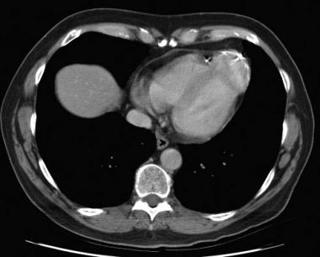
Author: Peter Bakes, MD Educational Pearls: Pericarditis, LBBB, LVH and left ventricular aneurysms can all present with ST elevation. Ventricular aneurysm will present days after a cardiac event ...

10 Elo 20186min

Podcast # 363:  Ketamine for Alcohol Withdrawal

Podcast # 363: Ketamine for Alcohol Withdrawal

Educational Pearls: Recent study has shown adjunctive ketamine can be useful in setting of alcohol withdrawal. Ketamine was associated with a decrease in the amount of benzodiazepines needed, lik...

8 Elo 20182min

Podcast # 362: Giant Hogweed

Podcast # 362: Giant Hogweed

Author: John Winkler, MD Educational Pearls: Tall flowering plant with phototoxic sap Direct skin contact with the sap can cause the skin to become photosensitive Severe blisters and even burns...

6 Elo 20182min

Podcast # 361: Vertiginous Dizziness

Podcast # 361: Vertiginous Dizziness

Author: Peter Bakes, MD Educational Pearls: Important to find out if patients mean dysequilibrium, lightheadedness, or vertigo when patients say they are "dizzy." Differentiate central vs. periph...

3 Elo 20186min
Podcast # 360: Epidural Abscess Screening

Podcast # 360: Epidural Abscess Screening

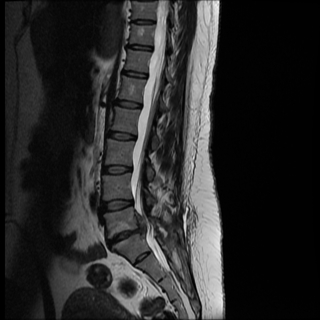
Author: Dylan Luyten, MD. Educational Pearls:   Dangerous causes of back pain: AAA, cauda equina syndrome, epidural abscess. Young person with back pain needs to be evaluated for injection drug use...

2 Elo 20184min
Podcast # 359: Normal EKG

Podcast # 359: Normal EKG

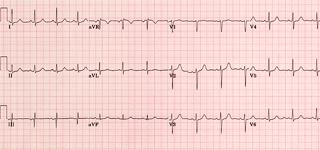
Author: Sam Killian, MD. Educational Pearls: Computer interpretation has a very good negative predictive value of a normal EKG (99%). Of 222 interpreted as "normal," 13 were deemed to have some a...

31 Heinä 20184min

Suosittua kategoriassa Tiede

tiedekulma-podcast
rss-mita-tulisi-tietaa
rss-poliisin-mieli
rss-duodecim-lehti
docemilia
utelias-mieli
filocast-filosofian-perusteet
rss-ammamafia
rss-astetta-parempi-elama-podcast
rss-luontopodi-samuel-glassar-tutkii-luonnon-ihmeita
rss-sosiopodi
rss-tiedetta-vai-tarinaa