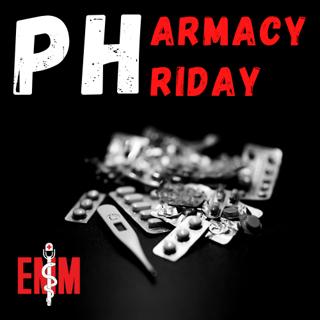

Pharmacy Phriday #6: Tik Tok Benadryl Challenge and Diphenhydramine Toxicity

Pharmacy Phriday #6: Tik Tok Benadryl Challenge and Diphenhydramine Toxicity

Contributor: Ruben Marrero-Vasquez, PharmD

Educational Pearls:

  • ACEP and FDA have both issued warnings about the viral Tik Tok Benadryl (diphenhydramine) challenge where individuals voluntarily overdose on diphenhydramine which can cause fatal toxicity
  • Diphenhydramine is typically dosed at 0.5-1 mg/kg in pediatric patients Q4-6 PRN and carries a fatal dose of 20-40 mg/kg but anywhere from 3-5x recommended dose does can cause toxicity
  • Diphenhydramine toxicity causes both central and peripheral anticholinergic toxicity
    • Central anticholinergic toxicity symptoms: delirium, agitation, combativeness, confusion, restlessness, hallucinations, ataxia, tremor and seizures
    • Peripheral anticholinergic toxicity symptoms: tachycardia, dry flushed skin, dry mucus membranes, thick secretions, dilation of pupils, urinary retention, and decreased bowel sounds
  • Pneumatic to help you remember anticholinergic toxidrome:
    • Red as a beet
    • Dry as a bone
    • Blind as a bat
    • Mad as a hatter
    • Hot as a hare
    • Full as a flask
  • Management typically only requires supportive care, agitation from central anticholinergic delirium can be hardest aspect to treat, IV benzodiapines are first line treatment to control and may require large doses to prevent rhabdomyolysis and hyperthermia
  • Diphenhydramine toxicity has been associated with blockade of sodium and potentially potassium channels increasing risk of arrhythmia and seizures. Cardiac changes can include: QRS widening, myocardial depression, QT prolongation and torasades-type ventricular tachycardia.
    • Wide QRS complexes indicate delayed ventricular depolarization caused by sodium channel blockade, bolus of sodium bicarbonate can be used dosed 1-2 mEq/kg followed by continuous infusion
    • Prolonged QT: restoration of low serum potassium and magnesium to high normal range
  • Benzodiazipines should be used as first line therapy for toxin induced seizures
    • Don't use fosphenytoin or phenytoin sodium channel blockers as they can worsen cardiac conduction

References

  1. Olson KR, Anderson IB, Benowitz NL, Blanc PD, Clark RF, Kearney TE, Kim-Katz SY, Wu AH. Diphenhydramine. In: Poisoning & Drug Overdose. 7th ed.McGraw Hll; 2018: 544-545.
  2. FDA Warns About Serious Problems With High Doses Of The Allergy Medicine Diphenhydramine (Benadryl).(09/24/2020). CDC website. Accessed December 01, 2020. https://www.fda.gov/drugs/drug-safety-and-availability/fda-warns-about-serious-problems-high-doses-allergy-medicine-diphenhydramine-benadryl.
  3. Su M, Goldman M. Anticholinergic Poisoning. UpToDate. https://www.uptodate.com/contents/anticholinergic-poisoning?search=diphenhydramine overdose&source=search_result&selectedTitle=1~150&usage_type=default&display_rank=1. Published October 6, 2020. Accessed December 26, 2020.

Summarized by Mason Tuttle

Jaksot(1145)

Episode 951: Pediatric Febrile Seizures

Episode 951: Pediatric Febrile Seizures

Contributor: Taylor Lynch, MD Educational Pearls: Pediatric febrile seizures are defined as seizures that occur between the ages of six months to five years in the presence of a fever greater than o...

7 Huhti 20256min

Episode 950: Ultrasound Pulse Check During Cardiac Arrest

Episode 950: Ultrasound Pulse Check During Cardiac Arrest

Contributor: Aaron Lessen, MD Educational Pearls: Point-of-care ultrasound (POCUS) is used to assess cardiac activity during cardiac arrest and can identify potential reversible causes such as peric...

31 Maalis 20252min

Episode 949: Hoover's Sign

Episode 949: Hoover's Sign

Contributor: Travis Barlock, MD Educational Pearls: What is Hoover's sign used to identify? This physical exam maneuver differentiates between organic vs. functional (previously known as psychogenic...

24 Maalis 20251min

Episode 948: CYP Inducers and Inhibitors

Episode 948: CYP Inducers and Inhibitors

Contributor: Jorge Chalit-Hernandez, OMS3 Educational Pearls: CYP enzymes are responsible for the metabolism of many medications, drugs, and other substances CYP3A4 is responsible for the majorit...

17 Maalis 20253min

Episode 947: Hypercapnia

Episode 947: Hypercapnia

Educational Pearls: Physiologic stimulation of ventilation occurs through changes in levels of: Arterial carbon dioxide (PaCO2) Arterial oxygen (PaO2) Hypercapnia is an elevated level of CO2...

10 Maalis 20253min

Episode 946: Time to Defibrillation

Episode 946: Time to Defibrillation

Contributor: Aaron Lessen, MD Educational Pearls: Quick background info Cardiac arrest is when the heart stops pumping blood for any reason. This is different from a heart attack in which the heart ...

3 Maalis 20252min

Episode 945: Ketorolac vs. Ibuprofen

Episode 945: Ketorolac vs. Ibuprofen

Contributor: Ricky Dhaliwal, MD Educational Pearls:  Ketorolac and ibuprofen are NSAIDs with equivalent efficacy for pain in the emergency department Oral ibuprofen provides the same relief as in...

24 Helmi 20253min

Episode 944: Colchicine Overdose

Episode 944: Colchicine Overdose

Contributor: Aaron Lessen, MD Educational Pearls: Colchicine is most commonly used for the prevention and treatment of gout There is research investigating the anti-inflammatory and cardioprotect...

17 Helmi 20253min

Suosittua kategoriassa Tiede

tiedekulma-podcast
rss-mita-tulisi-tietaa
rss-poliisin-mieli
docemilia
radio-antro
utelias-mieli
rss-sosiopodi
ihanat-ipanat
mielipaivakirja
filocast-filosofian-perusteet
rss-bios-podcast
rss-laakaripodi
rss-radplus
rss-opeklubi