
Podcast 645: Necrotizing Enterocolitis and More

Podcast 645: Necrotizing Enterocolitis and More

Contributor: Peter Bakes, MD

Educational Pearls:

  • Necrotizing Enterocolitis (NEC)
    • Presents in the first few days of life (often in the NICU) to 3 weeks old
    • Risk factors include prematurity, excess feeding, neonatal sepsis
    • Pneumatosis Intestinalisis on abdominal xray caused by bacterial translocation into the bowel wall
    • Treated with NG tube, bowel rest and surgical resection
  • Other causes of pediatric abdominal pain
    • Malrotation with volvulus
      • Malrotation is caused by failure of intestinal rotation in the 8th-12th week of development
      • Presents with bilious vomiting, which is a surgical emergency in a neonate
      • 90% of cases present in the first year of life, with most of these presenting in the first month
      • Diagnosed with an upper GI series
    • Pyloric Stenosis
      • Typically in males <2 months of age who present with signs of dehydration in the setting of non-bilious vomiting
      • Diagnosed with abdominal ultrasound and treated surgically
    • Intussusception
      • Typically presents between 2 months and 2 years with a palpable mass in the RUQ
      • Diagnosed with abdominal ultrasound
    • Duodenal atresia
      • Congenital stricture in the duodenum
      • Presents with bilious vomiting and a double-bubble on abdominal xray

References

Alwan R, Drake M, Gurria Juarez J, Emery KH, Shaaban AF, Szabo S, Sobolewski B. A Newborn With Abdominal Pain. Pediatrics. 2017 Nov;140(5):e20164267. doi: 10.1542/peds.2016-4267. PMID: 29042421.

Hostetler MA, Schulman M. Necrotizing enterocolitis presenting in the Emergency Department: case report and review of differential considerations for vomiting in the neonate. J Emerg Med. 2001 Aug;21(2):165-70. doi: 10.1016/s0736-4679(01)00371-7. PMID: 11489407.

Summarized by John Spartz, MS3

Jaksot(1145)

Podcast #220: A-Fib Cardioversion

Podcast #220: A-Fib Cardioversion

Author: Aaron Lessen, M.D. Educational Pearls Atrial fibrillation is common. One of the best treatments for a fib is cardioversion back into sinus rhythm. Cardioversion may increase stroke risk if A-...

23 Kesä 20172min

Podcast #219: History of Sepsis

Podcast #219: History of Sepsis

Author: Chris Holmes, M.D. Educational Pearls "Sepo' is a term from Homer (author of The Iliad and The Odyssey), and means "I rot". Hippocrates in 400 BC identified sepsis as a "dangerous decay withi...

21 Kesä 20176min

Podcast #218: Estimating Pediatric Weight

Podcast #218: Estimating Pediatric Weight

Author: Aaron Lessen, M.D. Educational Pearls Asking parents and Broselow Tape are common options for estimating pediatric weight. Equipment sizes should not be adjusted for under/overweight kids bas...

19 Kesä 20172min
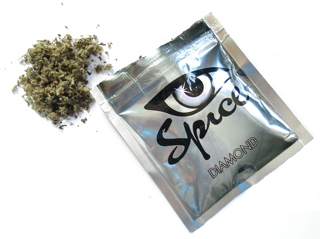
Podcast #217: Designer Drugs

Podcast #217: Designer Drugs

Author: John Winkler, M.D. Educational Pearls: Designer, or "synthetic" drugs include bath salts, synthetic THC, and many others. Many of these drugs are originally manufactured in China and are ship...

17 Kesä 20173min

Podcast #216: Roller Coasters and Kidney Stones

Podcast #216: Roller Coasters and Kidney Stones

Author: Aaron Lessen, M.D. Educational Pearls: Anecdotal evidence suggests that roller coasters may help with kidney stones. A recent study used a model of a kidney and ureter with different sized s...

13 Kesä 20171min

Opioid MIniseries Part IV: Harm Reduction

Opioid MIniseries Part IV: Harm Reduction

PRACTICE RECOMMENDATIONS 1. Patients who abuse opioids should be managed without judgement; addiction is a medical condition and not a moral failing. Caregivers should endeavor to meet patients "where...

8 Kesä 201748min
Opioid Miniseries Part III: Alternative to Opioids

Opioid Miniseries Part III: Alternative to Opioids

PRACTICE RECOMMENDATIONS 1. All emergency departments should implement ALTO programs and provide opioid-free pain treatment pathways for the following conditions: a. Acute on chronic opioid-tolerant r...

8 Kesä 201749min

Opioid Miniseries Part II: Limiting Opioids in the Emergency Department

Opioid Miniseries Part II: Limiting Opioids in the Emergency Department

RACTICE RECOMMENDATIONS 1. Opioids are inherently dangerous, highly addictive drugs with significant abuse potential, numerous side effects, lethality in overdose, rapid development of tolerance, and ...

8 Kesä 20171h 8min

Suosittua kategoriassa Tiede

tiedekulma-podcast
rss-mita-tulisi-tietaa
rss-poliisin-mieli
docemilia
rss-duodecim-lehti
rss-sosiopodi
radio-antro
filocast-filosofian-perusteet
rss-ammamafia
utelias-mieli
mielipaivakirja
rss-bios-podcast
rss-astetta-parempi-elama-podcast
rss-tiedetta-vai-tarinaa
rss-luontopodi-samuel-glassar-tutkii-luonnon-ihmeita