
Podcast 645: Necrotizing Enterocolitis and More

Podcast 645: Necrotizing Enterocolitis and More

Contributor: Peter Bakes, MD

Educational Pearls:

  • Necrotizing Enterocolitis (NEC)
    • Presents in the first few days of life (often in the NICU) to 3 weeks old
    • Risk factors include prematurity, excess feeding, neonatal sepsis
    • Pneumatosis Intestinalisis on abdominal xray caused by bacterial translocation into the bowel wall
    • Treated with NG tube, bowel rest and surgical resection
  • Other causes of pediatric abdominal pain
    • Malrotation with volvulus
      • Malrotation is caused by failure of intestinal rotation in the 8th-12th week of development
      • Presents with bilious vomiting, which is a surgical emergency in a neonate
      • 90% of cases present in the first year of life, with most of these presenting in the first month
      • Diagnosed with an upper GI series
    • Pyloric Stenosis
      • Typically in males <2 months of age who present with signs of dehydration in the setting of non-bilious vomiting
      • Diagnosed with abdominal ultrasound and treated surgically
    • Intussusception
      • Typically presents between 2 months and 2 years with a palpable mass in the RUQ
      • Diagnosed with abdominal ultrasound
    • Duodenal atresia
      • Congenital stricture in the duodenum
      • Presents with bilious vomiting and a double-bubble on abdominal xray

References

Alwan R, Drake M, Gurria Juarez J, Emery KH, Shaaban AF, Szabo S, Sobolewski B. A Newborn With Abdominal Pain. Pediatrics. 2017 Nov;140(5):e20164267. doi: 10.1542/peds.2016-4267. PMID: 29042421.

Hostetler MA, Schulman M. Necrotizing enterocolitis presenting in the Emergency Department: case report and review of differential considerations for vomiting in the neonate. J Emerg Med. 2001 Aug;21(2):165-70. doi: 10.1016/s0736-4679(01)00371-7. PMID: 11489407.

Summarized by John Spartz, MS3

Jaksot(1145)

Podcast #201: Task Interruption

Podcast #201: Task Interruption

Author: Mark Kozlowski M.D. Educational Pearls: Humans cannot "multitask" effectively - a more accurate term is "task interruption." When doing more than one task at once, we are more likely to forge...

8 Touko 20173min

Podcast #200: Non-traumatic Back Pain

Podcast #200: Non-traumatic Back Pain

Author: Don Stader M.D. Educational Pearls: Non-traumatic back pain is a very common complaint in the Emergency Department. Conditions that can manifest with back pain include: ruptured abdominal aor...

6 Touko 20172min
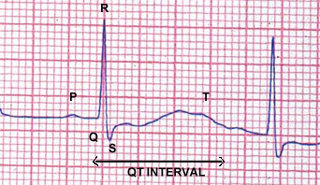
Podcast #199: Prolonged QT with Zofran

Podcast #199: Prolonged QT with Zofran

Author: Arthur Lessen M.D. Educational Pearls: Zofran (ondansetron) is generally safe to use for the treatment of nausea and vomiting. However, it can prolong the QT interval and increase the chance ...

4 Touko 20173min

Podcast #198: Imodium

Podcast #198: Imodium

Author: Aaron Lessen M.D. Educational Pearls: Imodium (loperamide) is a mu-opioid receptor agonist. Traditionally, it is used as an anti-diarrheal. It is also abused recreationally for an opioid high...

2 Touko 20173min
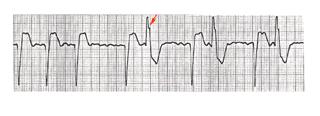
Podcast #197: Ashman Phenomenon

Podcast #197: Ashman Phenomenon

Author: Dylan Luyten M.D. Educational Pearls: Ashman's Phenomenon occurs in the setting atrial fibrillation and mimics ventricular tachycardia, but is harmless. On ECG, the pattern of Ashman Phenomen...

30 Huhti 20171min
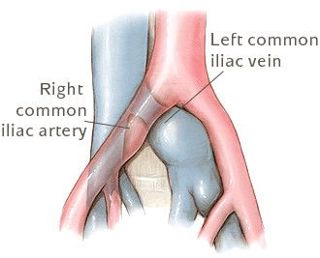
Podcast #196: DVT and May-Thurner Syndrome

Podcast #196: DVT and May-Thurner Syndrome

Author: Samuel Killian M.D. Educational Pearls: Lower extremity DVTs are extremely common. There are more left lower extremity DVT due to anatomical variation. May-Thurner Syndrome is a form of anato...

28 Huhti 20172min

Podcast #195: How to Properly Inject Heroin

Podcast #195: How to Properly Inject Heroin

Author: Don Stader, M.D Educational Pearls: It is important for providers to know how to use IV drugs properly so that they can instruct their patients on how to avoid injury. Heroin use is increasin...

26 Huhti 20177min
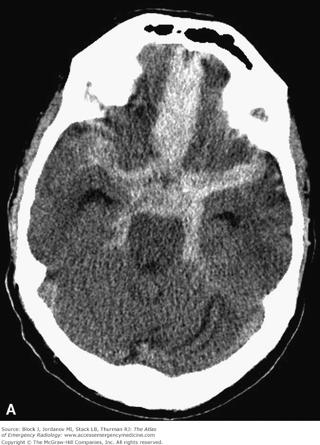
Podcast #194: Atruamatic ICH

Podcast #194: Atruamatic ICH

Author: Peter Bakes, M.D Educational Pearls Intracerebral hemorrhage is an intracranial bleed within the brain tissue or ventricles. Subarachnoid aneurysm causes about 50% of all ICH. Amyloid deposit...

24 Huhti 20179min

Suosittua kategoriassa Tiede

tiedekulma-podcast
rss-mita-tulisi-tietaa
rss-poliisin-mieli
docemilia
radio-antro
rss-duodecim-lehti
rss-ammamafia
rss-sosiopodi
utelias-mieli
ihanat-ipanat
mielipaivakirja
filocast-filosofian-perusteet
rss-bios-podcast
rss-tiedetta-vai-tarinaa