Mental Health Monthly #14: Substance-Induced Psychosis (Part II)

Mental Health Monthly #14: Substance-Induced Psychosis (Part II)

In this second episode of a two-part mini-series, we feature Dr. Nadia Haddad, a Colorado psychiatrist, and Dr. Ricky Dhaliwal, an emergency medicine physician, as they discuss the various treatment modalities for substance-induced psychosis. They explore pharmacologic treatments, inpatient and outpatient treatments, and ways that emergency providers can improve their care for psychiatric patients with comorbid medical conditions. Lastly, they consider the different causes for repeat visits from mentally ill patients.

Key Points:

  • Pharmacologic treatments for substance-induced psychosis are similar to those for other types of psychosis; these include medications like Zyprexa, Haldol, and, as a third-line treatment, IM Thorazine.
  • Droperidol is used more commonly in the emergency setting, compared with the psychiatric setting.
  • Given the risk for respiratory depression from Zyprexa combined with benzodiazepines, psychiatrists may choose to use Thorazine or Haldol/Ativan/Benadryl instead.
  • It is important to reassess patients after substances wear off to determine whether they meet criteria for admission to inpatient psychiatry, though psychiatric assessments are limited by geographic constraints.
  • The admitting psychiatry team will reassess the patient to differentiate substance-induced psychosis vs other psychoses; often this includes obtaining collateral.
  • Helpful notes from the ED include: medications administered or restraints placed (can help extrapolate a patient's level of agitation), vital signs, prior records.
  • Some people will be more open about suicidality while intoxicated and less open about it while sober so it is important to obtain additional information for corroboration.
  • On average, patients stay in the detox unit for 3-4 days, though some may stay longer for protracted substance-induced psychosis if they have a long-standing history of daily substance use.
  • It is important to discharge patients with quick follow-up and potential placement into the various mental health programs including partial hospitalization, residential, or outpatient programs.
  • Emergency rooms can improve by taking psychiatric patients seriously, especially when they are transferred to the hospital from a psychiatric facility for medical management.
  • Repeat visits stem partially from the ambivalence that accompanies substance use disorders, including patients' difficulty in giving up the substance due the purpose it may serve in their lives.
  • Many substance use disorder programs are siloed from the medical system, which pose a challenge to interdisciplinary communication.

Jaksot(1150)

Podcast 853: Critical Care Medications - Vasopressors

Podcast 853: Critical Care Medications - Vasopressors

Contributor: Travis Barlock MD Educational Pearls: Three categories of pressors: inopressors, pure vasoconstrictors, and inodilators Inopressors:  Epinephrine - nonselective beta- and alpha-adr...

29 Touko 20235min

Podcast 852: Angioedema After Thrombolysis

Podcast 852: Angioedema After Thrombolysis

Contributor: Aaron Lessen, MD Educational Pearls: What is thrombolysis? Thrombolysis is performed by administration of a medication that promotes the body's natural ability to break up clots. These ...

22 Touko 20232min

Podcast 851: High-Dose Nitroglycerin in SCAPE

Podcast 851: High-Dose Nitroglycerin in SCAPE

Contributor: Aaron Lessen MD Educational Pearls: SCAPE (Sympathetic Crashing Acute Pulmonary Edema), formerly known as flash pulmonary edema, is a life-threatening condition due to a sudden sympathet...

15 Touko 20233min

Podcast 850: Cardiac Arrest - Entertainment vs. Reality

Podcast 850: Cardiac Arrest - Entertainment vs. Reality

Contributor: Travis Barlock, MD Educational Pearls: Sudden Cardiac Arrest (SCA) is defined as when the heart suddenly stops beating. Immediate treatment for SCA includes Cardiopulmonary Resuscitation ...

8 Touko 20232min

Mental Health Monthly #15: Psychosis in the ED: Part I

Mental Health Monthly #15: Psychosis in the ED: Part I

Contributors: Andrew White MD & Travis Barlock MD In this episode of Mental Health Monthly, Dr. Andrew White, a practicing psychiatrist with an addiction medicine fellowship, and Dr. Travis Barlock, a...

3 Touko 202331min

Podcast 849: Large Vessel Occlusions

Podcast 849: Large Vessel Occlusions

Contributor: Travis Barlock MD Educational Pearls:  Large Vessel Occlusion (LVO) is a condition where a clot blocks one of the major blood vessels in the brain, leading to a stroke. What are the vesse...

1 Touko 20233min

Podcast 848: Non-Traditional RSI

Podcast 848: Non-Traditional RSI

Contributor: Meghan Hurley, MD Educational Pearls: Two main reasons to choose non-traditional RSI Anatomically challenging airway Physiologically difficult patients: hypoxia, metabolic acidosi...

24 Huhti 20235min
Podcast 847: ECMO CPR

Podcast 847: ECMO CPR

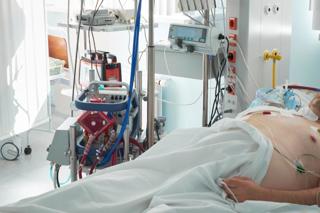
Contributor: Aaron Lessen, MD Educational Pearls: Extracorporeal Membrane Oxygenation (ECMO) has been attempted as an adjunct to CPR during cardiac arrest but few studies on outcomes exist One prior...

6 Helmi 20233min

Suosittua kategoriassa Tiede

tiedekulma-podcast
rss-mita-tulisi-tietaa
rss-poliisin-mieli
rss-duodecim-lehti
docemilia
mielipaivakirja
filocast-filosofian-perusteet
rss-metsantuntijat-podcast
rss-ylistys-elaimille
university-of-eastern-finland
utelias-mieli
radio-antro
rss-bios-podcast
rss-ranskaa-raakana
rss-astetta-parempi-elama-podcast
rss-tiedetta-vai-tarinaa
rss-luontopodi-samuel-glassar-tutkii-luonnon-ihmeita
rss-lihavuudesta-podcast
rss-sosiopodi