Podcast 862: How to Apply a Painful Stimulus

Podcast 862: How to Apply a Painful Stimulus

Contributor: Travis Barlock MD

Educational Pearls:

When might you need to apply a painful stimulus in a medical setting?

  • The main reason is to assess the patient's level of consciousness, such as when they are waking up from anesthesia or have potentially suffered a brain injury.

  • It can be part of the Glasgow Coma Scale (GCS) if patients are not responding to auditory stimuli.

  • Possible levels of consciousness include Alert, Lethargic, Obtunded, and Comatose (ALOC)

What are the approved ways to apply a painful stimulus to assess central nervous system function?

  • Trapezius squeeze. Grab the trapezius muscle and twist (contraindicated in clavicle fractures).

  • Supraorbital rim pressure. Find the notch in the supraorbital rim of the patient and push hard with your thumb (contraindicated in facial fractures).

  • Mandibular pressure (not mentioned). Press hard at the angle of the jaw on the mandibular nerve (contraindicated in mandible fractures).

  • Sternal rub. Push down with your knuckles into the patient's sternum and rub vigorously (contraindicated in chest injury/surgery).

  • Each technique should be done for between 15 and 30 seconds.

  • If skin damage is observed in one location, move to a different location. This is especially true of the sternal rub.

Important note: Peripheral techniques such as nail tip pressure should only be used to evaluate spinal nerve reflexes and not as a method of assessing the level of consciousness.

References

  1. Lower J. Using pain to assess neurologic response. Nursing. 2003 Jun;33(6):56-7. doi: 10.1097/00152193-200306000-00047. PMID: 12799591.

  2. Middleton PM. Practical use of the Glasgow Coma Scale; a comprehensive narrative review of GCS methodology. Australas Emerg Nurs J. 2012 Aug;15(3):170-83. doi: 10.1016/j.aenj.2012.06.002. Epub 2012 Aug 3. PMID: 22947690.

  3. Mistovich JJ, Krost W, Limmer DD. Beyond the basics: patient assessment. Emerg Med Serv. 2006 Jul;35(7):72-7; quiz 78-9. PMID: 16878751.

  4. Naalla R, Chitirala P, Chittaluru P, Atreyapurapu V. Sternal rub causing presternal abrasion in a patient with capsuloganglionic haemorrhage. BMJ Case Rep. 2014 Apr 7;2014:bcr2014204028. doi: 10.1136/bcr-2014-204028. PMID: 24711478; PMCID: PMC3987201.

Summarized by Jeffrey Olson, MS2 | Edited by Jorge Chalit, OMSII

Jaksot(1145)

On the Streets #12: Salient Pre-hospital Considerations for Neurosurgical Emergencies - a Smorgasbord Part II

On the Streets #12: Salient Pre-hospital Considerations for Neurosurgical Emergencies - a Smorgasbord Part II

In this podcast, we are back again with host, Jordan Ourada, and neurosurgeon, Dr. Eddie Tsvankin as they discuss an exciting and mind-blowing array of topics pertaining to neurosurgery. Listen as Dr....

20 Loka 202147min
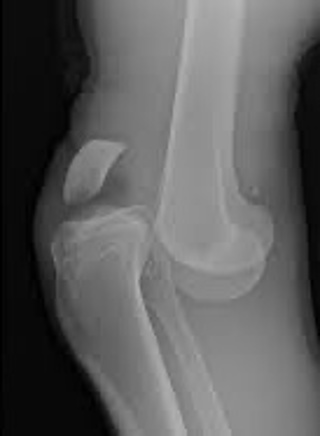
Podcast 722: Lower Extremity Dislocations

Podcast 722: Lower Extremity Dislocations

Contributor: Donald Stader, MD Educational Pearls: Hip Dislocation Prolonged dislocations can impair blood supply to femoral head Hip dislocation for >6 hours puts patient at high risk for needing ...

19 Loka 20216min

Podcast 721: Blakemore & Minnesota Tubes: Part II

Podcast 721: Blakemore & Minnesota Tubes: Part II

Contributor: Dylan Luyten, MD Educational Pearls: To place a Blakemore/Minnesota Tube: Insert into esophagus under visualization Inflate gastric port with 60 cc of air and obtain a chest xray to en...

18 Loka 20217min

On the Streets #11: Salient Pre-hospital Considerations for Neurosurgical Emergencies - a Smorgasbord

On the Streets #11: Salient Pre-hospital Considerations for Neurosurgical Emergencies - a Smorgasbord

On this episode of On The Streets, host, Jordan Ourada sits down with neurosurgeon/neurooncologist Dr. Eddie Tsvankin to discuss various topics concerning neurosurgery and how EMS workers in the field...

13 Loka 20211h 4min
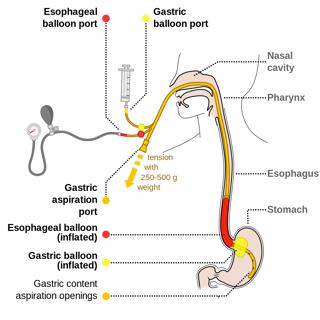
Podcast 720: Blakemore & Minnesota Tubes: Part I

Podcast 720: Blakemore & Minnesota Tubes: Part I

Contributor: Dylan Luyten, MD Educational Pearls: Minnesota Tube has an extra port for suctioning otherwise is the same as a Blakemore Tube Indicated in MASSIVE upper GI bleeding often due to esophag...

12 Loka 20215min

Podcast 719: Normal Saline vs. Tap Water for Wound Irrigation

Podcast 719: Normal Saline vs. Tap Water for Wound Irrigation

Contributor: Ricky Dhaliwal, MD Educational Pearls: Multiple RCTs and a Cochrane Review found there is no difference in wound infection rates when irrigating with tap water  Pressure of the water and...

11 Loka 20213min
Podcast 718: Renal Failure Follow Up

Podcast 718: Renal Failure Follow Up

Contributor: Aaron Lessen, MD Educational Pearls: Patients with acute renal failure often need medical management for hyperkalemia Those with severe electrolyte derangements or absent renal function ...

5 Loka 20213min
Podcast 717: A cautionary tale of renal failure

Podcast 717: A cautionary tale of renal failure

Contributor: Aaron Lessen, MD Educational Pearls: Hyperkalemia can cause EKG changes such as a widened QRS The fastest electrolyte results can be obtained off a VBG with electrolytes or point-of-car...

4 Loka 20213min

Suosittua kategoriassa Tiede

tiedekulma-podcast
rss-mita-tulisi-tietaa
rss-poliisin-mieli
docemilia
radio-antro
rss-duodecim-lehti
rss-ammamafia
rss-sosiopodi
utelias-mieli
ihanat-ipanat
mielipaivakirja
filocast-filosofian-perusteet
rss-bios-podcast
rss-tiedetta-vai-tarinaa