Podcast 862: How to Apply a Painful Stimulus

Podcast 862: How to Apply a Painful Stimulus

Contributor: Travis Barlock MD

Educational Pearls:

When might you need to apply a painful stimulus in a medical setting?

  • The main reason is to assess the patient's level of consciousness, such as when they are waking up from anesthesia or have potentially suffered a brain injury.

  • It can be part of the Glasgow Coma Scale (GCS) if patients are not responding to auditory stimuli.

  • Possible levels of consciousness include Alert, Lethargic, Obtunded, and Comatose (ALOC)

What are the approved ways to apply a painful stimulus to assess central nervous system function?

  • Trapezius squeeze. Grab the trapezius muscle and twist (contraindicated in clavicle fractures).

  • Supraorbital rim pressure. Find the notch in the supraorbital rim of the patient and push hard with your thumb (contraindicated in facial fractures).

  • Mandibular pressure (not mentioned). Press hard at the angle of the jaw on the mandibular nerve (contraindicated in mandible fractures).

  • Sternal rub. Push down with your knuckles into the patient's sternum and rub vigorously (contraindicated in chest injury/surgery).

  • Each technique should be done for between 15 and 30 seconds.

  • If skin damage is observed in one location, move to a different location. This is especially true of the sternal rub.

Important note: Peripheral techniques such as nail tip pressure should only be used to evaluate spinal nerve reflexes and not as a method of assessing the level of consciousness.

References

  1. Lower J. Using pain to assess neurologic response. Nursing. 2003 Jun;33(6):56-7. doi: 10.1097/00152193-200306000-00047. PMID: 12799591.

  2. Middleton PM. Practical use of the Glasgow Coma Scale; a comprehensive narrative review of GCS methodology. Australas Emerg Nurs J. 2012 Aug;15(3):170-83. doi: 10.1016/j.aenj.2012.06.002. Epub 2012 Aug 3. PMID: 22947690.

  3. Mistovich JJ, Krost W, Limmer DD. Beyond the basics: patient assessment. Emerg Med Serv. 2006 Jul;35(7):72-7; quiz 78-9. PMID: 16878751.

  4. Naalla R, Chitirala P, Chittaluru P, Atreyapurapu V. Sternal rub causing presternal abrasion in a patient with capsuloganglionic haemorrhage. BMJ Case Rep. 2014 Apr 7;2014:bcr2014204028. doi: 10.1136/bcr-2014-204028. PMID: 24711478; PMCID: PMC3987201.

Summarized by Jeffrey Olson, MS2 | Edited by Jorge Chalit, OMSII

Jaksot(1145)

Pharmacy Phriday #6: Tik Tok Benadryl Challenge and Diphenhydramine Toxicity

Pharmacy Phriday #6: Tik Tok Benadryl Challenge and Diphenhydramine Toxicity

Contributor: Ruben Marrero-Vasquez, PharmD Educational Pearls: ACEP and FDA have both issued warnings about the viral Tik Tok Benadryl (diphenhydramine) challenge where individuals voluntarily overdo...

1 Tammi 20216min
Mental Health Monthly #6: Suicide Assessment

Mental Health Monthly #6: Suicide Assessment

EMM is excited to welcome back the hosts of Millennial Mental Health Channel podcast to explain the key points of a robust suicide assessment in the ED. Dr. Justin Romano is a third year psychiatry re...

30 Joulu 202016min
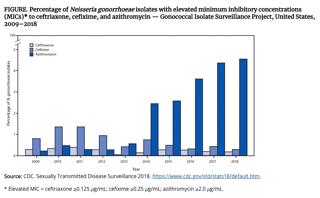
Podcast 626: Updated Gonorrhea Treatment

Podcast 626: Updated Gonorrhea Treatment

Educational Pearls: The CDC has made new formal recommendations for treating Gonorrhea due to increasing resistance to Rocephin and Azithromycin. New recommendations: Confirmed gonorrhea: Ceftriaxo...

29 Joulu 20204min

Podcast 625: High Altitude Cerebral Edema (HACE)

Podcast 625: High Altitude Cerebral Edema (HACE)

Contributor: Tom Seibert, MD Educational Pearls: High altitude cerebral edema (HACE) is the end stage of acute mountain sickness and is diagnosed when patients develop neurologic dysfunction, ataxia,...

28 Joulu 20202min

Podcast 624: Timing and Tips on Sepsis

Podcast 624: Timing and Tips on Sepsis

Contributor: Don Stader, MD Educational Pearls: Time can be an important factor in outcomes regarding sepsis including mortality Emphasis has grown on early administration of antibiotics and IV fluid...

22 Joulu 20203min
Podcast 623: Acute Mountain Sickness

Podcast 623: Acute Mountain Sickness

Contributor: Tom Seibert, MD Educational Pearls: Acute Mountain sickness (AMS) can cause headache along with fatigue, nausea, vomiting, insomnia Typically occurs above 6500 feet (not 65,000) in eleva...

21 Joulu 20204min

Podcast 622: High Altitude Pulmonary Edema (HAPE)

Podcast 622: High Altitude Pulmonary Edema (HAPE)

Contributor: Thomas Seibert, MD Educational Pearls: High Altitude Pulmonary Edema (HAPE) typically occurs 2-4 days after arriving at elevation Symptoms include: Fatigue Dyspnea Cough Treatment in...

15 Joulu 20204min

Podcast 621: Pediatric Psychosis

Podcast 621: Pediatric Psychosis

Contributor: Aaron Lessen, MD Educational Pearls: Schizophrenia typically doesn't present until age 13 and has a prodrome Prodrome includes months of gradual changes in behavior, starting with negati...

14 Joulu 20203min

Suosittua kategoriassa Tiede

tiedekulma-podcast
rss-mita-tulisi-tietaa
rss-poliisin-mieli
rss-duodecim-lehti
docemilia
radio-antro
filocast-filosofian-perusteet
rss-ammamafia
rss-luontopodi-samuel-glassar-tutkii-luonnon-ihmeita
rss-sosiopodi
utelias-mieli
rss-astetta-parempi-elama-podcast
rss-tiedetta-vai-tarinaa