

Mental Health Monthly #17: Mania

Mental Health Monthly #17: Mania

Contributors:

Andrew White MD - Outpatient Psychiatrist; Fellowship Trained in Addiction Psychiatry; Denver Health

Travis Barlock MD - Emergency Medicine Physician; Swedish Medical Center

Summary

In this episode of Mental Health Monthly, Dr. Travis Barlock hosts Dr. Andrew White to discuss the elements of mania that may be encountered in the emergency department. The discussion includes a helpful mnemonic to assess mania, work-up and treatment in the ED, underlying causes of mania, mental health holds, inpatient treatment, and the role of sleep in mania.

Educational Pearls

  • Initial assessment of suspected mania can be done via DIGFAST:

    • Distractibility - Individual that is unable to carry a linear, goal-directed conversation

    • Impulsivity - Executive functioning is impaired and patients are unable to control their behaviors

    • Grandiosity - Elevated mood and sense of self to delusions of grandeur

    • Flight of ideas - Usually described as racing thoughts

    • Agitation - Increase in psychomotor activity; start several projects of which they have little previous knowledge

    • Sleep decrease - Typically, manic episodes start with insomnia and can devolve into multiday sleeplessness

    • Talkativeness - More talkative than usual with pressured speech and a tangential thought process

  • Interviewing patients requires an understanding of mood-based mania vs. psychosis-based mania

    • An individual with mood-based mania will more likely be restless, whereas a patient with psychosis-based mania will be more relaxed from a psychomotor standpoint

  • Treatment of manic patients in the ED includes the use of antipsychotics to manage acute symptomatology

    • Management can be informed and directed by the patient's history i.e. known medications that have worked for the patient

  • ED management of manic patients involves a work-up for a broad differential including agitated delirium, substance-induced mania, metabolic disorders, and autoimmune diseases.

  • Some individuals experience manic episodes from marijuana and other illicit substances

  • Antidepressants used in bipolar patients for suspected depression may induce mania

    • Important to avoid using antidepressants as first-line therapy

  • Mental health holds can be beneficial in patients with grave disabilities from mania

    • Oftentimes, undertreatment of manic episodes leads to re-hospitalization

  • Inpatient treatment:

    • Environment is important - ensure that patients get solo rooms if possible to minimize stimulation

    • Antipsychotics, including risperidone and olanzapine, with or without a benzodiazepine, are useful for short-term agitation

    • Long-term treatment involves coupled pharmacological treatments with non-pharmacological treatments

  • Sleep

    • Fractured sleep is one of the earliest warning signs that someone has an imminent manic episode

    • Poor sleep can be an inciting factor for mania, which then turns into a cycle that further propagates a patient's manic episode

Summarized and edited by Jorge Chalit, OMSII | Studio production by Jeffrey Olson, MS2

Jaksot(1147)

Podcast #280: Isolated Aphasia in Stroke

Podcast #280: Isolated Aphasia in Stroke

Author: Aaron Lessen, M.D. Educational Pearls Patients with an ischemic stroke from occlusion of the left middle cerebral artery often present with aphasia in addition to other neurological deficits....

11 Joulu 20171min

Podcast #279: Sedation After Intubation

Podcast #279: Sedation After Intubation

Author: Aaron Lessen, M.D. Educational Pearls Post-intubation care should always include pain control and adequate sedation. Commonly used sedation agents include propofol, ketamine and versed. Howev...

8 Joulu 20171min
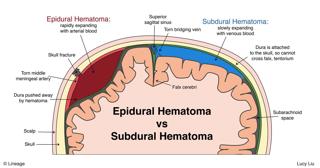
Podcast #278: Subdural Hematomas

Podcast #278: Subdural Hematomas

Educational Pearls Subdural hematomas can happen in the elderly because of brain atrophy, and can manifest with neurological deficit. Subdural hematomas are caused by rupture of the bridging veins of...

6 Joulu 20172min
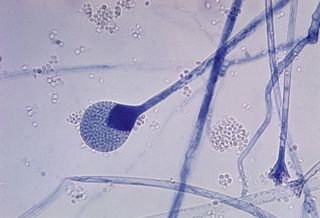
Podcast #277: Mucor

Podcast #277: Mucor

Author: Don Stader, M.D. Educational Pearls Mucor/Rhizopus fungal infections usually present in diabetic or immunocompromised patients as a black, necrotic lesion on the face. The fungus invades the ...

4 Joulu 20172min
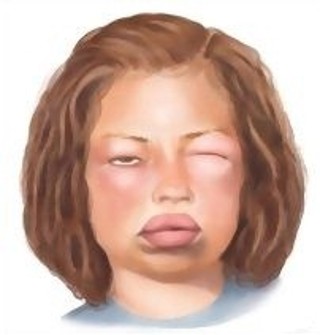
Podcast #276: Angioedema

Podcast #276: Angioedema

Author: John Winkler, M.D. Educational Pearls Angioedema is immediately life-threatening due to airway obstruction. Mechanisms include allergic reaction (histamine-related) or bradykinin-related (ACE...

1 Joulu 20173min
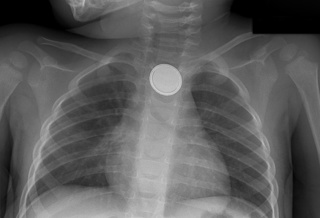
Podcast #275: Battery Ingestions

Podcast #275: Battery Ingestions

Author: Nick Hatch, M.D. Educational Pearls Unlike coin ingestions, button batteries can cause necrosis of the GI tract. If lodged in the esophagus, removal within 2 hours is important, because they ...

29 Marras 20174min

Podcast #274: Pediatric Sedation

Podcast #274: Pediatric Sedation

Author: Aaron Lessen, M.D. Educational Pearls A recent prospective observational study was performed to examine the safety of different sedation medications in the pediatric ED. This study included 6...

27 Marras 20172min

Podcast #273:  Bag Valve Masks

Podcast #273: Bag Valve Masks

Author: Sam Killian, M.D. Educational Pearls Difficulty with bag valve mask (BVM) ventilation can be addressed using the MOANS mnemonic. Mask seal, Obesity/obstruction, Age, No teeth, Sleep apnea. O...

17 Marras 20173min

Suosittua kategoriassa Tiede

rss-poliisin-mieli
rss-mita-tulisi-tietaa
tiedekulma-podcast
docemilia
rss-luontopodi-samuel-glassar-tutkii-luonnon-ihmeita
rss-duodecim-lehti
radio-antro
utelias-mieli
filocast-filosofian-perusteet
rss-lapsuuden-rakentajat-podcast
rss-lihavuudesta-podcast
rss-sosiopodi












