
Mental Health Monthly #17: Mania

Mental Health Monthly #17: Mania

Contributors:

Andrew White MD - Outpatient Psychiatrist; Fellowship Trained in Addiction Psychiatry; Denver Health

Travis Barlock MD - Emergency Medicine Physician; Swedish Medical Center

Summary

In this episode of Mental Health Monthly, Dr. Travis Barlock hosts Dr. Andrew White to discuss the elements of mania that may be encountered in the emergency department. The discussion includes a helpful mnemonic to assess mania, work-up and treatment in the ED, underlying causes of mania, mental health holds, inpatient treatment, and the role of sleep in mania.

Educational Pearls

  • Initial assessment of suspected mania can be done via DIGFAST:

    • Distractibility - Individual that is unable to carry a linear, goal-directed conversation

    • Impulsivity - Executive functioning is impaired and patients are unable to control their behaviors

    • Grandiosity - Elevated mood and sense of self to delusions of grandeur

    • Flight of ideas - Usually described as racing thoughts

    • Agitation - Increase in psychomotor activity; start several projects of which they have little previous knowledge

    • Sleep decrease - Typically, manic episodes start with insomnia and can devolve into multiday sleeplessness

    • Talkativeness - More talkative than usual with pressured speech and a tangential thought process

  • Interviewing patients requires an understanding of mood-based mania vs. psychosis-based mania

    • An individual with mood-based mania will more likely be restless, whereas a patient with psychosis-based mania will be more relaxed from a psychomotor standpoint

  • Treatment of manic patients in the ED includes the use of antipsychotics to manage acute symptomatology

    • Management can be informed and directed by the patient's history i.e. known medications that have worked for the patient

  • ED management of manic patients involves a work-up for a broad differential including agitated delirium, substance-induced mania, metabolic disorders, and autoimmune diseases.

  • Some individuals experience manic episodes from marijuana and other illicit substances

  • Antidepressants used in bipolar patients for suspected depression may induce mania

    • Important to avoid using antidepressants as first-line therapy

  • Mental health holds can be beneficial in patients with grave disabilities from mania

    • Oftentimes, undertreatment of manic episodes leads to re-hospitalization

  • Inpatient treatment:

    • Environment is important - ensure that patients get solo rooms if possible to minimize stimulation

    • Antipsychotics, including risperidone and olanzapine, with or without a benzodiazepine, are useful for short-term agitation

    • Long-term treatment involves coupled pharmacological treatments with non-pharmacological treatments

  • Sleep

    • Fractured sleep is one of the earliest warning signs that someone has an imminent manic episode

    • Poor sleep can be an inciting factor for mania, which then turns into a cycle that further propagates a patient's manic episode

Summarized and edited by Jorge Chalit, OMSII | Studio production by Jeffrey Olson, MS2

Jaksot(1144)

Podcast 848: Non-Traditional RSI

Podcast 848: Non-Traditional RSI

Contributor: Meghan Hurley, MD Educational Pearls: Two main reasons to choose non-traditional RSI Anatomically challenging airway Physiologically difficult patients: hypoxia, metabolic acidosi...

24 Huhti 20235min
Podcast 847: ECMO CPR

Podcast 847: ECMO CPR

Contributor: Aaron Lessen, MD Educational Pearls: Extracorporeal Membrane Oxygenation (ECMO) has been attempted as an adjunct to CPR during cardiac arrest but few studies on outcomes exist One prior...

6 Helmi 20233min
Podcast 846: Early Repolarization vs. Anterior STEMI

Podcast 846: Early Repolarization vs. Anterior STEMI

Contributor: Travis Barlock, MD Educational Pearls: Early repolarization a benign EKG pattern that can mimic an anterior STEMI Can be seen in the anterior leads typically in young male patients Can d...

30 Tammi 20232min
Podcast 845: Hyperkalemic Cardiac Arrest

Podcast 845: Hyperkalemic Cardiac Arrest

Contributor: Aaron Lessen, MD Educational Pearls: Hyperkalemia may cause cardiac arrest Treatment of suspected hyperkalemic cardiac arrest begins with typical management of cardiac arrest including ...

16 Tammi 20234min
Podcast 844: Dental Infections

Podcast 844: Dental Infections

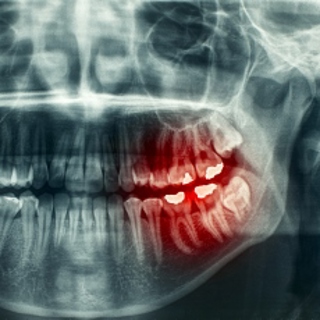
Contributor: Meghan Hurley, MD Educational Pearls: Educational Pearls: Dental infections can be categorized into two main groups Infections of the gums Pericoronitis Tooth eruption leading to infl...

10 Tammi 20234min

Podcast 843: Commotio Cordis

Podcast 843: Commotio Cordis

Contributor: Jared Scott, MD Educational Pearls: Commotio cordis is sudden ventricular fibrillation precipitated by direct impact to the chest A national registry, US Commotio Cordis Registry, repor...

9 Tammi 20234min

Podcast 842: "History of Wound Care"

Podcast 842: "History of Wound Care"

Contributor: Chris Holmes, MD Educational Pearls: Through world history, there have been various interesting approaches to wound care Ancient Egyptians applied honey, lint, and grease which provided ...

4 Tammi 20234min

Podcast 841: Wound Care

Podcast 841: Wound Care

Contributor: Aaron Lessen, MD Educational Pearls: Wound care in the emergency department aims to prevent future infection Copious wound irrigation is the important step in preventing wound infection ...

3 Tammi 20233min

Suosittua kategoriassa Tiede

rss-mita-tulisi-tietaa
tiedekulma-podcast
rss-poliisin-mieli
docemilia
rss-duodecim-lehti
utelias-mieli
radio-antro
filocast-filosofian-perusteet
rss-laakaripodi
rss-lihavuudesta-podcast
rss-sosiopodi
ihanat-ipanat
sotataidon-ytimessa
mielipaivakirja
rss-radplus
rss-opeklubi