Mental Health Monthly #17: Mania

Mental Health Monthly #17: Mania

Contributors:

Andrew White MD - Outpatient Psychiatrist; Fellowship Trained in Addiction Psychiatry; Denver Health

Travis Barlock MD - Emergency Medicine Physician; Swedish Medical Center

Summary

In this episode of Mental Health Monthly, Dr. Travis Barlock hosts Dr. Andrew White to discuss the elements of mania that may be encountered in the emergency department. The discussion includes a helpful mnemonic to assess mania, work-up and treatment in the ED, underlying causes of mania, mental health holds, inpatient treatment, and the role of sleep in mania.

Educational Pearls

  • Initial assessment of suspected mania can be done via DIGFAST:

    • Distractibility - Individual that is unable to carry a linear, goal-directed conversation

    • Impulsivity - Executive functioning is impaired and patients are unable to control their behaviors

    • Grandiosity - Elevated mood and sense of self to delusions of grandeur

    • Flight of ideas - Usually described as racing thoughts

    • Agitation - Increase in psychomotor activity; start several projects of which they have little previous knowledge

    • Sleep decrease - Typically, manic episodes start with insomnia and can devolve into multiday sleeplessness

    • Talkativeness - More talkative than usual with pressured speech and a tangential thought process

  • Interviewing patients requires an understanding of mood-based mania vs. psychosis-based mania

    • An individual with mood-based mania will more likely be restless, whereas a patient with psychosis-based mania will be more relaxed from a psychomotor standpoint

  • Treatment of manic patients in the ED includes the use of antipsychotics to manage acute symptomatology

    • Management can be informed and directed by the patient's history i.e. known medications that have worked for the patient

  • ED management of manic patients involves a work-up for a broad differential including agitated delirium, substance-induced mania, metabolic disorders, and autoimmune diseases.

  • Some individuals experience manic episodes from marijuana and other illicit substances

  • Antidepressants used in bipolar patients for suspected depression may induce mania

    • Important to avoid using antidepressants as first-line therapy

  • Mental health holds can be beneficial in patients with grave disabilities from mania

    • Oftentimes, undertreatment of manic episodes leads to re-hospitalization

  • Inpatient treatment:

    • Environment is important - ensure that patients get solo rooms if possible to minimize stimulation

    • Antipsychotics, including risperidone and olanzapine, with or without a benzodiazepine, are useful for short-term agitation

    • Long-term treatment involves coupled pharmacological treatments with non-pharmacological treatments

  • Sleep

    • Fractured sleep is one of the earliest warning signs that someone has an imminent manic episode

    • Poor sleep can be an inciting factor for mania, which then turns into a cycle that further propagates a patient's manic episode

Summarized and edited by Jorge Chalit, OMSII | Studio production by Jeffrey Olson, MS2

Jaksot(1145)

Podcast 730: Alternative Treatment for Gonorrhea

Podcast 730: Alternative Treatment for Gonorrhea

Educational Pearls: Recent updates to treatment guidelines increased the 250 mg ceftriaxone IM dose to 500 mg ceftriaxone IM IM dosing can be very painful, so other methods of administration can help...

16 Marras 20213min
Podcast 729: Molnupiravir for COVID

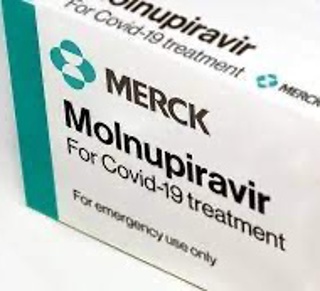
Podcast 729: Molnupiravir for COVID

Contributor: Jared Scott, MD Educational Pearls: A press release from Merck introduced Molnupiravir for treatment of mild to moderate COVID-19 The yet to be published study is a randomized control tr...

15 Marras 20215min

Podcast 728: Angiography for Out-of-Hospital Cardiac Arrest without ST Elevation

Podcast 728: Angiography for Out-of-Hospital Cardiac Arrest without ST Elevation

Contributor: Nick Tsipis, MD Educational Pearls: Meaningful survival under 10% for out of hospital cardiac arrest The most common cause of out-of-hospital cardiac arrest is due to cardiac ischemia St...

9 Marras 20215min
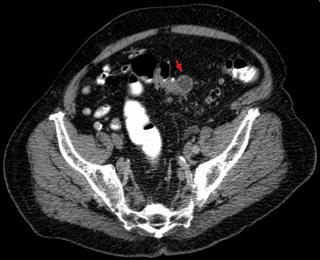
Podcast 727: Antibiotics for Diverticulitis

Podcast 727: Antibiotics for Diverticulitis

Contributor: Aaron Lessen, MD Educational Pearls: Classically, diverticulitis is diagnosed via CT scan and patients are discharged home on antibiotics if they are without complication The DINAMO stud...

8 Marras 20213min

Podcast 726: Ophthalmia Neonatorum

Podcast 726: Ophthalmia Neonatorum

Contributor: Peter Bakes, MD Educational Pearls: Ophthalmia Neonatorum encompasses any conjunctivitis that presents within the first 28 days of life Neonates often receive prophylactic silver nitrate...

2 Marras 20214min

Podcast 725: Hypothermia in Preterm Deliveries

Podcast 725: Hypothermia in Preterm Deliveries

Contributor: Aaron Lessen, MD Educational Pearls: Preterm deliveries in the ED can be complex and preventing hypothermia is essential to the health of the baby Recent meta-analysis examined methods f...

1 Marras 20213min

Podcast 724: Ivermectin Overdose

Podcast 724: Ivermectin Overdose

Contributor: Don Stader, MD Educational Pearls: Ivermectin is a Nobel-Prize winning antiparasitic  used to treat filariasis and onchocerciasis Ivermectin is receiving press due to a scientific study ...

26 Loka 20214min

Podcast 723: Nitro Drip in Flash Pulmonary Edema

Podcast 723: Nitro Drip in Flash Pulmonary Edema

Contributor: Alec Coston, MD Educational Pearls: Flash pulmonary edema or Sympathetic Crash Acute Pulmonary Edema (SCAPE) is a severe illness that requires aggressive treatment Often in patients with...

25 Loka 20215min

Suosittua kategoriassa Tiede

tiedekulma-podcast
rss-mita-tulisi-tietaa
rss-poliisin-mieli
docemilia
radio-antro
utelias-mieli
rss-sosiopodi
ihanat-ipanat
mielipaivakirja
filocast-filosofian-perusteet
rss-bios-podcast
rss-laakaripodi
rss-radplus
rss-opeklubi