
Mental Health Monthly #17: Mania

Mental Health Monthly #17: Mania

Contributors:

Andrew White MD - Outpatient Psychiatrist; Fellowship Trained in Addiction Psychiatry; Denver Health

Travis Barlock MD - Emergency Medicine Physician; Swedish Medical Center

Summary

In this episode of Mental Health Monthly, Dr. Travis Barlock hosts Dr. Andrew White to discuss the elements of mania that may be encountered in the emergency department. The discussion includes a helpful mnemonic to assess mania, work-up and treatment in the ED, underlying causes of mania, mental health holds, inpatient treatment, and the role of sleep in mania.

Educational Pearls

  • Initial assessment of suspected mania can be done via DIGFAST:

    • Distractibility - Individual that is unable to carry a linear, goal-directed conversation

    • Impulsivity - Executive functioning is impaired and patients are unable to control their behaviors

    • Grandiosity - Elevated mood and sense of self to delusions of grandeur

    • Flight of ideas - Usually described as racing thoughts

    • Agitation - Increase in psychomotor activity; start several projects of which they have little previous knowledge

    • Sleep decrease - Typically, manic episodes start with insomnia and can devolve into multiday sleeplessness

    • Talkativeness - More talkative than usual with pressured speech and a tangential thought process

  • Interviewing patients requires an understanding of mood-based mania vs. psychosis-based mania

    • An individual with mood-based mania will more likely be restless, whereas a patient with psychosis-based mania will be more relaxed from a psychomotor standpoint

  • Treatment of manic patients in the ED includes the use of antipsychotics to manage acute symptomatology

    • Management can be informed and directed by the patient's history i.e. known medications that have worked for the patient

  • ED management of manic patients involves a work-up for a broad differential including agitated delirium, substance-induced mania, metabolic disorders, and autoimmune diseases.

  • Some individuals experience manic episodes from marijuana and other illicit substances

  • Antidepressants used in bipolar patients for suspected depression may induce mania

    • Important to avoid using antidepressants as first-line therapy

  • Mental health holds can be beneficial in patients with grave disabilities from mania

    • Oftentimes, undertreatment of manic episodes leads to re-hospitalization

  • Inpatient treatment:

    • Environment is important - ensure that patients get solo rooms if possible to minimize stimulation

    • Antipsychotics, including risperidone and olanzapine, with or without a benzodiazepine, are useful for short-term agitation

    • Long-term treatment involves coupled pharmacological treatments with non-pharmacological treatments

  • Sleep

    • Fractured sleep is one of the earliest warning signs that someone has an imminent manic episode

    • Poor sleep can be an inciting factor for mania, which then turns into a cycle that further propagates a patient's manic episode

Summarized and edited by Jorge Chalit, OMSII | Studio production by Jeffrey Olson, MS2

Jaksot(1149)

Epidemic Meets Pandemic #1: The Harm Reductionist Perspective

Epidemic Meets Pandemic #1: The Harm Reductionist Perspective

This limited series will investigate how the nation's opioid epidemic has been impacted by the COVID-19 pandemic. Over the course of this series, we will hear from a harm reductionist, an addiction me...

29 Kesä 202041min

UnfilterED Clips: A Toxicologist's Perspective on COVID-19, Biological Warfare and the Need for Disaster Preparedness

UnfilterED Clips: A Toxicologist's Perspective on COVID-19, Biological Warfare and the Need for Disaster Preparedness

Taken from 'UnfilterED #8: Dr. Christopher Hoyte'. "This current sars-coV-2 / COVID-19 situation should really be a wake-up call for not just a pandemic, but for a biological attack...One of the thing...

27 Kesä 202011min

UnfilterED #8: Dr. Christopher Hoyte

UnfilterED #8: Dr. Christopher Hoyte

Dr. Chris Hoyte is an ED physician, toxicologist and researcher based in Denver, CO. He was featured in Bring Em' All: Chaos. Care. Stories from Medicine's Front Line, a book celebrating emergency phy...

24 Kesä 202047min
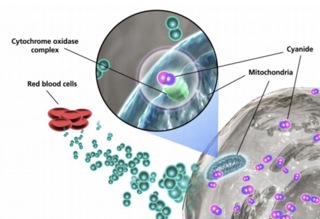
Podcast 574:  Cyanide Toxicity

Podcast 574: Cyanide Toxicity

Contributor: Nick Tsipis, MD Educational Pearls: Significant cyanide exposure most commonly occurs from fire/smoke exposure particularly when plastics are involved Cyanide binds to cytochrome oxidase...

23 Kesä 20205min

Podcast 573:  Arsenic Toxicity

Podcast 573: Arsenic Toxicity

Contributor: Nick Tsipis, MD Educational Pearls: Arsenic is a heavy metal that binds to multiple cellular enzymes and inhibits aerobic metabolism  It is primarily absorbed through the skin, respirato...

22 Kesä 20204min

Preview: The Black Doctors Podcast

Preview: The Black Doctors Podcast

In addition to producing our own content, we believe in using our platform to amplify other voices and perspectives in medicine. With that in mind, check out 'The Black Doctor Podcast' from Dr. Steven...

21 Kesä 202030s
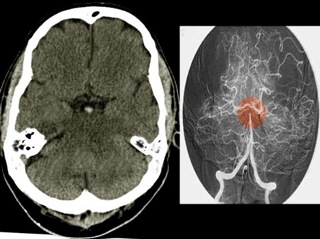
Podcast 572:  Locked In Syndrome

Podcast 572: Locked In Syndrome

Contributor: Aaron Lessen, MD Educational Pearls: Locked in syndrome results typically from an infarct of the basilar artery leading to infarction of the brainstem but typically preservation of the h...

16 Kesä 20203min
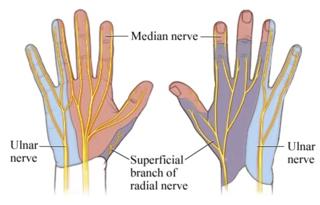
Podcast 571:  Digital Blocks

Podcast 571: Digital Blocks

Contributor: Jared Scott, MD Educational Pearls: Traditional digital block involves dorsal approach on either side of the digit, injecting local anesthetic along each side to numb all four nerves of ...

15 Kesä 20203min

Suosittua kategoriassa Tiede

tiedekulma-podcast
rss-mita-tulisi-tietaa
mielipaivakirja
rss-duodecim-lehti
rss-poliisin-mieli
utelias-mieli
radio-antro
docemilia
menologeja-tutkimusmatka-vaihdevuosiin
rss-metsa
rss-ylistys-elaimille
rss-sosiopodi