Podcast 875: A Pediatric Case of Myopericarditis

Podcast 875: A Pediatric Case of Myopericarditis

Contributor: Meghan Hurley MD

Educational Pearls:

  • Pericarditis is inflammation of the pericardial sac, which can arise from infectious or non-infectious etiologies

  • Myocarditis is inflammation of the myocardium, which may accompany pericarditis

  • Pericarditis clinical findings include:

    • Diffuse concave ST elevation, classic for acute pericarditis with myocardial involvement. More common in younger male patients

    • Elevated high-sensitivity troponin - higher levels may occur in young healthy patients

    • Ultrasound may show pericardial effusions

  • POCUS may be helpful in assessing left ventricular ejection fraction (LVEF) via E-point septal separation (EPSS)

    • Elevation in EPSS correlates with decreased LVEF

  • Treatments:

    • Anti-inflammatories including NSAIDs and colchicine

    • Monitor inflammation

    • Repeat ultrasounds

  • Risk factors in this patient's case:

    • mRNA COVID vaccine - the risk of myocarditis from vaccination is significantly lower than that from COVID-19 infection

    • Preceding infection

References

1. Gao J, Feng L, Li Y, et al. A Systematic Review and Meta-analysis of the Association Between SARS-CoV-2 Vaccination and Myocarditis or Pericarditis. Am J Prev Med. 2023;64(2):275-284.

2. Imazio M, Gaita F, LeWinter M. Evaluation and treatment of pericarditis: A systematic review. JAMA - J Am Med Assoc. 2015;314(14):1498-1506. doi:10.1001/jama.2015.12763

3. Mckaigney CJ, Krantz MJ, La Rocque CL, Hurst ND, Buchanan MS, Kendall JL. E-point septal separation: A bedside tool for emergency physician assessment of left ventricular ejection fraction. Am J Emerg Med. 2014;32(6):493-497. doi:10.1016/j.ajem.2014.01.045

Summarized by Jorge Chalit, OMSII | Edited by Meg Joyce & Jorge Chalit, OMSII

Jaksot(1145)

Podcast #270: Wound Botulism

Podcast #270: Wound Botulism

Author: Don Stader, M.D. Educational Pearls Wound botulism should be considered in patients with cutaneous lesions and neuromuscular weakness. The toxin produced by clostridium botulinum is the c...

10 Marras 20173min

Podcast #269: Tattoo Ink Complications

Podcast #269: Tattoo Ink Complications

Author: Michael Hunt, M.D. Educational Pearls Tattoo ink is applied below the skin, and because of this, they can lead to keloids, granulomas, tetanus, hepatitis B and C, and skin infections. Tattoo...

8 Marras 20174min
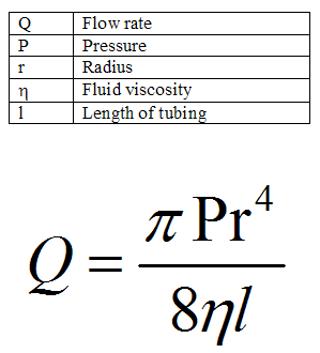
Podcast #268: Poiseuille's Law

Podcast #268: Poiseuille's Law

Author: Dave Rosenberg, M.D. Educational Pearls Poiseuille's Law addresses the flow of a fluid through a tube. Many common ED presentations involve alterations in flow: asthma, MI, ischemic stroke, ...

6 Marras 20176min

Podcast #267: Causes of Very High Lactate

Podcast #267: Causes of Very High Lactate

Author: Dylan Luyten, M.D. Educational Pearls Lactate is a byproduct of anaerobic metabolism, a sign of dying tissue. Dangerous causes of high lactates will not normalize with repeat labs. Crush inju...

3 Marras 20173min
Podcast #266: MI in Young Patients

Podcast #266: MI in Young Patients

Author: John Winkler, M.D. Educational Pearls Some risk factors for MI in the young are history of CAD, stimulant drug use, coronary spasm and diabetes. In those with diffuse ST elevations on EKG, th...

1 Marras 20171min
Podcast #265: The 2017 Flu Vaccine

Podcast #265: The 2017 Flu Vaccine

Author: Rachel Beham, PharmD, Advanced Clinical Pharmacist - Emergency Medicine Educational Pearls CDC recommends using the inactivated, injectable flu vaccine in those 6 months and older. The live a...

30 Loka 20174min
Podcast #264: Witnessed Cardiac Arrest

Podcast #264: Witnessed Cardiac Arrest

Author: Aaron Lessen, M.D. Educational Pearls For patients with in-hospital cardiac arrest, intubation in the 1st 15 minutes of resuscitation was associated with worse outcomes (mortality, neurologic...

27 Loka 20172min

Podcast #263: Early Antibiotics in Sepsis

Podcast #263: Early Antibiotics in Sepsis

Educational Pearls After the first hour, every 1 hour delay in antibiotics in a patient with septic shock patient is associated with a 4% increase in mortality. In patients with high suspicion for se...

25 Loka 20172min

Suosittua kategoriassa Tiede

tiedekulma-podcast
rss-mita-tulisi-tietaa
rss-poliisin-mieli
docemilia
radio-antro
utelias-mieli
rss-sosiopodi
ihanat-ipanat
mielipaivakirja
filocast-filosofian-perusteet
rss-bios-podcast
rss-laakaripodi
rss-radplus
rss-opeklubi