Podcast 876: Sedation Pearls

Podcast 876: Sedation Pearls

Contributor: Travis Barlock MD

Educational Pearls:

Common sedatives used in the Emergency Department and a few pearls for each.

  • Propofol

    • Type: Non-barbiturate sedative hypnotic agonizing GABA receptors.

    • Benefit: Quick on and quick off (duration of action is approximately 2-7 minutes), helpful for suspected neurologic injury so the patient can wake up and be re-evaluated. Also has the benefit of reducing intracranial pressure (ICP).

    • Downsides: Hypotension, bradycardia, respiratory depression.

    • What should you do if a patient is getting hypotensive on propofol?

      • Do not stop the propofol. Start pressors. May have to reduce the propofol dose if delay in pressors.

  • Dexmedetomidine (Precedex)

    • Type: Alpha 2 agonist - causes central sedation

    • Uses: Patients are more alert and responsive and therefore can be on BiPAP instead of being intubated. Does not cause respiratory depression.

    • Downsides: Hypotension and Bradycardia.

    • Caution in using this for head injuries, its side effects can mask the Cushing reflex and make it more difficult to spot acute elevations in ICP and uncal herniation.

  • Ketamine

    • Type: NMDA antagonist and dissociative anesthetic, among other mechanisms.

    • Benefits: Quick Onset (but slower than propofol). Does not cause hypotension, but can even increase HR and BP (Thought to potentially cause hypotension if patient is catecholamine-depleted (ie. sepsis, delayed trauma)).

    • Dosing ketamine can be challenging. Typically low doses (0.1-0.3mg/kg (max ~30mg)) can give good pain relief. Higher doses (for intubation/procedural sedation) are generally thought to have a higher risk of dissociation.

    • Downsides: Emergence reactions which include hallucinations, vivid dreams, and agitation. Increased secretions.

  • Benzos

    • Type: GABA agonists.

    • Benefits: Seizure, alcohol withdrawal, agitation due to toxic overdoses.

    • Push doses are useful because doses can stack. Longer half-life than propofol.

    • Downsides: Respiratory depression. Longer half-life can make neuro assessments difficult to complete.

  • Etomidate

    • MOA: Displaces endogenous GABA inhibitors.

    • Useful as a one-time dose for quick procedures (cardioversion, intubation). Often drug of choice for intubation since it is thought to have no hemodynamic effects.

    • Downsides; If used without paralytic - myoclonus. Though to have some adrenal suppression.

  • Fentanyl

    • Type: Opioid analgesic. Not traditional sedative.

    • Benefits: There are many instances in emergency medicine in which sedation can be avoided by prioritizing proper analgesia. Fentanyl can even be used to maintain intubated patients without needing to keep them constantly sedated.

    • Downsides: Respiratory depression. Patients may have tolerance.

References

  1. Chawla N, Boateng A, Deshpande R. Procedural sedation in the ICU and emergency department. Curr Opin Anaesthesiol. 2017 Aug;30(4):507-512. doi: 10.1097/ACO.0000000000000487. PMID: 28562388.

  2. Keating GM. Dexmedetomidine: A Review of Its Use for Sedation in the Intensive Care Setting. Drugs. 2015 Jul;75(10):1119-30. doi: 10.1007/s40265-015-0419-5. PMID: 26063213.

  3. Lundström S, Twycross R, Mihalyo M, Wilcock A. Propofol. J Pain Symptom Manage. 2010 Sep;40(3):466-70. doi: 10.1016/j.jpainsymman.2010.07.001. PMID: 20816571.

  4. Matchett G, Gasanova I, Riccio CA, Nasir D, Sunna MC, Bravenec BJ, Azizad O, Farrell B, Minhajuddin A, Stewart JW, Liang LW, Moon TS, Fox PE, Ebeling CG, Smith MN, Trousdale D, Ogunnaike BO; EvK Clinical Trial Collaborators. Etomidate versus ketamine for emergency endotracheal intubation: a randomized clinical trial. Intensive Care Med. 2022 Jan;48(1):78-91. doi: 10.1007/s00134-021-06577-x. Epub 2021 Dec 14. PMID: 34904190.

  5. Mihaljević S, Pavlović M, Reiner K, Ćaćić M. Therapeutic Mechanisms of Ketamine. Psychiatr Danub. 2020 Autumn-Winter;32(3-4):325-333. doi: 10.24869/psyd.2020.325. PMID: 33370729.

  6. Nakauchi C, Miyata M, Kamino S, Funato Y, Manabe M, Kojima A, Kawai Y, Uchida H, Fujino M, Boda H. Dexmedetomidine versus fentanyl for sedation in extremely preterm infants. Pediatr Int. 2023 Jan-Dec;65(1):e15581. doi: 10.1111/ped.15581. PMID: 37428855.

Summarized by Jeffrey Olson MS2 | Edited by Jorge Chalit, OMSII

Jaksot(1145)

Podcast 663:  Down Syndrome

Podcast 663: Down Syndrome

Contributor:  Alicia Oberle, MD Educational Pearls: Down Syndrome with Trisomy 21 have three copies of chromosome 21 Current birth rates are around 1 in 700 births  Average life span 25 years in 1980...

26 Huhti 20213min

UnfilterED #13: Dr. Nadia Tremonti

UnfilterED #13: Dr. Nadia Tremonti

This week's episode features a fascinating conversation with Dr. Nadia Tremonti, medical director for the pediatric palliative care program at Children's Hospital of Michigan in Detroit. Dr. Tremonti ...

22 Huhti 20211h 3min

Podcast 662: Droperidol for Sedation

Podcast 662: Droperidol for Sedation

Contributor:  Aaron Lessen, MD Educational Pearls: Droperidol for sedation in agitated patients in the emergency department was studied compared to ziprasidone (Geodon) and lorazepam (Ativan) Double-...

21 Huhti 20213min
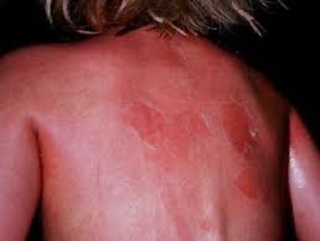
Podcast 661: Scalded Skin Syndrome

Podcast 661: Scalded Skin Syndrome

Contributor:  Ricky Dhaliwal, MD Educational Pearls: Primarily affects children Caused by staph aureus releasing exotoxins that result in erythema and sloughing of the skin Present with significant ...

20 Huhti 20212min
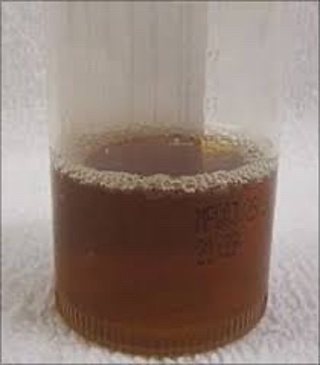
Podcast 660: Rhabdomyolysis

Podcast 660: Rhabdomyolysis

Contributor: Ricky Dhaliwal, MD Educational Pearls: Rhabdomyolysis occurs when high levels of myoglobin are released from dying muscle tissue into the blood Severe levels of myoglobin cause renal in...

19 Huhti 20215min
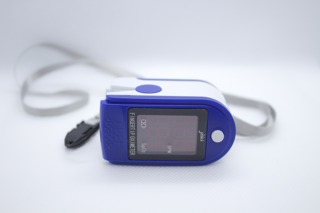
Podcast 659: Racial Bias in Pulse Oximetry

Podcast 659: Racial Bias in Pulse Oximetry

Contributor:  Aaron Lessen, MD Educational Pearls: Study in NEJM looked at occult hypoxemia, when oxygen saturation reads at >92% when the actual saturation is Rate of occult hypoxemia was 3 times h...

14 Huhti 20213min
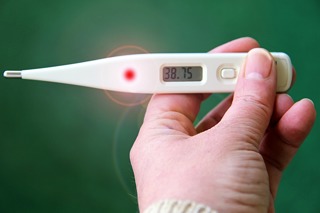
Podcast 658: Febrile Seizures

Podcast 658: Febrile Seizures

Contributor: Peter Bakes, MD Educational Pearls: Febrile Seizure clinical criteria 6 months - 5 years of age Rapid rise in temp No preexisting seizure disorder No other explanation for the seizure...

13 Huhti 20214min
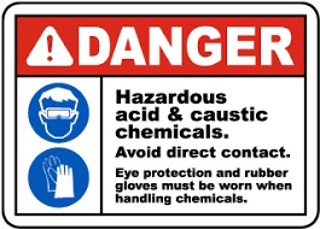
Podcast 657: Caustic Ingestion

Podcast 657: Caustic Ingestion

Contributor: Aaron Lessen, MD Educational Pearls: Acid and alkali ingestions have differing prognosis and immediate concerns Immediate issues can include superficial irritation, severe burns, esopha...

12 Huhti 20213min

Suosittua kategoriassa Tiede

tiedekulma-podcast
rss-mita-tulisi-tietaa
rss-poliisin-mieli
docemilia
radio-antro
utelias-mieli
filocast-filosofian-perusteet
rss-sosiopodi
ihanat-ipanat
mielipaivakirja
rss-bios-podcast
rss-duodecim-lehti
rss-ammamafia
rss-laakaripodi
rss-opeklubi