
Episode 894: DKA and HHS

Episode 894: DKA and HHS

Contributor: Ricky Dhaliwal, MD

Educational Pearls:

What are DKA and HHS?

  • DKA (Diabetic Ketoacidosis) and HHS (Hyperosmolar Hyperglycemic State) are both acute hyperglycemic states.

DKA

  • More common in type 1 diabetes.

  • Triggered by decreased circulating insulin.

    • The body needs energy but cannot use glucose because it can't get it into the cells.

    • This leads to increased metabolism of free fatty acids and the increased production of ketones.

    • The buildup of ketones causes acidosis.

    • The kidneys attempt to compensate for the acidosis by increasing diuresis.

  • These patients present as dry and altered, with sweet-smelling breath and Kussmaul (fast and deep) respirations.

HSS

  • More common in type 2 diabetes.

  • In this condition there is still enough circulating insulin to avoid the breakdown of fats for energy but not enough insulin to prevent hyperglycemia.

  • Serum glucose levels are very high – around 600 to 1200 mg/dl.

  • Also presents similarly to DKA with the patient being dry and altered.

Important labs to monitor

  • Serum glucose

  • Potassium

  • Phosphorus

  • Magnesium

  • Anion gap (Na - Cl - HCO3)

  • Renal function (Creatinine and BUN)

  • ABG/VBG for pH

  • Urinalysis and urine ketones by dipstick

Treatment

  • Identify the cause, i.e. Has the patient stopped taking their insulin?

  • Aggressive hydration with isotonic fluids.

    • Normal Saline (NS) vs Lactated Ringers (LR)?

      • LR might resolve the DKA/HHS faster with less risk of hypernatremia.

  • Should you bolus with insulin?

  • No, just start a drip.

    • 0.1-0.14 units per kg of insulin.

  • Make sure you have your potassium back before starting insulin as the insulin can shift the potassium into the cells and lead to dangerous hypokalemia.

  • Should you treat hyponatremia?

    • Make sure to correct for hyperglycemia before treating. This artificially depresses the sodium.

  • Should you give bicarb?

    • Replace if the pH < 6.9. Otherwise, it won't do anything to help.

  • Don't intubate, if the patient is breathing fast it is because they are compensating for their acidosis.

References

  1. Andrade-Castellanos, C. A., Colunga-Lozano, L. E., Delgado-Figueroa, N., & Gonzalez-Padilla, D. A. (2016). Subcutaneous rapid-acting insulin analogues for diabetic ketoacidosis. The Cochrane database of systematic reviews, 2016(1), CD011281. https://doi.org/10.1002/14651858.CD011281.pub2

  2. Chaithongdi, N., Subauste, J. S., Koch, C. A., & Geraci, S. A. (2011). Diagnosis and management of hyperglycemic emergencies. Hormones (Athens, Greece), 10(4), 250–260. https://doi.org/10.14310/horm.2002.1316

  3. Dhatariya, K. K., Glaser, N. S., Codner, E., & Umpierrez, G. E. (2020). Diabetic ketoacidosis. Nature reviews. Disease primers, 6(1), 40. https://doi.org/10.1038/s41572-020-0165-1

  4. Duhon, B., Attridge, R. L., Franco-Martinez, A. C., Maxwell, P. R., & Hughes, D. W. (2013). Intravenous sodium bicarbonate therapy in severely acidotic diabetic ketoacidosis. The Annals of pharmacotherapy, 47(7-8), 970–975. https://doi.org/10.1345/aph.1S014

  5. Modi, A., Agrawal, A., & Morgan, F. (2017). Euglycemic Diabetic Ketoacidosis: A Review. Current diabetes reviews, 13(3), 315–321. https://doi.org/10.2174/1573399812666160421121307

  6. Self, W. H., Evans, C. S., Jenkins, C. A., Brown, R. M., Casey, J. D., Collins, S. P., Coston, T. D., Felbinger, M., Flemmons, L. N., Hellervik, S. M., Lindsell, C. J., Liu, D., McCoin, N. S., Niswender, K. D., Slovis, C. M., Stollings, J. L., Wang, L., Rice, T. W., Semler, M. W., & Pragmatic Critical Care Research Group (2020). Clinical Effects of Balanced Crystalloids vs Saline in Adults With Diabetic Ketoacidosis: A Subgroup Analysis of Cluster Randomized Clinical Trials. JAMA network open, 3(11), e2024596. https://doi.org/10.1001/jamanetworkopen.2020.24596

Summarized by Jeffrey Olson MS2 | Edited by Meg Joyce & Jorge Chalit, OMSII

Jaksot(1145)

Podcast #285: C Diff

Podcast #285: C Diff

Author: Aaron Lessen, M.D. Educational Pearls While C. difficile infections are generally thought of as nosocomial, there is a subset of patients who acquire the infection in the community. One rece...

1 Tammi 20182min

Podcast #284: Plane Emergencies

Podcast #284: Plane Emergencies

Author: Erik Verzemneicks, M.D. Educational Pearls 1/600 flights has an on-board request for medical assistance. Most common complaints on board include: syncope, respiratory complaints, and GI compl...

29 Joulu 20173min

Podcast #283: Snow Blindness

Podcast #283: Snow Blindness

Author: John Winkler, M.D. Educational Pearls Photokeratitis is a UV burn of the sclera and cornea, which can cause blindness. UV light causes eyelid swelling with diffuse scarring of the eye (wides...

27 Joulu 20173min
Podcast #282: EKG Changes in DKA

Podcast #282: EKG Changes in DKA

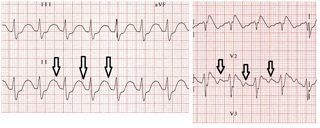
Author: Dave Rosenberg, M.D. Educational Pearls EKG changes that can be seen in DKA include ST elevation and peaked T-waves secondary to derangements in K levels. In DKA, serum K is high, but total ...

25 Joulu 20173min

Deep Dive #8: Wintertime Wilderness Medicine

Deep Dive #8: Wintertime Wilderness Medicine

Author: John Winkler, M.D. Dr. Winkler shares his knowledge of wilderness medicine and provides insight on how to prevent and treat conditions such as hypothermia, frostbite and sun blindness. More im...

18 Joulu 201729min
Podcast #281: Intracranial Hemorrhage Treatment

Podcast #281: Intracranial Hemorrhage Treatment

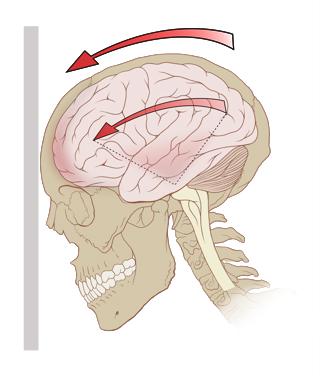
Podcast #281: Intracranial Hemorrhage Treatment Author: Don Stader, M.D. Educational Pearls Types of traumatic bleeds include subdural, epidural, and subarachnoid. Treatment for a traumatic bleed inc...

15 Joulu 20172min

Podcast #280: Isolated Aphasia in Stroke

Podcast #280: Isolated Aphasia in Stroke

Author: Aaron Lessen, M.D. Educational Pearls Patients with an ischemic stroke from occlusion of the left middle cerebral artery often present with aphasia in addition to other neurological deficits....

11 Joulu 20171min
Podcast #279: Sedation After Intubation

Podcast #279: Sedation After Intubation

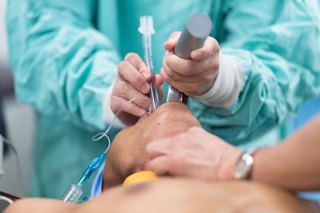
Author: Aaron Lessen, M.D. Educational Pearls Post-intubation care should always include pain control and adequate sedation. Commonly used sedation agents include propofol, ketamine and versed. Howev...

8 Joulu 20171min

Suosittua kategoriassa Tiede

tiedekulma-podcast
rss-mita-tulisi-tietaa
rss-poliisin-mieli
rss-duodecim-lehti
docemilia
utelias-mieli
filocast-filosofian-perusteet
rss-ammamafia
rss-astetta-parempi-elama-podcast
rss-luontopodi-samuel-glassar-tutkii-luonnon-ihmeita
rss-sosiopodi
rss-tiedetta-vai-tarinaa












