
Episode 894: DKA and HHS

Episode 894: DKA and HHS

Contributor: Ricky Dhaliwal, MD

Educational Pearls:

What are DKA and HHS?

  • DKA (Diabetic Ketoacidosis) and HHS (Hyperosmolar Hyperglycemic State) are both acute hyperglycemic states.

DKA

  • More common in type 1 diabetes.

  • Triggered by decreased circulating insulin.

    • The body needs energy but cannot use glucose because it can't get it into the cells.

    • This leads to increased metabolism of free fatty acids and the increased production of ketones.

    • The buildup of ketones causes acidosis.

    • The kidneys attempt to compensate for the acidosis by increasing diuresis.

  • These patients present as dry and altered, with sweet-smelling breath and Kussmaul (fast and deep) respirations.

HSS

  • More common in type 2 diabetes.

  • In this condition there is still enough circulating insulin to avoid the breakdown of fats for energy but not enough insulin to prevent hyperglycemia.

  • Serum glucose levels are very high – around 600 to 1200 mg/dl.

  • Also presents similarly to DKA with the patient being dry and altered.

Important labs to monitor

  • Serum glucose

  • Potassium

  • Phosphorus

  • Magnesium

  • Anion gap (Na - Cl - HCO3)

  • Renal function (Creatinine and BUN)

  • ABG/VBG for pH

  • Urinalysis and urine ketones by dipstick

Treatment

  • Identify the cause, i.e. Has the patient stopped taking their insulin?

  • Aggressive hydration with isotonic fluids.

    • Normal Saline (NS) vs Lactated Ringers (LR)?

      • LR might resolve the DKA/HHS faster with less risk of hypernatremia.

  • Should you bolus with insulin?

  • No, just start a drip.

    • 0.1-0.14 units per kg of insulin.

  • Make sure you have your potassium back before starting insulin as the insulin can shift the potassium into the cells and lead to dangerous hypokalemia.

  • Should you treat hyponatremia?

    • Make sure to correct for hyperglycemia before treating. This artificially depresses the sodium.

  • Should you give bicarb?

    • Replace if the pH < 6.9. Otherwise, it won't do anything to help.

  • Don't intubate, if the patient is breathing fast it is because they are compensating for their acidosis.

References

  1. Andrade-Castellanos, C. A., Colunga-Lozano, L. E., Delgado-Figueroa, N., & Gonzalez-Padilla, D. A. (2016). Subcutaneous rapid-acting insulin analogues for diabetic ketoacidosis. The Cochrane database of systematic reviews, 2016(1), CD011281. https://doi.org/10.1002/14651858.CD011281.pub2

  2. Chaithongdi, N., Subauste, J. S., Koch, C. A., & Geraci, S. A. (2011). Diagnosis and management of hyperglycemic emergencies. Hormones (Athens, Greece), 10(4), 250–260. https://doi.org/10.14310/horm.2002.1316

  3. Dhatariya, K. K., Glaser, N. S., Codner, E., & Umpierrez, G. E. (2020). Diabetic ketoacidosis. Nature reviews. Disease primers, 6(1), 40. https://doi.org/10.1038/s41572-020-0165-1

  4. Duhon, B., Attridge, R. L., Franco-Martinez, A. C., Maxwell, P. R., & Hughes, D. W. (2013). Intravenous sodium bicarbonate therapy in severely acidotic diabetic ketoacidosis. The Annals of pharmacotherapy, 47(7-8), 970–975. https://doi.org/10.1345/aph.1S014

  5. Modi, A., Agrawal, A., & Morgan, F. (2017). Euglycemic Diabetic Ketoacidosis: A Review. Current diabetes reviews, 13(3), 315–321. https://doi.org/10.2174/1573399812666160421121307

  6. Self, W. H., Evans, C. S., Jenkins, C. A., Brown, R. M., Casey, J. D., Collins, S. P., Coston, T. D., Felbinger, M., Flemmons, L. N., Hellervik, S. M., Lindsell, C. J., Liu, D., McCoin, N. S., Niswender, K. D., Slovis, C. M., Stollings, J. L., Wang, L., Rice, T. W., Semler, M. W., & Pragmatic Critical Care Research Group (2020). Clinical Effects of Balanced Crystalloids vs Saline in Adults With Diabetic Ketoacidosis: A Subgroup Analysis of Cluster Randomized Clinical Trials. JAMA network open, 3(11), e2024596. https://doi.org/10.1001/jamanetworkopen.2020.24596

Summarized by Jeffrey Olson MS2 | Edited by Meg Joyce & Jorge Chalit, OMSII

Jaksot(1149)

Epidemic Meets Pandemic #1: The Harm Reductionist Perspective

Epidemic Meets Pandemic #1: The Harm Reductionist Perspective

This limited series will investigate how the nation's opioid epidemic has been impacted by the COVID-19 pandemic. Over the course of this series, we will hear from a harm reductionist, an addiction me...

29 Kesä 202041min
UnfilterED Clips: A Toxicologist's Perspective on COVID-19, Biological Warfare and the Need for Disaster Preparedness

UnfilterED Clips: A Toxicologist's Perspective on COVID-19, Biological Warfare and the Need for Disaster Preparedness

Taken from 'UnfilterED #8: Dr. Christopher Hoyte'. "This current sars-coV-2 / COVID-19 situation should really be a wake-up call for not just a pandemic, but for a biological attack...One of the thing...

27 Kesä 202011min

UnfilterED #8: Dr. Christopher Hoyte

UnfilterED #8: Dr. Christopher Hoyte

Dr. Chris Hoyte is an ED physician, toxicologist and researcher based in Denver, CO. He was featured in Bring Em' All: Chaos. Care. Stories from Medicine's Front Line, a book celebrating emergency phy...

24 Kesä 202047min
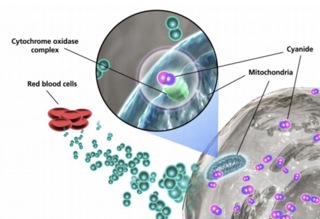
Podcast 574:  Cyanide Toxicity

Podcast 574: Cyanide Toxicity

Contributor: Nick Tsipis, MD Educational Pearls: Significant cyanide exposure most commonly occurs from fire/smoke exposure particularly when plastics are involved Cyanide binds to cytochrome oxidase...

23 Kesä 20205min
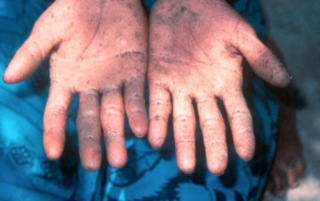
Podcast 573:  Arsenic Toxicity

Podcast 573: Arsenic Toxicity

Contributor: Nick Tsipis, MD Educational Pearls: Arsenic is a heavy metal that binds to multiple cellular enzymes and inhibits aerobic metabolism  It is primarily absorbed through the skin, respirato...

22 Kesä 20204min
Preview: The Black Doctors Podcast

Preview: The Black Doctors Podcast

In addition to producing our own content, we believe in using our platform to amplify other voices and perspectives in medicine. With that in mind, check out 'The Black Doctor Podcast' from Dr. Steven...

21 Kesä 202030s
Podcast 572:  Locked In Syndrome

Podcast 572: Locked In Syndrome

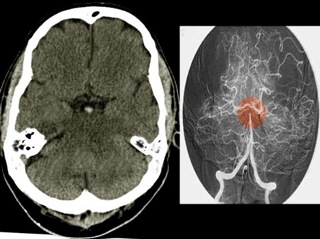
Contributor: Aaron Lessen, MD Educational Pearls: Locked in syndrome results typically from an infarct of the basilar artery leading to infarction of the brainstem but typically preservation of the h...

16 Kesä 20203min
Podcast 571:  Digital Blocks

Podcast 571: Digital Blocks

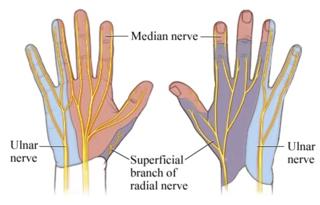
Contributor: Jared Scott, MD Educational Pearls: Traditional digital block involves dorsal approach on either side of the digit, injecting local anesthetic along each side to numb all four nerves of ...

15 Kesä 20203min

Suosittua kategoriassa Tiede

rss-mita-tulisi-tietaa
tiedekulma-podcast
rss-poliisin-mieli
utelias-mieli
mielipaivakirja
rss-duodecim-lehti
rss-lihavuudesta-podcast
radio-antro
menologeja-tutkimusmatka-vaihdevuosiin
rss-metsa
rss-tiedetta-vai-tarinaa
rss-ylistys-elaimille
rss-sosiopodi