Episode 898: Takotsubo Cardiomyopathy

Episode 898: Takotsubo Cardiomyopathy

Contributor: Ricky Dhaliwal, MD

Educational Pearls:

  • Takotsubo cardiomyopathy, also known as "broken heart syndrome," is a temporary heart condition that can mimic the symptoms of a heart attack, including troponin elevations and mimic STEMI on ECG.

  • The exact cause is not fully understood, but it is often triggered by severe emotional or physical stress. The stress can lead to a surge of catecholamines which affects the heart (multivessel spasm/paralysed myocardium).

  • The name "Takotsubo" comes from the Japanese term for a type of octopus trap, as the left ventricle takes on a distinctive shape resembling this trap during systole. The LV is dilated and part of the wall becomes akenetic. These changes can be seen on ultrasound.

  • The population most at risk for Takotsubo are post-menopausal women.

  • Coronary angiography is one of the only ways to differentiate Takotsubo from other acute coronary syndromes.

  • Most people with Takotsubo cardiomyopathy recover fully.

References

  1. Amin, H. Z., Amin, L. Z., & Pradipta, A. (2020). Takotsubo Cardiomyopathy: A Brief Review. Journal of medicine and life, 13(1), 3–7. https://doi.org/10.25122/jml-2018-0067

  2. Bossone, E., Savarese, G., Ferrara, F., Citro, R., Mosca, S., Musella, F., Limongelli, G., Manfredini, R., Cittadini, A., & Perrone Filardi, P. (2013). Takotsubo cardiomyopathy: overview. Heart failure clinics, 9(2), 249–x. https://doi.org/10.1016/j.hfc.2012.12.015

  3. Dawson D. K. (2018). Acute stress-induced (takotsubo) cardiomyopathy. Heart (British Cardiac Society), 104(2), 96–102. https://doi.org/10.1136/heartjnl-2017-311579

  4. Kida, K., Akashi, Y. J., Fazio, G., & Novo, S. (2010). Takotsubo cardiomyopathy. Current pharmaceutical design, 16(26), 2910–2917. https://doi.org/10.2174/138161210793176509

Summarized by Jeffrey Olson MS2 | Edited by Jorge Chalit, OMSII

Jaksot(1146)

Podcast #279: Sedation After Intubation

Podcast #279: Sedation After Intubation

Author: Aaron Lessen, M.D. Educational Pearls Post-intubation care should always include pain control and adequate sedation. Commonly used sedation agents include propofol, ketamine and versed. Howev...

8 Joulu 20171min
Podcast #278: Subdural Hematomas

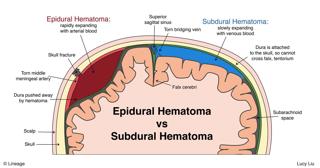
Podcast #278: Subdural Hematomas

Educational Pearls Subdural hematomas can happen in the elderly because of brain atrophy, and can manifest with neurological deficit. Subdural hematomas are caused by rupture of the bridging veins of...

6 Joulu 20172min
Podcast #277: Mucor

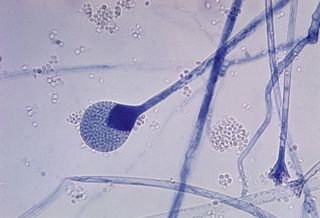
Podcast #277: Mucor

Author: Don Stader, M.D. Educational Pearls Mucor/Rhizopus fungal infections usually present in diabetic or immunocompromised patients as a black, necrotic lesion on the face. The fungus invades the ...

4 Joulu 20172min
Podcast #276: Angioedema

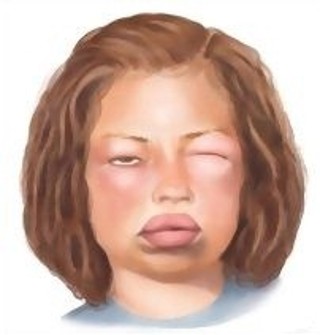
Podcast #276: Angioedema

Author: John Winkler, M.D. Educational Pearls Angioedema is immediately life-threatening due to airway obstruction. Mechanisms include allergic reaction (histamine-related) or bradykinin-related (ACE...

1 Joulu 20173min
Podcast #275: Battery Ingestions

Podcast #275: Battery Ingestions

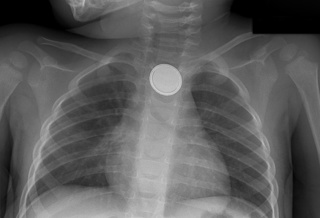
Author: Nick Hatch, M.D. Educational Pearls Unlike coin ingestions, button batteries can cause necrosis of the GI tract. If lodged in the esophagus, removal within 2 hours is important, because they ...

29 Marras 20174min

Podcast #274: Pediatric Sedation

Podcast #274: Pediatric Sedation

Author: Aaron Lessen, M.D. Educational Pearls A recent prospective observational study was performed to examine the safety of different sedation medications in the pediatric ED. This study included 6...

27 Marras 20172min
Podcast #273:  Bag Valve Masks

Podcast #273: Bag Valve Masks

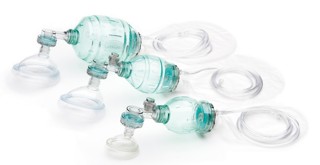
Author: Sam Killian, M.D. Educational Pearls Difficulty with bag valve mask (BVM) ventilation can be addressed using the MOANS mnemonic. Mask seal, Obesity/obstruction, Age, No teeth, Sleep apnea. O...

17 Marras 20173min

Podcast #272: More on Temperature in Sepsis

Podcast #272: More on Temperature in Sepsis

Author: David Rosenberg, M.D. Educational Pearls A study of 20,000 subjects found that reducing fever in sepsis did not improve outcomes such as morbidity, mortality, or length of stay. However, corr...

16 Marras 20172min

Suosittua kategoriassa Tiede

tiedekulma-podcast
rss-mita-tulisi-tietaa
rss-poliisin-mieli
docemilia
rss-duodecim-lehti
rss-luontopodi-samuel-glassar-tutkii-luonnon-ihmeita
utelias-mieli
rss-astetta-parempi-elama-podcast
filocast-filosofian-perusteet
rss-lapsuuden-rakentajat-podcast
rss-sosiopodi