
Episode 900: Ketamine Dosing

Episode 900: Ketamine Dosing

Contributor: Travis Barlock MD

Educational Pearls:

Ketamine is an NMDA receptor antagonist with a wide variety of uses in the emergency department. To dose ketamine remember the numbers 0.3, 1, and 3.

Pain dose

  • For acute pain relief administer 0.3 mg/kg of ketamine IV over 10-20 minutes (max of 30 mg).

  • Note: There is evidence that a lower dose of 0.1-0.15 mg/kg can be just as effective.

Dissociative dose

  • To use ketamine as an induction agent for intubation or for procedural sedation administer 1 mg/kg IV over 1-2 minutes.

IM for acute agitation

  • If a patient is out of control and a danger to themselves or others, administer 3 mg/kg intramuscularly (max 500 mg).

  • If you are giving IM ketamine it has to be in the concentrated 100 mg/ml vial.

Additional pearls

  • Pushing ketamine too quickly can cause laryngospasm.

  • Between .3 and 1 mg/kg is known as the recreational dose. You want to avoid this range because this is where ketamine starts to pick up its dissociative effects and can cause unpleasant and intense hallucinations. This is colloquially known as being in the "k-hole".

References

  1. Gao, M., Rejaei, D., & Liu, H. (2016). Ketamine use in current clinical practice. Acta pharmacologica Sinica, 37(7), 865–872. https://doi.org/10.1038/aps.2016.5

  2. Lin, J., Figuerado, Y., Montgomery, A., Lee, J., Cannis, M., Norton, V. C., Calvo, R., & Sikand, H. (2021). Efficacy of ketamine for initial control of acute agitation in the emergency department: A randomized study. The American journal of emergency medicine, 44, 306–311. https://doi.org/10.1016/j.ajem.2020.04.013

  3. Stirling, J., & McCoy, L. (2010). Quantifying the psychological effects of ketamine: from euphoria to the k-Hole. Substance use & misuse, 45(14), 2428–2443. https://doi.org/10.3109/10826081003793912

Summarized by Jeffrey Olson MS2 | Edited by Jorge Chalit, OMS II

Jaksot(1145)

Podcast #285: C Diff

Podcast #285: C Diff

Author: Aaron Lessen, M.D. Educational Pearls While C. difficile infections are generally thought of as nosocomial, there is a subset of patients who acquire the infection in the community. One rece...

1 Tammi 20182min

Podcast #284: Plane Emergencies

Podcast #284: Plane Emergencies

Author: Erik Verzemneicks, M.D. Educational Pearls 1/600 flights has an on-board request for medical assistance. Most common complaints on board include: syncope, respiratory complaints, and GI compl...

29 Joulu 20173min

Podcast #283: Snow Blindness

Podcast #283: Snow Blindness

Author: John Winkler, M.D. Educational Pearls Photokeratitis is a UV burn of the sclera and cornea, which can cause blindness. UV light causes eyelid swelling with diffuse scarring of the eye (wides...

27 Joulu 20173min
Podcast #282: EKG Changes in DKA

Podcast #282: EKG Changes in DKA

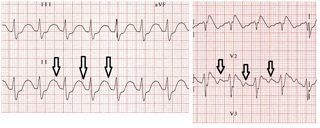
Author: Dave Rosenberg, M.D. Educational Pearls EKG changes that can be seen in DKA include ST elevation and peaked T-waves secondary to derangements in K levels. In DKA, serum K is high, but total ...

25 Joulu 20173min

Deep Dive #8: Wintertime Wilderness Medicine

Deep Dive #8: Wintertime Wilderness Medicine

Author: John Winkler, M.D. Dr. Winkler shares his knowledge of wilderness medicine and provides insight on how to prevent and treat conditions such as hypothermia, frostbite and sun blindness. More im...

18 Joulu 201729min
Podcast #281: Intracranial Hemorrhage Treatment

Podcast #281: Intracranial Hemorrhage Treatment

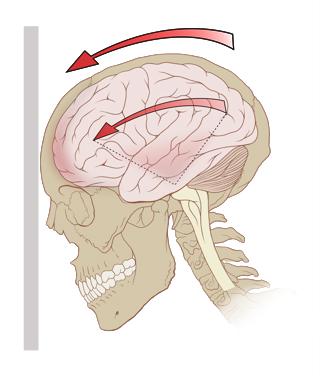
Podcast #281: Intracranial Hemorrhage Treatment Author: Don Stader, M.D. Educational Pearls Types of traumatic bleeds include subdural, epidural, and subarachnoid. Treatment for a traumatic bleed inc...

15 Joulu 20172min

Podcast #280: Isolated Aphasia in Stroke

Podcast #280: Isolated Aphasia in Stroke

Author: Aaron Lessen, M.D. Educational Pearls Patients with an ischemic stroke from occlusion of the left middle cerebral artery often present with aphasia in addition to other neurological deficits....

11 Joulu 20171min
Podcast #279: Sedation After Intubation

Podcast #279: Sedation After Intubation

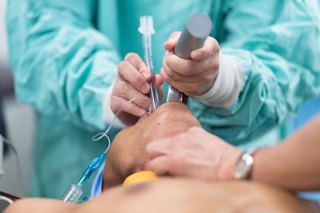
Author: Aaron Lessen, M.D. Educational Pearls Post-intubation care should always include pain control and adequate sedation. Commonly used sedation agents include propofol, ketamine and versed. Howev...

8 Joulu 20171min

Suosittua kategoriassa Tiede

tiedekulma-podcast
rss-mita-tulisi-tietaa
rss-poliisin-mieli
docemilia
rss-duodecim-lehti
rss-sosiopodi
radio-antro
filocast-filosofian-perusteet
rss-ammamafia
utelias-mieli
mielipaivakirja
rss-bios-podcast
rss-astetta-parempi-elama-podcast
rss-tiedetta-vai-tarinaa
rss-luontopodi-samuel-glassar-tutkii-luonnon-ihmeita















