
Episode 900: Ketamine Dosing

Episode 900: Ketamine Dosing

Contributor: Travis Barlock MD

Educational Pearls:

Ketamine is an NMDA receptor antagonist with a wide variety of uses in the emergency department. To dose ketamine remember the numbers 0.3, 1, and 3.

Pain dose

  • For acute pain relief administer 0.3 mg/kg of ketamine IV over 10-20 minutes (max of 30 mg).

  • Note: There is evidence that a lower dose of 0.1-0.15 mg/kg can be just as effective.

Dissociative dose

  • To use ketamine as an induction agent for intubation or for procedural sedation administer 1 mg/kg IV over 1-2 minutes.

IM for acute agitation

  • If a patient is out of control and a danger to themselves or others, administer 3 mg/kg intramuscularly (max 500 mg).

  • If you are giving IM ketamine it has to be in the concentrated 100 mg/ml vial.

Additional pearls

  • Pushing ketamine too quickly can cause laryngospasm.

  • Between .3 and 1 mg/kg is known as the recreational dose. You want to avoid this range because this is where ketamine starts to pick up its dissociative effects and can cause unpleasant and intense hallucinations. This is colloquially known as being in the "k-hole".

References

  1. Gao, M., Rejaei, D., & Liu, H. (2016). Ketamine use in current clinical practice. Acta pharmacologica Sinica, 37(7), 865–872. https://doi.org/10.1038/aps.2016.5

  2. Lin, J., Figuerado, Y., Montgomery, A., Lee, J., Cannis, M., Norton, V. C., Calvo, R., & Sikand, H. (2021). Efficacy of ketamine for initial control of acute agitation in the emergency department: A randomized study. The American journal of emergency medicine, 44, 306–311. https://doi.org/10.1016/j.ajem.2020.04.013

  3. Stirling, J., & McCoy, L. (2010). Quantifying the psychological effects of ketamine: from euphoria to the k-Hole. Substance use & misuse, 45(14), 2428–2443. https://doi.org/10.3109/10826081003793912

Summarized by Jeffrey Olson MS2 | Edited by Jorge Chalit, OMS II

Jaksot(1145)

Podcast #235: ER Discharge and Mortality

Podcast #235: ER Discharge and Mortality

Author: Pete Bakes, M.D. Educational Pearls One of the roles of the ER provider is to discharge patients only after life-threatening conditions have been ruled out. However, some patients that are di...

5 Elo 20176min
Podcast #234: CIN AEM Study

Podcast #234: CIN AEM Study

Author: Dylan Luyten, M.D. Educational Pearls Around 30% of patients in the ER receive CT imaging, and the sensitivity of CT imaging may be improved with IV contrast. However, contrast is often withh...

3 Elo 20173min
Podcast #233: Carfentanil

Podcast #233: Carfentanil

Author: Don Stader, M.D. and Rachael Duncan, PharmD BCPS BCCCP Educational Pearls Carfentanil is an opioid elephant tranquilizer that can be used recreationally. It is 1000 times stronger than fenta...

1 Elo 20174min

Podcast #232: HAPE

Podcast #232: HAPE

Author: Gretchen Hinson, M.D. Educational Pearls High-Altitude Pulmonary Edema (HAPE) is caused when hypoxemia due to low ambient pO2 leads to breakdown and constriction of the pulmonary vasculature ...

30 Heinä 20176min
Podcast #231: Esophageal Tearing

Podcast #231: Esophageal Tearing

Author: Jared Scott, M.D. Educational Pearls Boerhaave syndrome (aka effort rupture of the esophagus) accounts for 10% of esophageal ruptures and is usually caused by strain during vomiting episodes....

28 Heinä 20174min
Podcast #230: Concussive Treatment

Podcast #230: Concussive Treatment

Author: Aaron Lessen, M.D. Educational Pearls 2 studies this past year looked at pediatric and adolescent patients following a concussion. They found people who returned to activity sooner did better...

26 Heinä 20172min
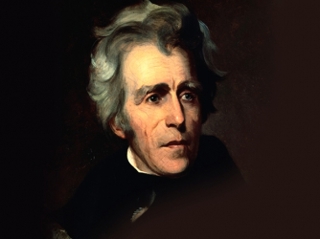
Podcast #229: Andrew Jackson

Podcast #229: Andrew Jackson

Author: Sam Killian, M.D. Educational Pearls Andrew Jackson was the 7th president of the USA. He served 2 terms from 1829-1837. He had had many medical issues during his presidency. He was said to be...

24 Heinä 20175min

Podcast #228: BB Guns

Podcast #228: BB Guns

Author: Jared Scott, M.D. Educational Pearls BB gun eye injuries are most common in August and September. They most often happen to males aged 16-17 year old. Around 10% of the BB eye injuries lead t...

22 Heinä 20174min

Suosittua kategoriassa Tiede

tiedekulma-podcast
rss-mita-tulisi-tietaa
rss-poliisin-mieli
docemilia
radio-antro
rss-duodecim-lehti
rss-ammamafia
rss-sosiopodi
utelias-mieli
ihanat-ipanat
mielipaivakirja
filocast-filosofian-perusteet
rss-bios-podcast
rss-tiedetta-vai-tarinaa