
Episode 902: Liver Failure and Cirrhosis

Episode 902: Liver Failure and Cirrhosis

Contributor: Travis Barlock MD

Educational Pearls:

How do you differentiate between compensated and decompensated cirrhosis?

Use the acronym VIBE to look for signs of being decompensated.

  • V-Volume

    • Cirrhosis can cause volume overload through a variety of mechanisms such as by increasing pressure in the portal vein system and the decreased production of albumin.

    • Look for pulmonary edema (dyspnea, orthopnea, wheezing/crackles, coughing up frothy pink sputum, etc.) or a tense abdomen.

  • I-Infection

    • The ascitic fluid can become infected with bacteria, a complication called Spontaneous Bacterial Peritonitis (SBP).

    • Look for abdominal pain, fever, hypotension, and tachycardia. Diagnosis is made with ascitic fluid cell analyses (polymorphonuclear neutrophils >250/mm3)

  • B-Bleeding

    • Another consequence of increased portal pressure is that blood backs up into smaller blood vessels, including those in the esophagus.

    • Over time, this increased pressure can result in the development of dilated, fragile veins called esophageal varices, which are prone to bleeding.

    • Look for hematemesis, melena, lightheadedness, and pale skin.

  • E-Encephalopathy

    • A failing liver also does not clear toxins which can affect the brain.

    • Look for asterixis (flapping motion of the hands when you tell the patient to hold their hands up like they are going to stop a bus)

Other complications to look out for.

  • Hepatorenal syndrome

  • Hepatopulmonary syndrome

References

  1. Engelmann, C., Clària, J., Szabo, G., Bosch, J., & Bernardi, M. (2021). Pathophysiology of decompensated cirrhosis: Portal hypertension, circulatory dysfunction, inflammation, metabolism and mitochondrial dysfunction. Journal of hepatology, 75 Suppl 1(Suppl 1), S49–S66. https://doi.org/10.1016/j.jhep.2021.01.002

  2. Enomoto, H., Inoue, S., Matsuhisa, A., & Nishiguchi, S. (2014). Diagnosis of spontaneous bacterial peritonitis and an in situ hybridization approach to detect an "unidentified" pathogen. International journal of hepatology, 2014, 634617. https://doi.org/10.1155/2014/634617

  3. Mansour, D., & McPherson, S. (2018). Management of decompensated cirrhosis. Clinical medicine (London, England), 18(Suppl 2), s60–s65. https://doi.org/10.7861/clinmedicine.18-2-s60

Summarized by Jeffrey Olson MS2 | Edited by Meg Joyce & Jorge Chalit, OMS II

Jaksot(1145)

Podcast #220: A-Fib Cardioversion

Podcast #220: A-Fib Cardioversion

Author: Aaron Lessen, M.D. Educational Pearls Atrial fibrillation is common. One of the best treatments for a fib is cardioversion back into sinus rhythm. Cardioversion may increase stroke risk if A-...

23 Kesä 20172min
Podcast #219: History of Sepsis

Podcast #219: History of Sepsis

Author: Chris Holmes, M.D. Educational Pearls "Sepo' is a term from Homer (author of The Iliad and The Odyssey), and means "I rot". Hippocrates in 400 BC identified sepsis as a "dangerous decay withi...

21 Kesä 20176min

Podcast #218: Estimating Pediatric Weight

Podcast #218: Estimating Pediatric Weight

Author: Aaron Lessen, M.D. Educational Pearls Asking parents and Broselow Tape are common options for estimating pediatric weight. Equipment sizes should not be adjusted for under/overweight kids bas...

19 Kesä 20172min
Podcast #217: Designer Drugs

Podcast #217: Designer Drugs

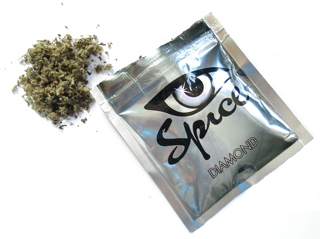
Author: John Winkler, M.D. Educational Pearls: Designer, or "synthetic" drugs include bath salts, synthetic THC, and many others. Many of these drugs are originally manufactured in China and are ship...

17 Kesä 20173min
Podcast #216: Roller Coasters and Kidney Stones

Podcast #216: Roller Coasters and Kidney Stones

Author: Aaron Lessen, M.D. Educational Pearls: Anecdotal evidence suggests that roller coasters may help with kidney stones. A recent study used a model of a kidney and ureter with different sized s...

13 Kesä 20171min

Opioid MIniseries Part IV: Harm Reduction

Opioid MIniseries Part IV: Harm Reduction

PRACTICE RECOMMENDATIONS 1. Patients who abuse opioids should be managed without judgement; addiction is a medical condition and not a moral failing. Caregivers should endeavor to meet patients "where...

8 Kesä 201748min
Opioid Miniseries Part III: Alternative to Opioids

Opioid Miniseries Part III: Alternative to Opioids

PRACTICE RECOMMENDATIONS 1. All emergency departments should implement ALTO programs and provide opioid-free pain treatment pathways for the following conditions: a. Acute on chronic opioid-tolerant r...

8 Kesä 201749min

Opioid Miniseries Part II: Limiting Opioids in the Emergency Department

Opioid Miniseries Part II: Limiting Opioids in the Emergency Department

RACTICE RECOMMENDATIONS 1. Opioids are inherently dangerous, highly addictive drugs with significant abuse potential, numerous side effects, lethality in overdose, rapid development of tolerance, and ...

8 Kesä 20171h 8min

Suosittua kategoriassa Tiede

tiedekulma-podcast
rss-mita-tulisi-tietaa
rss-poliisin-mieli
docemilia
rss-duodecim-lehti
rss-sosiopodi
radio-antro
filocast-filosofian-perusteet
rss-ammamafia
utelias-mieli
mielipaivakirja
rss-bios-podcast
rss-astetta-parempi-elama-podcast
rss-tiedetta-vai-tarinaa
rss-luontopodi-samuel-glassar-tutkii-luonnon-ihmeita