Episode 906: Case Study of Hypernatremia

Episode 906: Case Study of Hypernatremia

Contributor: Aaron Lessen MD

Educational Pearls:

The case:

  • A gentleman came in from a nursing home with symptoms concerning for sepsis. He was hypotensive, hypoxic, febrile, and mentally altered.

  • His past medical history included previous strokes which had left him with deficits for which he required a feeding tube.

  • Initial workup included some point of care labs which revealed a sodium of 165 mEq/L (normal range 135-145)

Hypernatremia

  • What causes it?

    • Dehydration, from insufficient fluid intake. This might happen in individuals who cannot drink water independently, such as infants, elderly, or disabled people, as was the case for this patient.

    • Other causes of dehydration/hypernatremia include excessive sweating; diabetes insipidus; diuretic use; kidney dysfunction; and severe burns which can lead to fluid loss through the damaged skin.

  • How do you correct it?

    • Need to correct slowly, not more than 10 to 12 meq/L in 24 hours

    • Can do normal saline (0.9%) or half saline (0.45%) and D5, at 150-200 mL per hour.

    • Check the sodium frequently (every 2-3 hours)

    • Will likely need ICU-level monitoring

  • What happens if you correct it too quickly?

    • Cerebral edema

    • Seizures

Bonus fact: Correction of hyponatremia too quickly causes osmotic demyelination syndrome (ODS).

References

  1. Chauhan, K., Pattharanitima, P., Patel, N., Duffy, A., Saha, A., Chaudhary, K., Debnath, N., Van Vleck, T., Chan, L., Nadkarni, G. N., & Coca, S. G. (2019). Rate of Correction of Hypernatremia and Health Outcomes in Critically Ill Patients. Clinical journal of the American Society of Nephrology : CJASN, 14(5), 656–663. https://doi.org/10.2215/CJN.10640918

  2. Lindner, G., & Funk, G. C. (2013). Hypernatremia in critically ill patients. Journal of critical care, 28(2), 216.e11–216.e2.16E20. https://doi.org/10.1016/j.jcrc.2012.05.001

  3. Muhsin, S. A., & Mount, D. B. (2016). Diagnosis and treatment of hypernatremia. Best practice & research. Clinical endocrinology & metabolism, 30(2), 189–203. https://doi.org/10.1016/j.beem.2016.02.014

Summarized by Jeffrey Olson MS2 | Edited by Meg Joyce & Jorge Chalit, OMSIII

Jaksot(1145)

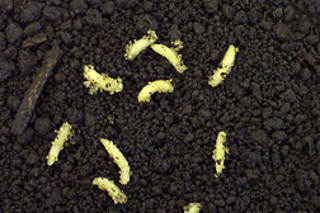
Podcast 774: Maggots

Podcast 774: Maggots

Contributor: Chris Holmes, MD Educational Pearls: Maggots were discovered as a therapy to help wound healing in WWI, but this fell out of favor after the discovery of penicillin One study from Israel...

19 Huhti 20225min
Podcast 773: Atrial Fibrillation Medications

Podcast 773: Atrial Fibrillation Medications

Contributor: Aaron Lessen, MD Educational Pearls: Atrial fibrillation is an irregular heart rhythm that sometimes requires rate control in setting of rapid ventricular response (RVR) Calcium channel ...

18 Huhti 20223min

Podcast 772: Firearms in Suicidal Ideation

Podcast 772: Firearms in Suicidal Ideation

Contributor: Aaron Lessen, MD Educational Pearls: Firearms are a dangerous potential method of committing suicide Death occurs in about 5-15% of suicide attempts overall, but death in suicide attempt...

12 Huhti 20224min
Podcast 771: Intubation in Cardiac Arrest

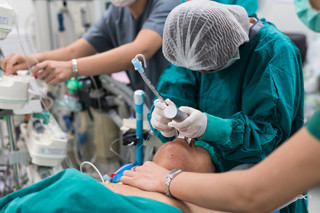
Podcast 771: Intubation in Cardiac Arrest

Contributor: Don Stader, MD Educational Pearls: In a secondary analysis of the PART trial, the mortality effect of timing of airway management for patients in cardiac arrest was examined Study looked...

11 Huhti 20223min
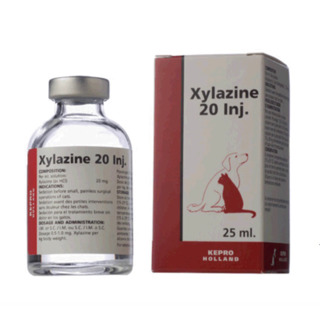
Podcast 770: Xylazine

Podcast 770: Xylazine

Contributor: Don Stader, MD Educational Pearls: Xylazine, referred to as tranq dope colloquially, is an FDA approved animal tranquilizer that is circulating in the illicit drug markets of the northea...

5 Huhti 20223min
Podcast 769: Pressors After Cardiac Arrest

Podcast 769: Pressors After Cardiac Arrest

Contributor: Aaron Lessen, MD Educational Pearls: Hypotension after cardiac arrest often requires a vasopressor to improve blood pressure Recent observational study from France examined outcomes of p...

4 Huhti 20223min
Mental Health Monthly #11: De-escalation: Changing Confrontation to Collaboration

Mental Health Monthly #11: De-escalation: Changing Confrontation to Collaboration

Contributor: Dr. Kimberly Nordstrom De-escalation usually takes less time than physical and chemical restraints, which leads to decreased injury to staff members, better patient trust and increased p...

30 Maalis 202216min
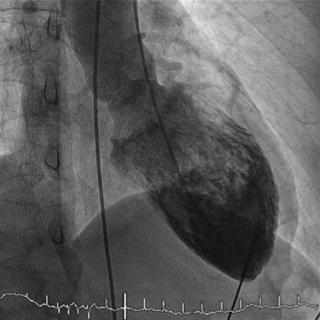
Podcast 768: Takotsubo Cardiomyopathy

Podcast 768: Takotsubo Cardiomyopathy

Contributor: Peter Bakes, MD Educational Pearls: 3% of cases of acute coronary syndrome are due to Takotsubo Takotsubo cardiomyopathy or "broken heart syndrome" can occur with severe physiologic or ...

29 Maalis 20224min

Suosittua kategoriassa Tiede

tiedekulma-podcast
rss-mita-tulisi-tietaa
rss-poliisin-mieli
docemilia
radio-antro
utelias-mieli
filocast-filosofian-perusteet
rss-sosiopodi
ihanat-ipanat
mielipaivakirja
rss-bios-podcast
rss-duodecim-lehti
rss-ammamafia
rss-laakaripodi
rss-opeklubi