Episode 908: Sympathomimetic Drugs

Episode 908: Sympathomimetic Drugs

Contributor: Taylor Lynch MD

Educational Pearls:

  • Overview:
    • Sympathomimetic drugs mimic the fight or flight response, affecting monoamines such as dopamine, norepinephrine, and epinephrine
    • Limited therapeutic use, often abused.
  • Types:
    • Amphetamines: Methamphetamine, Adderall, Ritalin, Vyvanse
    • MDMA (Ecstasy)
    • Cocaine (Both hydrochloride salt & free based crack cocaine)
    • Theophylline (Asthma treatment)
    • Ephedrine (For low blood pressure)
    • BZP, Oxymetazoline (Afrin), Pseudoephedrine (Sudafed)
    • MAO Inhibitors (treatment-resistant depression)
  • Mechanisms:
    • Act on adrenergic and dopaminergic receptors.
    • Cocaine blocks dopamine and serotonin reuptake.
    • Methamphetamines increase stimulatory neurotransmitter release
    • MAO Inhibitors prevent neurotransmitter breakdown.
  • Symptoms:
    • Agitation, tachycardia, hypertension, hyperactive bowel sounds, diuresis, hyperthermia.
    • Severe cases: Angina, seizures, cardiovascular collapse.
  • Diagnosis:
    • Clinical examination and history.
    • Differentiate from anticholinergic toxidrome by diaphoresis and hyperactive bowel sounds.
    • Tests: EKG, cardiac biomarkers, chest X-ray, blood gas, BMP, CK, coagulation studies, U-tox screen.
  • Treatment:
    • Stabilize ABCs, IV hydration, temperature monitoring, benzodiazepines.
    • Avoid beta-blockers due to unopposed alpha agonism.
    • Whole bowel irrigation for body packers; surgical removal if packets rupture.
    • IV hydration for high CK levels.
    • Observation period often necessary.
  • Recap:
    • Mimic sympathetic nervous system.
    • Key symptoms: Diaphoresis, hyperactive bowel sounds.
    • Treatment: Supportive care, benzodiazepines.
    • Use poison control as a resource.

References:

  1. Costa VM, Grazziotin Rossato Grando L, Milandri E, Nardi J, Teixeira P, Mladěnka P, Remião F. Natural Sympathomimetic Drugs: From Pharmacology to Toxicology. Biomolecules. 2022;12(12):1793. doi:10.3390/biom12121793

  2. Kolecki P. Sympathomimetic Toxicity From Emergency Medicine. Medscape. Updated March 11, 2024. https://emedicine.medscape.com/article/818583-overview

  3. Williams RH, Erickson T, Broussard LA. Evaluating Sympathomimetic Intoxication in an Emergency Setting. Lab Med. 2000;31(9):497-508. https://doi.org/10.1309/WVX1-6FPV-E2LC-B6YG

Summarized by Steven Fujaros | Edited by Jorge Chalit, OMSIII

Jaksot(1146)

Podcast #271: Nexus Chest CT Scan Guidelines

Podcast #271: Nexus Chest CT Scan Guidelines

Author: Chris Holmes, M.D. Educational Pearls The nexus chest CT scan rule is based on an 11,000 subject, multicenter study that looked for signs following a trauma that predicted significant finding...

13 Marras 20173min
Podcast #270: Wound Botulism

Podcast #270: Wound Botulism

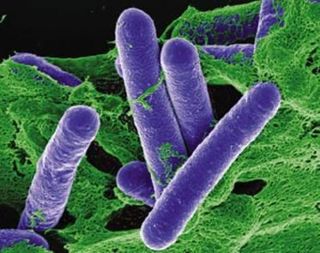
Author: Don Stader, M.D. Educational Pearls Wound botulism should be considered in patients with cutaneous lesions and neuromuscular weakness. The toxin produced by clostridium botulinum is the c...

10 Marras 20173min

Podcast #269: Tattoo Ink Complications

Podcast #269: Tattoo Ink Complications

Author: Michael Hunt, M.D. Educational Pearls Tattoo ink is applied below the skin, and because of this, they can lead to keloids, granulomas, tetanus, hepatitis B and C, and skin infections. Tattoo...

8 Marras 20174min
Podcast #268: Poiseuille's Law

Podcast #268: Poiseuille's Law

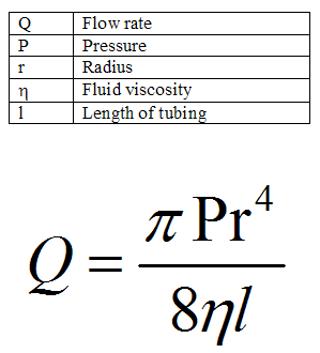
Author: Dave Rosenberg, M.D. Educational Pearls Poiseuille's Law addresses the flow of a fluid through a tube. Many common ED presentations involve alterations in flow: asthma, MI, ischemic stroke, ...

6 Marras 20176min

Podcast #267: Causes of Very High Lactate

Podcast #267: Causes of Very High Lactate

Author: Dylan Luyten, M.D. Educational Pearls Lactate is a byproduct of anaerobic metabolism, a sign of dying tissue. Dangerous causes of high lactates will not normalize with repeat labs. Crush inju...

3 Marras 20173min
Podcast #266: MI in Young Patients

Podcast #266: MI in Young Patients

Author: John Winkler, M.D. Educational Pearls Some risk factors for MI in the young are history of CAD, stimulant drug use, coronary spasm and diabetes. In those with diffuse ST elevations on EKG, th...

1 Marras 20171min
Podcast #265: The 2017 Flu Vaccine

Podcast #265: The 2017 Flu Vaccine

Author: Rachel Beham, PharmD, Advanced Clinical Pharmacist - Emergency Medicine Educational Pearls CDC recommends using the inactivated, injectable flu vaccine in those 6 months and older. The live a...

30 Loka 20174min
Podcast #264: Witnessed Cardiac Arrest

Podcast #264: Witnessed Cardiac Arrest

Author: Aaron Lessen, M.D. Educational Pearls For patients with in-hospital cardiac arrest, intubation in the 1st 15 minutes of resuscitation was associated with worse outcomes (mortality, neurologic...

27 Loka 20172min

Suosittua kategoriassa Tiede

tiedekulma-podcast
rss-mita-tulisi-tietaa
rss-poliisin-mieli
docemilia
rss-duodecim-lehti
utelias-mieli
rss-astetta-parempi-elama-podcast
rss-luontopodi-samuel-glassar-tutkii-luonnon-ihmeita
filocast-filosofian-perusteet
rss-ammamafia
rss-tiedetta-vai-tarinaa
rss-lapsuuden-rakentajat-podcast
rss-sosiopodi