

Episode 908: Sympathomimetic Drugs

Episode 908: Sympathomimetic Drugs

Contributor: Taylor Lynch MD

Educational Pearls:

  • Overview:
    • Sympathomimetic drugs mimic the fight or flight response, affecting monoamines such as dopamine, norepinephrine, and epinephrine
    • Limited therapeutic use, often abused.
  • Types:
    • Amphetamines: Methamphetamine, Adderall, Ritalin, Vyvanse
    • MDMA (Ecstasy)
    • Cocaine (Both hydrochloride salt & free based crack cocaine)
    • Theophylline (Asthma treatment)
    • Ephedrine (For low blood pressure)
    • BZP, Oxymetazoline (Afrin), Pseudoephedrine (Sudafed)
    • MAO Inhibitors (treatment-resistant depression)
  • Mechanisms:
    • Act on adrenergic and dopaminergic receptors.
    • Cocaine blocks dopamine and serotonin reuptake.
    • Methamphetamines increase stimulatory neurotransmitter release
    • MAO Inhibitors prevent neurotransmitter breakdown.
  • Symptoms:
    • Agitation, tachycardia, hypertension, hyperactive bowel sounds, diuresis, hyperthermia.
    • Severe cases: Angina, seizures, cardiovascular collapse.
  • Diagnosis:
    • Clinical examination and history.
    • Differentiate from anticholinergic toxidrome by diaphoresis and hyperactive bowel sounds.
    • Tests: EKG, cardiac biomarkers, chest X-ray, blood gas, BMP, CK, coagulation studies, U-tox screen.
  • Treatment:
    • Stabilize ABCs, IV hydration, temperature monitoring, benzodiazepines.
    • Avoid beta-blockers due to unopposed alpha agonism.
    • Whole bowel irrigation for body packers; surgical removal if packets rupture.
    • IV hydration for high CK levels.
    • Observation period often necessary.
  • Recap:
    • Mimic sympathetic nervous system.
    • Key symptoms: Diaphoresis, hyperactive bowel sounds.
    • Treatment: Supportive care, benzodiazepines.
    • Use poison control as a resource.

References:

  1. Costa VM, Grazziotin Rossato Grando L, Milandri E, Nardi J, Teixeira P, Mladěnka P, Remião F. Natural Sympathomimetic Drugs: From Pharmacology to Toxicology. Biomolecules. 2022;12(12):1793. doi:10.3390/biom12121793

  2. Kolecki P. Sympathomimetic Toxicity From Emergency Medicine. Medscape. Updated March 11, 2024. https://emedicine.medscape.com/article/818583-overview

  3. Williams RH, Erickson T, Broussard LA. Evaluating Sympathomimetic Intoxication in an Emergency Setting. Lab Med. 2000;31(9):497-508. https://doi.org/10.1309/WVX1-6FPV-E2LC-B6YG

Summarized by Steven Fujaros | Edited by Jorge Chalit, OMSIII

Jaksot(1145)

Podcast #248: Family Presence During Resuscitation

Podcast #248: Family Presence During Resuscitation

Author: Aaron Lessen, M.D. Educational Pearls Traditionally the family is removed from the room during procedures and codes, but recent research shows that family presence may be beneficial. 50% pati...

8 Syys 20173min
Podcast #249: D-Dimer

Podcast #249: D-Dimer

Author: Michael Hunt, M.D. Educational Pearls In the recent YEARS study, investigators checked every patient with suspicion for PE with a D-dimer, using a modified Wells score for risk stratification...

6 Syys 20173min
Podcast #248: Patent Foramen Ovale

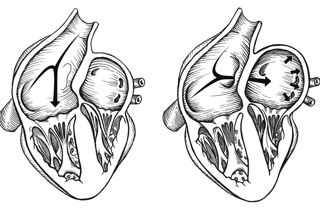
Podcast #248: Patent Foramen Ovale

Author: Jared Scott, M.D. Educational Pearls The foramen ovale (FO) connects the left and right atria to allow oxygenated blood to bypass the developing lungs, it usually closes at birth but for some...

4 Syys 20173min

Podcast #247: Are You Listening? - 3 Ear Emergencies You Can't Miss!

Podcast #247: Are You Listening? - 3 Ear Emergencies You Can't Miss!

Author: Don Stader, M.D. Educational Pearls Ear pain is a common complaint in adults and kids. A red, hot, painful ear with involvement of the pinna could indicate perichondritis - an infection of th...

2 Syys 20176min

Podcast #246: Fever in Sepsis

Podcast #246: Fever in Sepsis

Author: Nick Hatch, M.D. Educational Pearls A recent observational cohort study found that the biggest predictor for sepsis survival was fever. Those with higher fevers had better outcomes. Some poss...

31 Elo 20172min
Podcast #245: Hypoglycemia

Podcast #245: Hypoglycemia

Author: Dylan Luyten, M.D. Educational Pearls Hypoglycemia is very common in type 2 diabetics, and is often caused by insulin overdose or missed meals. Knowing the peak time of action for common diab...

29 Elo 20174min
Podcast #244: Clavicle Fracture Review

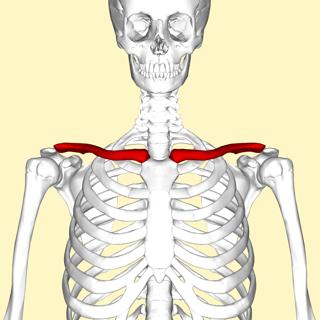
Podcast #244: Clavicle Fracture Review

Author: Nick Hatch, M.D. Educational Pearls The force required to break a clavicle is significant, so clavicle fracture may be associated with other injury (pneumothorax, vascular injury). Most fract...

27 Elo 20172min
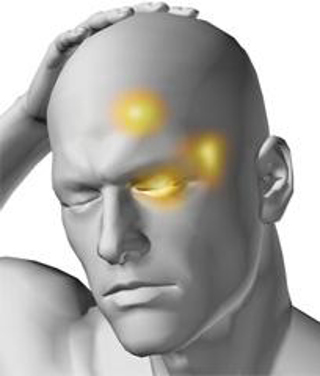
Podcast #243: Sphenopalatine Nerve Block

Podcast #243: Sphenopalatine Nerve Block

Author: Don Stader, M.D. Educational Pearls Cluster headaches are usually intense, unilateral, and involve the periorbital area. CN V (Trigeminal) provides sensory and autonomic innervation the face...

25 Elo 20174min

Suosittua kategoriassa Tiede

tiedekulma-podcast
rss-mita-tulisi-tietaa
rss-poliisin-mieli
rss-duodecim-lehti
docemilia
utelias-mieli
filocast-filosofian-perusteet
rss-ammamafia
rss-astetta-parempi-elama-podcast
rss-luontopodi-samuel-glassar-tutkii-luonnon-ihmeita
rss-sosiopodi
rss-tiedetta-vai-tarinaa












