Podcast 912: Narcan (Naloxone)

Podcast 912: Narcan (Naloxone)

Contributor: Taylor Lynch, MD

Educational Pearls:

Opioid Epidemic- quick facts

  • Drug overdoses, primarily driven by opioids, have become the leading cause of accidental death in the U.S. for individuals aged 18-45.

  • In 2021, opioids were involved in nearly 75% of all drug overdose deaths

  • The rise of synthetic opioids like fentanyl, which is much more potent than heroin or prescription opioids, has played a major role in the increase in overdose deaths

What is Narcan AKA Naloxone?

  • Competitive opioid antagonist. It sits on the receptor but doesn't activate it.

When do we give Narcan?

  • Respiratory rate less than 8-10 breaths per minute

Should you check the pupils?

  • An opioid overdose classically presents with pinpoint pupils BUT…

  • Hypercapnia from bradypnea can normalize the pupils

  • Taking other drugs at the same time like cocaine or meth can counteract the pupillary effects

  • Basilar stroke could also cause small pupils, so don't anchor on an opioid overdose

How does Narcan affect the body?

  • Relatively safe even if the patient is not experiencing an opioid overdose. So when in doubt, give the Narcan.

  • What if the patient is opioid naive and overdosing?

    • Use a large dose given that this patient is unlikely to withdraw

    • 0.4-2 mg every 3-5 minutes

  • What if the patient is a chronic opioid user

    • Use a smaller dose such as 0.04-0.4 mg to avoid precipitated withdrawal

How fast does Narcan work?

  • Given intravenously (IV), onset is 1-2 min

  • Given intranasal (IN), onset is 3-4 min

  • Given intramuscularly (IM), onset is ~6 min

  • Duration of action is 60 mins, with a range of 20-90 minutes

How does that compare to the duration of action of common opioids?

  • Heroine lasts 60 min

  • Fentanyl lasts 30-60 min, depending on route

  • Carfentanyl lasts ~5 hrs

  • Methadone lasts 12-24 hrs

  • So we really need to be conscious about redosing

How do you monitor someone treated with Narcan?

  • Pay close attention to the end-tidal CO2 to ensure that are ventilating appropriately

  • Be cautious with giving O2 as it might mask hypoventilation

  • Watch the respiratory rate

  • Give Narcan as needed

  • Observe for at least 2-4 hours after the last Narcan dose

  • Larger the dose, longer the observation period

Who gets a drip?

  • If they have gotten ~3 doses, time to start the drip

  • Start at 2/3rds last effective wake-up dose

Complications

  • Flash pulm edema

    • 0.2-3.6% complication rate

    • Might be from the catecholamine surge from abrupt wake-up

    • Might also be from large inspiratory effort against a partially closed glottis which creates too much negative pressure

    • Treat with BIPAP if awake and intubation if not awake

Should you give Narcan in cardiac arrest?

  • Short answer no. During ACLS you take over breathing for the patient and that is pretty much the only way that Narcan can help

  • Just focus on high quality CPR

References

Summarized by Jeffrey Olson MS2 | Edited by Meg Joyce & Jorge Chalit, OMSII

Jaksot(1145)

Podcast #248: Family Presence During Resuscitation

Podcast #248: Family Presence During Resuscitation

Author: Aaron Lessen, M.D. Educational Pearls Traditionally the family is removed from the room during procedures and codes, but recent research shows that family presence may be beneficial. 50% pati...

8 Syys 20173min
Podcast #249: D-Dimer

Podcast #249: D-Dimer

Author: Michael Hunt, M.D. Educational Pearls In the recent YEARS study, investigators checked every patient with suspicion for PE with a D-dimer, using a modified Wells score for risk stratification...

6 Syys 20173min
Podcast #248: Patent Foramen Ovale

Podcast #248: Patent Foramen Ovale

Author: Jared Scott, M.D. Educational Pearls The foramen ovale (FO) connects the left and right atria to allow oxygenated blood to bypass the developing lungs, it usually closes at birth but for some...

4 Syys 20173min

Podcast #247: Are You Listening? - 3 Ear Emergencies You Can't Miss!

Podcast #247: Are You Listening? - 3 Ear Emergencies You Can't Miss!

Author: Don Stader, M.D. Educational Pearls Ear pain is a common complaint in adults and kids. A red, hot, painful ear with involvement of the pinna could indicate perichondritis - an infection of th...

2 Syys 20176min
Podcast #246: Fever in Sepsis

Podcast #246: Fever in Sepsis

Author: Nick Hatch, M.D. Educational Pearls A recent observational cohort study found that the biggest predictor for sepsis survival was fever. Those with higher fevers had better outcomes. Some poss...

31 Elo 20172min
Podcast #245: Hypoglycemia

Podcast #245: Hypoglycemia

Author: Dylan Luyten, M.D. Educational Pearls Hypoglycemia is very common in type 2 diabetics, and is often caused by insulin overdose or missed meals. Knowing the peak time of action for common diab...

29 Elo 20174min
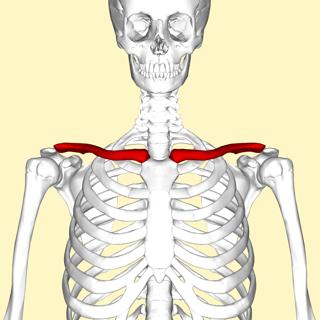
Podcast #244: Clavicle Fracture Review

Podcast #244: Clavicle Fracture Review

Author: Nick Hatch, M.D. Educational Pearls The force required to break a clavicle is significant, so clavicle fracture may be associated with other injury (pneumothorax, vascular injury). Most fract...

27 Elo 20172min
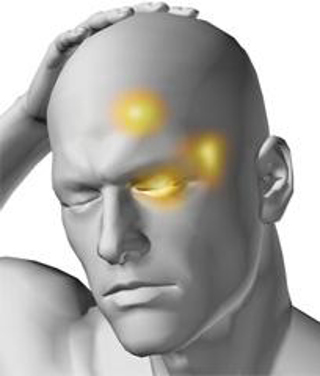
Podcast #243: Sphenopalatine Nerve Block

Podcast #243: Sphenopalatine Nerve Block

Author: Don Stader, M.D. Educational Pearls Cluster headaches are usually intense, unilateral, and involve the periorbital area. CN V (Trigeminal) provides sensory and autonomic innervation the face...

25 Elo 20174min

Suosittua kategoriassa Tiede

tiedekulma-podcast
rss-mita-tulisi-tietaa
rss-poliisin-mieli
docemilia
radio-antro
utelias-mieli
rss-sosiopodi
ihanat-ipanat
mielipaivakirja
filocast-filosofian-perusteet
rss-bios-podcast
rss-laakaripodi
rss-radplus
rss-opeklubi