
Podcast 914: Neuroleptic Malignant Syndrome (NMS)

Podcast 914: Neuroleptic Malignant Syndrome (NMS)

Contributor: Taylor Lynch, MD

Educational Pearls:

What is NMS?

  • Neuroleptic Malignant Syndrome

  • Caused by anti-dopamine medication or rapid withdrawal of pro-dopamenergic medications

  • Mechanism is poorly understood

  • Life threatening

What medications can cause it?

  • Typical antipsychotics

    • Haloperidol, chlorpromazine, prochlorperazine, fluphenazine, trifluoperazine

  • Atypical antipsychotics

    • Less risk

    • Risperidone, clozapine, quetiapine, olanzapine, aripiprazole, ziprasidone

  • Anti-emetic agents with anti dopamine activity

    • Metoclopramide, promethazine, haloperidol

    • Not ondansetron

  • Abrupt withdrawal of levodopa

How does it present?

  • Slowly over 1-3 days (unlike serotonin syndrome which has a more acute onset)

  • Altered mental status, 82% of patients, typically agitated delirium with confusion

  • Peripheral muscle rigidity and decreased reflexes. AKA lead pipe rigidity. (As opposed to clonus and hyperreflexia in serotonin syndrome)

  • Hyperthermia (>38C seen in 87% of patients)

  • Can also have tachycardia, labile blood pressures, tachypnea, and tremor

How is it diagnosed?

  • Clinical diagnosis, focus on the timing of symptoms

  • No confirmatory lab test but can see possible elevated CK levels and WBC of 10-40k with a left shift

What else might be on the differential?

  • Sepsis

  • CNS infections

  • Heat stroke

  • Agitated delirium

  • Status eptilepticus

  • Drug induced extrapyramidal symptoms

  • Serotonin syndrome

  • Malignant hyperthermia

What is the treatment?

  • Start with ABC's

  • Stop all anti-dopaminergic meds and restart pro-dopamine meds if recently stopped

  • Maintain urine output with IV fluids if needed to avoid rhabdomyolysis

  • Active or passive cooling if needed

  • Benzodiazapines, such as lorazepam 1-2 mg IV q 4hrs

What are active medical therapies?

  • Controversial treatments

  • Bromocriptine, dopamine agonist

  • Dantrolene, classically used for malignant hyperthermia

  • Amantadine, increases dopamine release

  • Use as a last resort

Dispo?

  • Mortality is around 10% if not recognized and treated

  • Most patients recover in 2-14 days

  • Must wait 2 weeks before restarting any medications

References

  • Oruch, R., Pryme, I. F., Engelsen, B. A., & Lund, A. (2017). Neuroleptic malignant syndrome: an easily overlooked neurologic emergency. Neuropsychiatric disease and treatment, 13, 161–175. https://doi.org/10.2147/NDT.S118438

  • Tormoehlen, L. M., & Rusyniak, D. E. (2018). Neuroleptic malignant syndrome and serotonin syndrome. Handbook of clinical neurology, 157, 663–675. https://doi.org/10.1016/B978-0-444-64074-1.00039-2

  • Velamoor, V. R., Norman, R. M., Caroff, S. N., Mann, S. C., Sullivan, K. A., & Antelo, R. E. (1994). Progression of symptoms in neuroleptic malignant syndrome. The Journal of nervous and mental disease, 182(3), 168–173. https://doi.org/10.1097/00005053-199403000-00007

  • Ware, M. R., Feller, D. B., & Hall, K. L. (2018). Neuroleptic Malignant Syndrome: Diagnosis and Management. The primary care companion for CNS disorders, 20(1), 17r02185. https://doi.org/10.4088/PCC.17r02185

Summarized by Jeffrey Olson MS2 | Edited by Meg Joyce & Jorge Chalit, OMSIII

Jaksot(1146)

Podcast #279: Sedation After Intubation

Podcast #279: Sedation After Intubation

Author: Aaron Lessen, M.D. Educational Pearls Post-intubation care should always include pain control and adequate sedation. Commonly used sedation agents include propofol, ketamine and versed. Howev...

8 Joulu 20171min
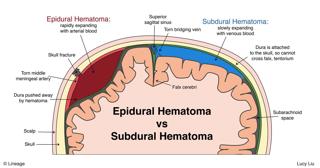
Podcast #278: Subdural Hematomas

Podcast #278: Subdural Hematomas

Educational Pearls Subdural hematomas can happen in the elderly because of brain atrophy, and can manifest with neurological deficit. Subdural hematomas are caused by rupture of the bridging veins of...

6 Joulu 20172min
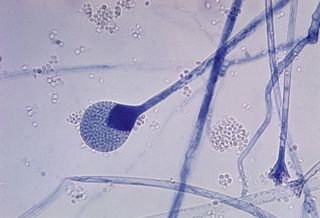
Podcast #277: Mucor

Podcast #277: Mucor

Author: Don Stader, M.D. Educational Pearls Mucor/Rhizopus fungal infections usually present in diabetic or immunocompromised patients as a black, necrotic lesion on the face. The fungus invades the ...

4 Joulu 20172min
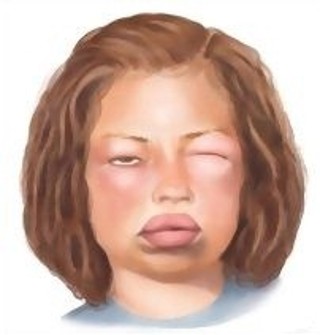
Podcast #276: Angioedema

Podcast #276: Angioedema

Author: John Winkler, M.D. Educational Pearls Angioedema is immediately life-threatening due to airway obstruction. Mechanisms include allergic reaction (histamine-related) or bradykinin-related (ACE...

1 Joulu 20173min
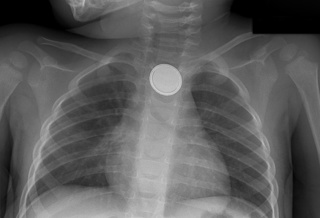
Podcast #275: Battery Ingestions

Podcast #275: Battery Ingestions

Author: Nick Hatch, M.D. Educational Pearls Unlike coin ingestions, button batteries can cause necrosis of the GI tract. If lodged in the esophagus, removal within 2 hours is important, because they ...

29 Marras 20174min

Podcast #274: Pediatric Sedation

Podcast #274: Pediatric Sedation

Author: Aaron Lessen, M.D. Educational Pearls A recent prospective observational study was performed to examine the safety of different sedation medications in the pediatric ED. This study included 6...

27 Marras 20172min
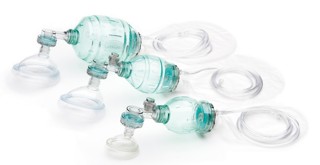
Podcast #273:  Bag Valve Masks

Podcast #273: Bag Valve Masks

Author: Sam Killian, M.D. Educational Pearls Difficulty with bag valve mask (BVM) ventilation can be addressed using the MOANS mnemonic. Mask seal, Obesity/obstruction, Age, No teeth, Sleep apnea. O...

17 Marras 20173min

Podcast #272: More on Temperature in Sepsis

Podcast #272: More on Temperature in Sepsis

Author: David Rosenberg, M.D. Educational Pearls A study of 20,000 subjects found that reducing fever in sepsis did not improve outcomes such as morbidity, mortality, or length of stay. However, corr...

16 Marras 20172min

Suosittua kategoriassa Tiede

tiedekulma-podcast
rss-mita-tulisi-tietaa
rss-poliisin-mieli
docemilia
rss-duodecim-lehti
rss-luontopodi-samuel-glassar-tutkii-luonnon-ihmeita
utelias-mieli
rss-astetta-parempi-elama-podcast
filocast-filosofian-perusteet
rss-lapsuuden-rakentajat-podcast
rss-sosiopodi











