Podcast 914: Neuroleptic Malignant Syndrome (NMS)

Podcast 914: Neuroleptic Malignant Syndrome (NMS)

Contributor: Taylor Lynch, MD

Educational Pearls:

What is NMS?

  • Neuroleptic Malignant Syndrome

  • Caused by anti-dopamine medication or rapid withdrawal of pro-dopamenergic medications

  • Mechanism is poorly understood

  • Life threatening

What medications can cause it?

  • Typical antipsychotics

    • Haloperidol, chlorpromazine, prochlorperazine, fluphenazine, trifluoperazine

  • Atypical antipsychotics

    • Less risk

    • Risperidone, clozapine, quetiapine, olanzapine, aripiprazole, ziprasidone

  • Anti-emetic agents with anti dopamine activity

    • Metoclopramide, promethazine, haloperidol

    • Not ondansetron

  • Abrupt withdrawal of levodopa

How does it present?

  • Slowly over 1-3 days (unlike serotonin syndrome which has a more acute onset)

  • Altered mental status, 82% of patients, typically agitated delirium with confusion

  • Peripheral muscle rigidity and decreased reflexes. AKA lead pipe rigidity. (As opposed to clonus and hyperreflexia in serotonin syndrome)

  • Hyperthermia (>38C seen in 87% of patients)

  • Can also have tachycardia, labile blood pressures, tachypnea, and tremor

How is it diagnosed?

  • Clinical diagnosis, focus on the timing of symptoms

  • No confirmatory lab test but can see possible elevated CK levels and WBC of 10-40k with a left shift

What else might be on the differential?

  • Sepsis

  • CNS infections

  • Heat stroke

  • Agitated delirium

  • Status eptilepticus

  • Drug induced extrapyramidal symptoms

  • Serotonin syndrome

  • Malignant hyperthermia

What is the treatment?

  • Start with ABC's

  • Stop all anti-dopaminergic meds and restart pro-dopamine meds if recently stopped

  • Maintain urine output with IV fluids if needed to avoid rhabdomyolysis

  • Active or passive cooling if needed

  • Benzodiazapines, such as lorazepam 1-2 mg IV q 4hrs

What are active medical therapies?

  • Controversial treatments

  • Bromocriptine, dopamine agonist

  • Dantrolene, classically used for malignant hyperthermia

  • Amantadine, increases dopamine release

  • Use as a last resort

Dispo?

  • Mortality is around 10% if not recognized and treated

  • Most patients recover in 2-14 days

  • Must wait 2 weeks before restarting any medications

References

  • Oruch, R., Pryme, I. F., Engelsen, B. A., & Lund, A. (2017). Neuroleptic malignant syndrome: an easily overlooked neurologic emergency. Neuropsychiatric disease and treatment, 13, 161–175. https://doi.org/10.2147/NDT.S118438

  • Tormoehlen, L. M., & Rusyniak, D. E. (2018). Neuroleptic malignant syndrome and serotonin syndrome. Handbook of clinical neurology, 157, 663–675. https://doi.org/10.1016/B978-0-444-64074-1.00039-2

  • Velamoor, V. R., Norman, R. M., Caroff, S. N., Mann, S. C., Sullivan, K. A., & Antelo, R. E. (1994). Progression of symptoms in neuroleptic malignant syndrome. The Journal of nervous and mental disease, 182(3), 168–173. https://doi.org/10.1097/00005053-199403000-00007

  • Ware, M. R., Feller, D. B., & Hall, K. L. (2018). Neuroleptic Malignant Syndrome: Diagnosis and Management. The primary care companion for CNS disorders, 20(1), 17r02185. https://doi.org/10.4088/PCC.17r02185

Summarized by Jeffrey Olson MS2 | Edited by Meg Joyce & Jorge Chalit, OMSIII

Jaksot(1145)

Podcast 746: Elderly Head Trauma on Anticoagulation

Podcast 746: Elderly Head Trauma on Anticoagulation

Contributor: Aaron Lessen, MD Educational Pearls: Biggest study to date examined new protocol for repeat head CT in anticoagulated elderly patients with head trauma and an initial negative head CT ...

11 Tammi 20223min
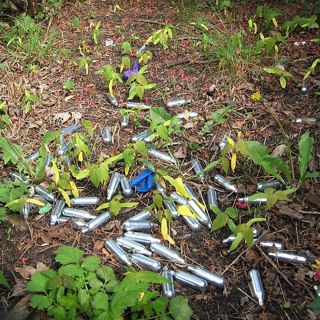
Podcast 745: Nitrous-Induced B12 Deficiency

Podcast 745: Nitrous-Induced B12 Deficiency

Contributor: Alicia Oberle, MD Educational Pearls: Nitrous oxide (N2O) can cause a vitamin B12 deficiency in patients after regular use N2O is used in procedural sedation but also as a popular recrea...

10 Tammi 20222min

Podcast 744: Glucagon for Beta Blocker Toxicity

Podcast 744: Glucagon for Beta Blocker Toxicity

Educational Pearls: Glucagon can be used to treat hypoglycemia and esophageal foreign body, but it can also be used in beta-blocker toxicity to bypass cardiac beta-blockade The superior option for tr...

4 Tammi 20222min

Podcast 743: Rust Rings

Podcast 743: Rust Rings

Contributor: Jared Scott, MD Educational Pearls: A rust ring can occur after a metallic foreign body is left in the eye for a prolonged period of time Issues occur when the rust ring is left as it ca...

3 Tammi 20225min

Podcast 742: Pulse Check During CPR

Podcast 742: Pulse Check During CPR

Contributor: Aaron Lessen, MD Educational Pearls: Pulse checks are necessary during CPR to check for return of spontaneous circulation (ROSC) Previous studies have shown that assessing ROSC with palp...

29 Joulu 20213min

Podcast 741: Calcium for Cardiac Arrest

Podcast 741: Calcium for Cardiac Arrest

Contributor: Aaron Lessen, MD Educational Pearls: Study of nearly 400 patients evaluating giving calcium during cardiac arrest with the endpoint as return of spontaneous circulation (ROSC) Compared g...

28 Joulu 20212min
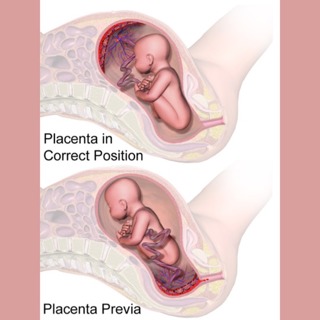
Podcast 740: Placenta Previa

Podcast 740: Placenta Previa

Contributor: Peter Bakes, MD Educational Pearls: High concern causes of third trimester vaginal bleeding include placenta previa, placental abruption, or vasa previa In placenta previa, the placenta ...

21 Joulu 20213min

Podcast 739: Perceptions of Dress

Podcast 739: Perceptions of Dress

Contributor: Aaron Lessen, MD Educational Pearls: Study examined patient perceptions of providers wearing traditional white coats,  fleece coats and soft-shell jackets Found that white coats were see...

20 Joulu 20213min

Suosittua kategoriassa Tiede

tiedekulma-podcast
rss-mita-tulisi-tietaa
rss-poliisin-mieli
docemilia
rss-duodecim-lehti
utelias-mieli
radio-antro
filocast-filosofian-perusteet
rss-laakaripodi
rss-sosiopodi
ihanat-ipanat
sotataidon-ytimessa
mielipaivakirja
rss-bios-podcast
rss-radplus
rss-opeklubi
rss-lihavuudesta-podcast