Podcast 914: Neuroleptic Malignant Syndrome (NMS)

Podcast 914: Neuroleptic Malignant Syndrome (NMS)

Contributor: Taylor Lynch, MD

Educational Pearls:

What is NMS?

  • Neuroleptic Malignant Syndrome

  • Caused by anti-dopamine medication or rapid withdrawal of pro-dopamenergic medications

  • Mechanism is poorly understood

  • Life threatening

What medications can cause it?

  • Typical antipsychotics

    • Haloperidol, chlorpromazine, prochlorperazine, fluphenazine, trifluoperazine

  • Atypical antipsychotics

    • Less risk

    • Risperidone, clozapine, quetiapine, olanzapine, aripiprazole, ziprasidone

  • Anti-emetic agents with anti dopamine activity

    • Metoclopramide, promethazine, haloperidol

    • Not ondansetron

  • Abrupt withdrawal of levodopa

How does it present?

  • Slowly over 1-3 days (unlike serotonin syndrome which has a more acute onset)

  • Altered mental status, 82% of patients, typically agitated delirium with confusion

  • Peripheral muscle rigidity and decreased reflexes. AKA lead pipe rigidity. (As opposed to clonus and hyperreflexia in serotonin syndrome)

  • Hyperthermia (>38C seen in 87% of patients)

  • Can also have tachycardia, labile blood pressures, tachypnea, and tremor

How is it diagnosed?

  • Clinical diagnosis, focus on the timing of symptoms

  • No confirmatory lab test but can see possible elevated CK levels and WBC of 10-40k with a left shift

What else might be on the differential?

  • Sepsis

  • CNS infections

  • Heat stroke

  • Agitated delirium

  • Status eptilepticus

  • Drug induced extrapyramidal symptoms

  • Serotonin syndrome

  • Malignant hyperthermia

What is the treatment?

  • Start with ABC's

  • Stop all anti-dopaminergic meds and restart pro-dopamine meds if recently stopped

  • Maintain urine output with IV fluids if needed to avoid rhabdomyolysis

  • Active or passive cooling if needed

  • Benzodiazapines, such as lorazepam 1-2 mg IV q 4hrs

What are active medical therapies?

  • Controversial treatments

  • Bromocriptine, dopamine agonist

  • Dantrolene, classically used for malignant hyperthermia

  • Amantadine, increases dopamine release

  • Use as a last resort

Dispo?

  • Mortality is around 10% if not recognized and treated

  • Most patients recover in 2-14 days

  • Must wait 2 weeks before restarting any medications

References

  • Oruch, R., Pryme, I. F., Engelsen, B. A., & Lund, A. (2017). Neuroleptic malignant syndrome: an easily overlooked neurologic emergency. Neuropsychiatric disease and treatment, 13, 161–175. https://doi.org/10.2147/NDT.S118438

  • Tormoehlen, L. M., & Rusyniak, D. E. (2018). Neuroleptic malignant syndrome and serotonin syndrome. Handbook of clinical neurology, 157, 663–675. https://doi.org/10.1016/B978-0-444-64074-1.00039-2

  • Velamoor, V. R., Norman, R. M., Caroff, S. N., Mann, S. C., Sullivan, K. A., & Antelo, R. E. (1994). Progression of symptoms in neuroleptic malignant syndrome. The Journal of nervous and mental disease, 182(3), 168–173. https://doi.org/10.1097/00005053-199403000-00007

  • Ware, M. R., Feller, D. B., & Hall, K. L. (2018). Neuroleptic Malignant Syndrome: Diagnosis and Management. The primary care companion for CNS disorders, 20(1), 17r02185. https://doi.org/10.4088/PCC.17r02185

Summarized by Jeffrey Olson MS2 | Edited by Meg Joyce & Jorge Chalit, OMSIII

Jaksot(1147)

Podcast 539:  Coricidin Abuse

Podcast 539: Coricidin Abuse

Contributor:  Rachel Beham, PharmD Educational Pearls: Coricidin HBP Cough & Cold (dextromethorphan and chlorpheniramine) is one of the more commonly abused over-the-counter medications Dextromethorp...

10 Helmi 20203min

Podcast 538:  Low Maintenance Boxer's Fracture

Podcast 538: Low Maintenance Boxer's Fracture

Contributor: Jared Scott, MD Educational Pearls: A distal 5th metacarpal neck fracture is often referred to as a "boxer's fracture" and a common fracture encountered in the emergency department Splin...

4 Helmi 20202min

Podcast 537:  Thoughts on Cardiac Arrest

Podcast 537: Thoughts on Cardiac Arrest

Contributor:  Don Stader, MD Educational Pearls: High-quality compressions are an essential, and probably one of the most important, part of cardiac arrest  Actual evidence for drugs in cardiac arres...

3 Helmi 20205min

UnfilterED #4: Dr. Vivek Tayal

UnfilterED #4: Dr. Vivek Tayal

Dr. Vivek Tayal of Carolinas Medical Center, a pioneer of using ultrasound in the emergency department, reflects on his role in establishing ultrasound use in emergency medicine and much more! Ultra...

29 Tammi 202045min
Podcast 536:  Epistaxis 101

Podcast 536: Epistaxis 101

Contributor:  Dylan Luyten, MD Educational Pearls: Clear the nasal passages - have the patient, if stable, blow their nose to dislodge any clot that might be in the way Searching for the source of bl...

28 Tammi 20208min
Podcast 535: A Prescription for Falls

Podcast 535: A Prescription for Falls

Contributor: Aaron Lessen, MD Educational Pearls: Emergency department evaluation of falls, particularly in the elderly, should include an assessment of risk factors Common causes of falls in th...

28 Tammi 20202min
Mental Health Monthly #1: Decision Making Capacity

Mental Health Monthly #1: Decision Making Capacity

In the first episode of this new series, the complexities of decision making capacity are discussed. References and Further Reading: [1] Appelbaum, P. S. (2007). Assessment of patients' competence to...

22 Tammi 202010min
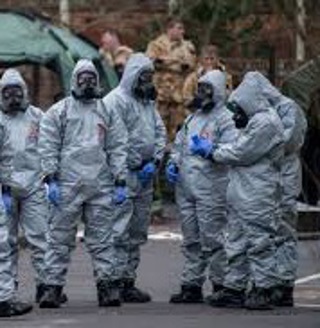
Podcast 534: Nerve Agents

Podcast 534: Nerve Agents

Author: Michael Hunt, MD Educational Pearls: Organophosphate "nerve agents" were developed in the 1930's These agents have cholinergic effects, which can be remembered by the mnemonic "SLUDGE" Sali...

21 Tammi 20205min

Suosittua kategoriassa Tiede

rss-poliisin-mieli
rss-mita-tulisi-tietaa
tiedekulma-podcast
docemilia
rss-luontopodi-samuel-glassar-tutkii-luonnon-ihmeita
rss-duodecim-lehti
radio-antro
utelias-mieli
filocast-filosofian-perusteet
rss-lapsuuden-rakentajat-podcast
rss-lihavuudesta-podcast
rss-sosiopodi