Episode 915: Severe Burn Injuries

Episode 915: Severe Burn Injuries

Contributor: Megan Hurley, MD

Educational Pearls:

  • Initial assessment of patients with severe burn injuries begins with ABCs

    • Airway: consider inhalation injury

    • Breathing: circumferential burns of the trunk region can reduce respiratory muscle movement

    • Circulation: circumferential burns compromise circulation

    • Exposure: Important to assess the affected surface area

  • Escharotomy: emergency procedure to release the tourniquet-ing effects of the eschar

    • Differs from a fasciotomy in that it does not breach the deep fascial layer

  • PEEP = positive end-expiratory pressure

    • The positive pressure remaining in the airway after exhalation

    • Keeps airway pressure higher than atmospheric pressure

  • Common formulas for initial fluid rate in burn shock resuscitation

    • Parkland formula: 4 mL/kg body weight/% TBSA burns (lactated Ringer's solution)

    • Modified Brooke formula: 2 mL/kg/% (also lactated Ringer's solution)

      • Less fluid = lower risk of intra-abdominal compartment syndrome

  • Lactated Ringer's solution is preferred over normal saline in burn injuries

    • Normal saline is avoided in large quantities due to the possibility of it leading to hyperchloremic acidosis

References

  1. Acosta P, Santisbon E, Varon J. "The Use of Positive End-Expiratory Pressure in Mechanical Ventilation." Critical Care Clinics. 2007;23(2):251-261. doi:10.1016/j.ccc.2006.12.012

  2. Orgill DP, Piccolo N. Escharotomy and decompressive therapies in burns. J Burn Care Res. 2009;30(5):759-768. doi:10.1097/BCR.0b013e3181b47cd3

  3. Snell JA, Loh NH, Mahambrey T, Shokrollahi K. Clinical review: the critical care management of the burn patient. Crit Care. 2013;17(5):241. Published 2013 Oct 7. doi:10.1186/cc12706

Summarized by Meg Joyce, MS1 | Edited by Meg Joyce & Jorge Chalit

Donate: https://emergencymedicalminute.org/donate/

Jaksot(1145)

Podcast #270: Wound Botulism

Podcast #270: Wound Botulism

Author: Don Stader, M.D. Educational Pearls Wound botulism should be considered in patients with cutaneous lesions and neuromuscular weakness. The toxin produced by clostridium botulinum is the c...

10 Marras 20173min

Podcast #269: Tattoo Ink Complications

Podcast #269: Tattoo Ink Complications

Author: Michael Hunt, M.D. Educational Pearls Tattoo ink is applied below the skin, and because of this, they can lead to keloids, granulomas, tetanus, hepatitis B and C, and skin infections. Tattoo...

8 Marras 20174min
Podcast #268: Poiseuille's Law

Podcast #268: Poiseuille's Law

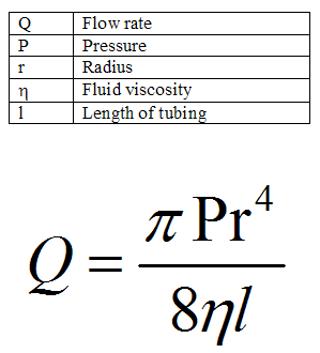
Author: Dave Rosenberg, M.D. Educational Pearls Poiseuille's Law addresses the flow of a fluid through a tube. Many common ED presentations involve alterations in flow: asthma, MI, ischemic stroke, ...

6 Marras 20176min

Podcast #267: Causes of Very High Lactate

Podcast #267: Causes of Very High Lactate

Author: Dylan Luyten, M.D. Educational Pearls Lactate is a byproduct of anaerobic metabolism, a sign of dying tissue. Dangerous causes of high lactates will not normalize with repeat labs. Crush inju...

3 Marras 20173min
Podcast #266: MI in Young Patients

Podcast #266: MI in Young Patients

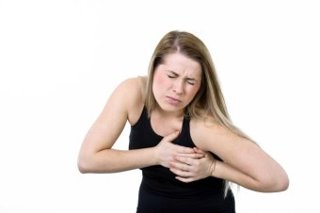
Author: John Winkler, M.D. Educational Pearls Some risk factors for MI in the young are history of CAD, stimulant drug use, coronary spasm and diabetes. In those with diffuse ST elevations on EKG, th...

1 Marras 20171min
Podcast #265: The 2017 Flu Vaccine

Podcast #265: The 2017 Flu Vaccine

Author: Rachel Beham, PharmD, Advanced Clinical Pharmacist - Emergency Medicine Educational Pearls CDC recommends using the inactivated, injectable flu vaccine in those 6 months and older. The live a...

30 Loka 20174min
Podcast #264: Witnessed Cardiac Arrest

Podcast #264: Witnessed Cardiac Arrest

Author: Aaron Lessen, M.D. Educational Pearls For patients with in-hospital cardiac arrest, intubation in the 1st 15 minutes of resuscitation was associated with worse outcomes (mortality, neurologic...

27 Loka 20172min

Podcast #263: Early Antibiotics in Sepsis

Podcast #263: Early Antibiotics in Sepsis

Educational Pearls After the first hour, every 1 hour delay in antibiotics in a patient with septic shock patient is associated with a 4% increase in mortality. In patients with high suspicion for se...

25 Loka 20172min

Suosittua kategoriassa Tiede

tiedekulma-podcast
rss-mita-tulisi-tietaa
rss-poliisin-mieli
docemilia
radio-antro
utelias-mieli
filocast-filosofian-perusteet
rss-sosiopodi
ihanat-ipanat
mielipaivakirja
rss-bios-podcast
rss-duodecim-lehti
rss-ammamafia
rss-laakaripodi
rss-opeklubi