Episode 915: Severe Burn Injuries

Episode 915: Severe Burn Injuries

Contributor: Megan Hurley, MD

Educational Pearls:

  • Initial assessment of patients with severe burn injuries begins with ABCs

    • Airway: consider inhalation injury

    • Breathing: circumferential burns of the trunk region can reduce respiratory muscle movement

    • Circulation: circumferential burns compromise circulation

    • Exposure: Important to assess the affected surface area

  • Escharotomy: emergency procedure to release the tourniquet-ing effects of the eschar

    • Differs from a fasciotomy in that it does not breach the deep fascial layer

  • PEEP = positive end-expiratory pressure

    • The positive pressure remaining in the airway after exhalation

    • Keeps airway pressure higher than atmospheric pressure

  • Common formulas for initial fluid rate in burn shock resuscitation

    • Parkland formula: 4 mL/kg body weight/% TBSA burns (lactated Ringer's solution)

    • Modified Brooke formula: 2 mL/kg/% (also lactated Ringer's solution)

      • Less fluid = lower risk of intra-abdominal compartment syndrome

  • Lactated Ringer's solution is preferred over normal saline in burn injuries

    • Normal saline is avoided in large quantities due to the possibility of it leading to hyperchloremic acidosis

References

  1. Acosta P, Santisbon E, Varon J. "The Use of Positive End-Expiratory Pressure in Mechanical Ventilation." Critical Care Clinics. 2007;23(2):251-261. doi:10.1016/j.ccc.2006.12.012

  2. Orgill DP, Piccolo N. Escharotomy and decompressive therapies in burns. J Burn Care Res. 2009;30(5):759-768. doi:10.1097/BCR.0b013e3181b47cd3

  3. Snell JA, Loh NH, Mahambrey T, Shokrollahi K. Clinical review: the critical care management of the burn patient. Crit Care. 2013;17(5):241. Published 2013 Oct 7. doi:10.1186/cc12706

Summarized by Meg Joyce, MS1 | Edited by Meg Joyce & Jorge Chalit

Donate: https://emergencymedicalminute.org/donate/

Jaksot(1145)

Podcast #248: Family Presence During Resuscitation

Podcast #248: Family Presence During Resuscitation

Author: Aaron Lessen, M.D. Educational Pearls Traditionally the family is removed from the room during procedures and codes, but recent research shows that family presence may be beneficial. 50% pati...

8 Syys 20173min
Podcast #249: D-Dimer

Podcast #249: D-Dimer

Author: Michael Hunt, M.D. Educational Pearls In the recent YEARS study, investigators checked every patient with suspicion for PE with a D-dimer, using a modified Wells score for risk stratification...

6 Syys 20173min
Podcast #248: Patent Foramen Ovale

Podcast #248: Patent Foramen Ovale

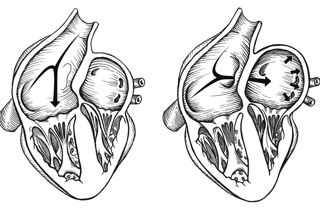
Author: Jared Scott, M.D. Educational Pearls The foramen ovale (FO) connects the left and right atria to allow oxygenated blood to bypass the developing lungs, it usually closes at birth but for some...

4 Syys 20173min

Podcast #247: Are You Listening? - 3 Ear Emergencies You Can't Miss!

Podcast #247: Are You Listening? - 3 Ear Emergencies You Can't Miss!

Author: Don Stader, M.D. Educational Pearls Ear pain is a common complaint in adults and kids. A red, hot, painful ear with involvement of the pinna could indicate perichondritis - an infection of th...

2 Syys 20176min
Podcast #246: Fever in Sepsis

Podcast #246: Fever in Sepsis

Author: Nick Hatch, M.D. Educational Pearls A recent observational cohort study found that the biggest predictor for sepsis survival was fever. Those with higher fevers had better outcomes. Some poss...

31 Elo 20172min
Podcast #245: Hypoglycemia

Podcast #245: Hypoglycemia

Author: Dylan Luyten, M.D. Educational Pearls Hypoglycemia is very common in type 2 diabetics, and is often caused by insulin overdose or missed meals. Knowing the peak time of action for common diab...

29 Elo 20174min
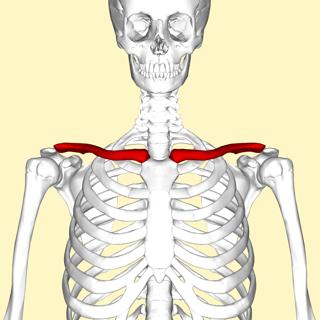
Podcast #244: Clavicle Fracture Review

Podcast #244: Clavicle Fracture Review

Author: Nick Hatch, M.D. Educational Pearls The force required to break a clavicle is significant, so clavicle fracture may be associated with other injury (pneumothorax, vascular injury). Most fract...

27 Elo 20172min
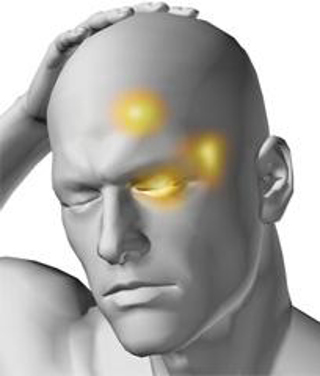
Podcast #243: Sphenopalatine Nerve Block

Podcast #243: Sphenopalatine Nerve Block

Author: Don Stader, M.D. Educational Pearls Cluster headaches are usually intense, unilateral, and involve the periorbital area. CN V (Trigeminal) provides sensory and autonomic innervation the face...

25 Elo 20174min

Suosittua kategoriassa Tiede

tiedekulma-podcast
rss-mita-tulisi-tietaa
rss-poliisin-mieli
docemilia
radio-antro
utelias-mieli
rss-sosiopodi
ihanat-ipanat
mielipaivakirja
filocast-filosofian-perusteet
rss-bios-podcast
rss-laakaripodi
rss-radplus
rss-opeklubi